What happened
Browserless spent recent months building an agentic browsing experience and published four core lessons learned: prioritize hosting as a managed service rather than local deployment; optimize for token efficiency by using text-based page representations before screenshots; equip agents with explicitly defined skills (CAPTCHA handling, MFA, tab management); and adopt mature, standardized protocols like MCP rather than building custom logic from scratch.
Why it matters
The agentic browsing landscape currently lacks standardization and consistency, forcing teams to reinvent basic components like retry mechanisms and session management. Browserless's approach suggests that focusing on these fundamentals—especially token cost and service-based architecture—may become industry norms once the current hype settles. Their hybrid token strategy (text first, screenshots only when needed) achieved 1.5k tokens versus Browser Harness's 3.8k tokens on the same task, demonstrating material efficiency gains.
What to watch
Browserless's bet is that MCP and skills-based architecture will become the prevailing standard, much as HTTP and browsers emerged from the DotCom era. The company is betting on managed agentic browsing as a plug-and-play feature (similar to how Anthropic, OpenAI, and Google are already offering managed agents), rather than tools developers must host locally.
Ask the AI about this article →
For example, today's edition would include:
AI-summarized, only the topics you pick — one digest a day via Email, Slack, or Discord.
Free · takes 30 seconds · unsubscribe anytimeWhat is AIToday? →
Ask AI anything about this article. Q&As are published on this page for other readers too.
CBTS Technology Solutions LLC launched Forge Agents, a platform that turns a plain-language job description in…

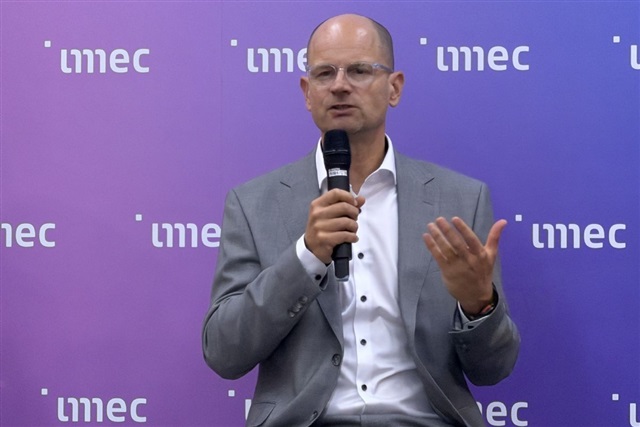
Imec CEO Patrick Vandenameele said at SEMICON Taiwan 2026 that the Belgian research center is broadening its c…
Alphabet's AI Overviews now reach over 2.5 billion monthly users through Google Search, and its ad business ge…
Amazon Web Services (AWS) has integrated its fully managed data warehouse service, Amazon Redshift, with Agent…
Visual Studio Code 1.135 now includes an experimental 'Rubber Duck' feature that lets developers request a sec…
Sonos announced a new app update with generative AI features, a new soundbar called the Beam Ultra, and its se…