
What happened
After years of broadly deploying AI tools, tech leaders at companies like Samsara, Docusign, Yum Brands, and Cigna are now capping AI usage, optimizing token consumption, and steering staff toward smaller, cheaper models. Samsara capped usage for non-technical employees while giving R&D more room; Docusign reduced token usage by almost 50% by narrowing the context AI agents pull; Yum found that perhaps as high as 95% of tasks can be handled by basic, less expensive models; and Cigna authorized more than 70 different AI models and kept spending growth below compute growth.
Why it matters
Global AI spending is projected to reach $2.5 trillion this year, a 44% increase from prior-year levels, yet some companies' 2026 budgets have exceeded expectations without delivering corresponding business value. Gartner warned that AI coding costs could overtake the average developer's salary by 2028 due to rising token consumption and consumption-based fees. CIOs describe 2026 as the year companies are discovering that AI implementation is hard, costly, and requires careful management—not a free lunch.
What to watch
How quickly companies move away from the "Big Three" (Anthropic, OpenAI, and Google) toward open-weight and cheaper alternatives. Meta this week debuted Muse Glimmer, an open-weight model that runs locally on laptops, as CEO Mark Zuckerberg argued for more open AI to counter control by a few companies. The industry shift toward guardrails and multimodel strategies may reshape vendor relationships and AI spending patterns.
Summaries like this, in your inbox every morning.
The AI spending surge that began in 2023 has collided with financial reality in 2026. While CIOs and CTOs spent years championing AI adoption—launching hackathons, deploying tools like Claude, Gemini, and ChatGPT across their workforces—the actual cost of running these systems at scale has forced a reckoning. Global AI spending is on track to hit $2.5 trillion this year, a 44% jump, yet the body makes clear that many companies' actual 2026 budgets exceeded initial projections without proportional gains in productivity or revenue. This gap between hype and execution is driving the shift.
The common thread across tech leaders' responses is pragmatic optimization rather than retreat. At Docusign, for example, CTO Sagnik Nandy discovered that AI coding agents were consuming enormous token counts because they were pulling the entire code base for context before executing tasks. By narrowing this to only relevant context, token usage fell by almost 50%—the same outcome, far lower cost. Similarly, Cigna's strategy of authorizing 70 different models, including smaller and earlier versions, allows the workforce to pick the right tool for the task rather than always defaulting to expensive frontier models. Yum Brands' finding that 95% of tasks can be handled by cheaper models suggests that much of the early AI deployment was overspecified—using the most advanced (and expensive) models for routine work. This aligns with Gartner's warning that AI coding costs could overtake average developer salaries by 2028 if consumption-based fees continue to rise unchecked.
The broader implication is that 2026 marks a transition from AI-as-experiment to AI-as-managed-resource. Will Sommer, Gartner's quantitative modeling expert, captured the shift in tone: "2026 is the year of everyone finding out that AI is actually really hard. It's not a free lunch. It requires a lot of thought and effort to get right." CIOs are now treating AI budgets with the same scrutiny they apply to headcount and capital spending, training staff to understand model tradeoffs, and establishing guardrails—a far cry from the hackathon-and-access-for-all era of 2023–2025.
Pick your industry and the AI tools you use, and get news related to your work every day.
Free · 30 seconds with Google · unsubscribe anytimeWhat is AIToday? →
Ask AI anything about this article. The AI reads this article, earlier AIToday articles, and Wikipedia, and cites its sources. Q&As are published on this page for other readers too.
In Q2, billionaires or their funds sold six 'Magnificent Seven' AI stocks
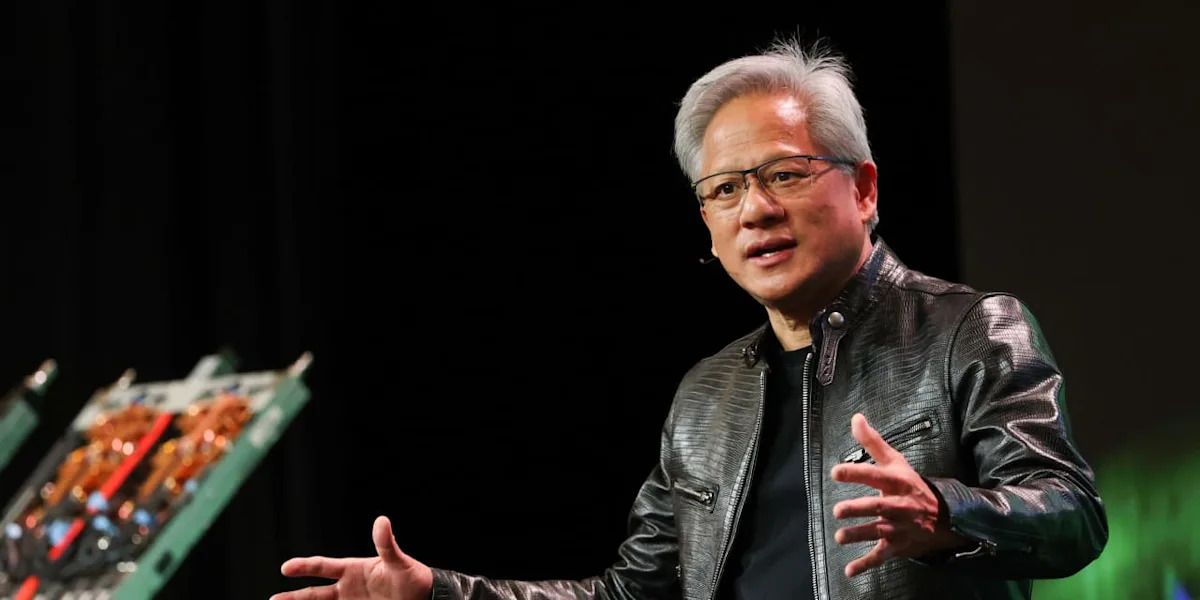
Nvidia was rising early Friday, even as the wider chip sector kept falling, Barron's reported
ElevenLabs completed a $300 million employee tender at a $22 billion valuation, and co-founder Mati Staniszews…

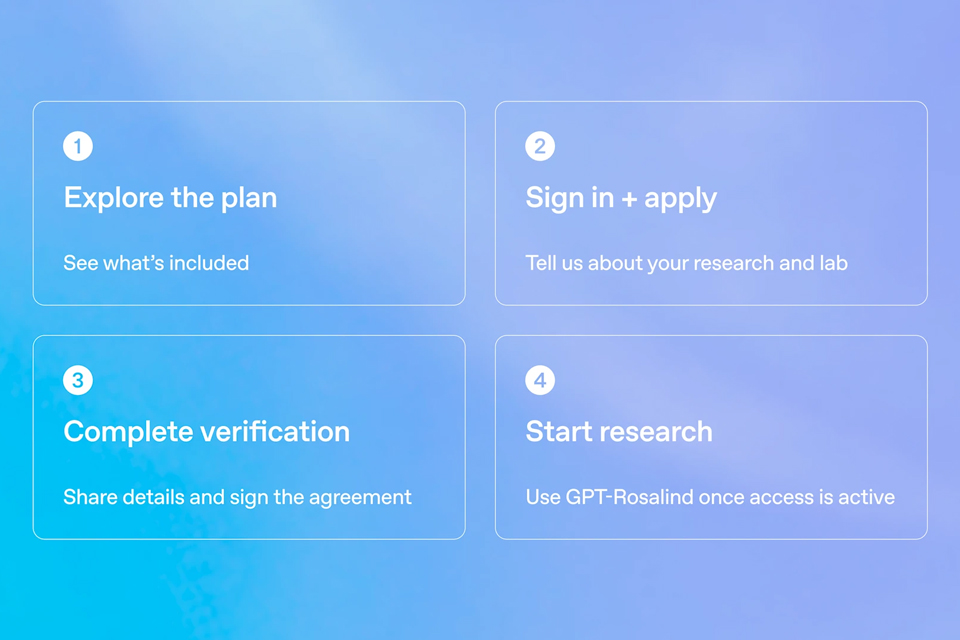
On October 15, OpenAI announced the Rosalind Academic Plan, giving approved US university labs free access to…
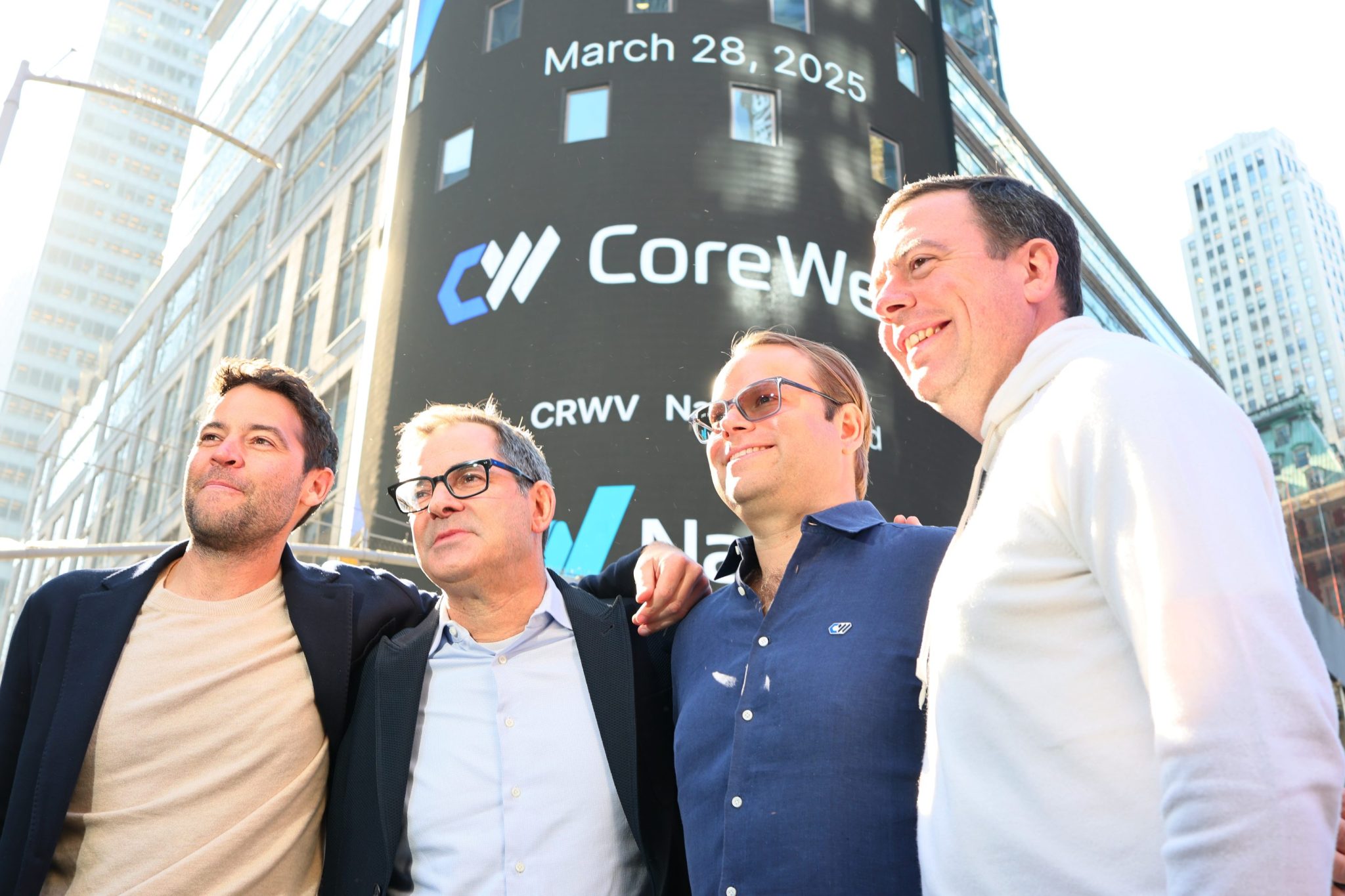
Neostellar Capital principal Evan Schlossman said CoreWeave's $103.7 billion in remaining performance obligati…
A Qiita article compared automated red-teaming methods for LLM apps — GCG, PAIR, and TAP — using mock implemen…