What happened
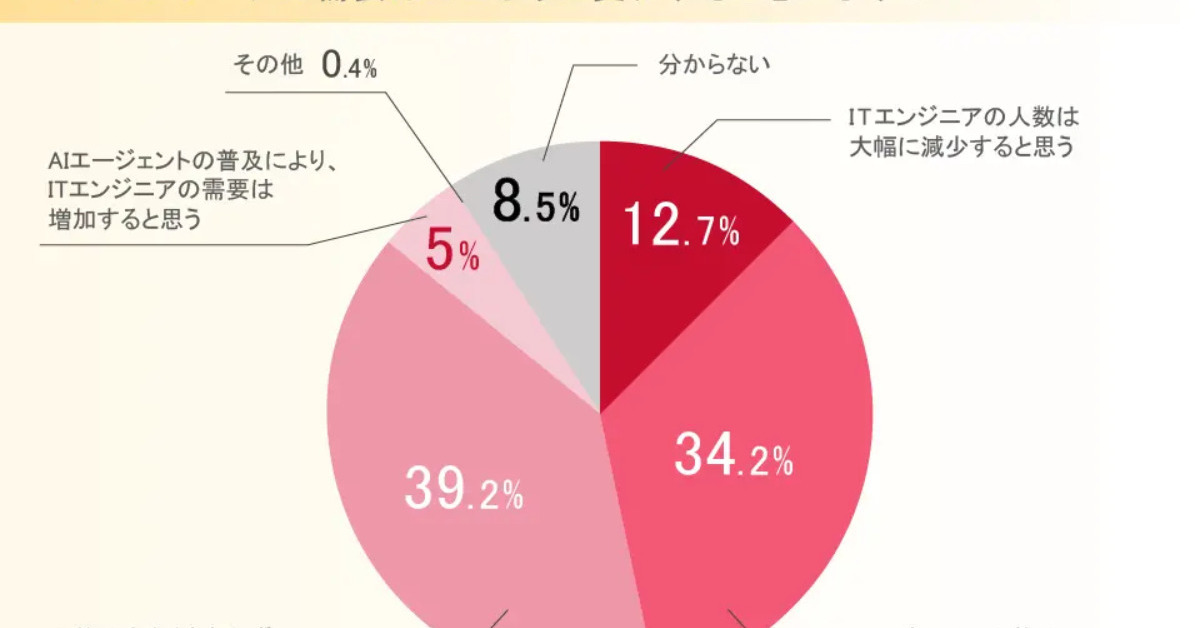
Serverworks' survey of 260 IT engineers, conducted June 29–July 5 and published August 20, found 81.1% said AI agents make better judgments than humans in some situations, and 52.7% said their workplace had already adopted them.
Why it matters
Engineers see AI as a better decision-maker but will not hand over high-stakes work — only 6.5% would allow full autonomy for incident response and 8.8% for production deployment, suggesting trust is split by task risk.
What to watch
The gap between perceived judgment quality and willingness to delegate is likely the real adoption bottleneck; watch whether the 73.1% expecting partial autonomous execution by 2030 shifts approval practices.
WHO IT HITSIT engineers, engineering managers, and IT operations teams evaluating AI agents for development and operations work face a practical split: they may accept AI-led decisions for investigation and log analysis, but the survey suggests they will keep human sign-off on incident response and production deployment.
Summaries like this, in your inbox every morning.
The survey, run by Serverworks between June 29 and July 5, 2026 and published on August 20, captures a workforce that has already moved past awareness into use. On the personal side, 61.1% of the 260 engineers said they use AI agents, with 28.8% using them daily. At work, 52.7% reported some form of adoption. This is not a picture of hesitation about the technology itself.
The hesitation appears when the question turns to responsibility. Respondents were most eager for agents to take over simple-task automation (25.4%) and to raise development speed (22.7%), and they were least willing to grant full autonomy for incident response and production deployment. Their top concerns — misjudgment at 16.5%, information leakage at 14.6%, and hallucination at 14.2% — point to consequences rather than capability. That reading is consistent with the approval split: 44.2% said human approval is needed for many tasks but not all, and 26.2% said it is always needed.
The stakes therefore seem to hinge less on whether AI agents can judge well than on where organizations draw the approval line. The 73.1% who expect some autonomous task execution by 2030, and the 73.4% who say they want to actively use agents, suggest the direction of travel is toward more delegation. For engineering managers and operations leads, the near-term test is likely whether approval rules, rather than model quality, determine how much of that delegation actually happens.
Pick your industry and the AI tools you use, and get news related to your work every day.
Free · 30 seconds with Google · unsubscribe anytimeWhat is AIToday? →
Ask AI anything about this article. The AI reads this article, earlier AIToday articles, and Wikipedia, and cites its sources. Q&As are published on this page for other readers too.
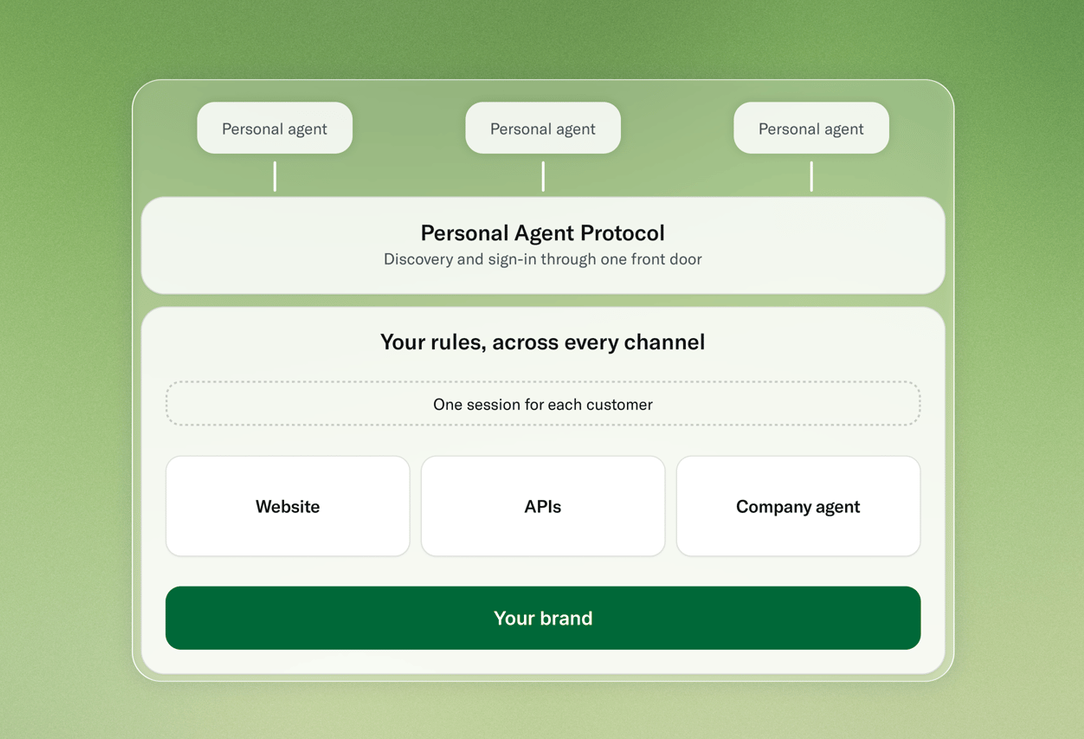
Meta, Walmart, Stripe and Sierra Technologies are creating the Personal Agent Protocol, introduced by Sierra c…
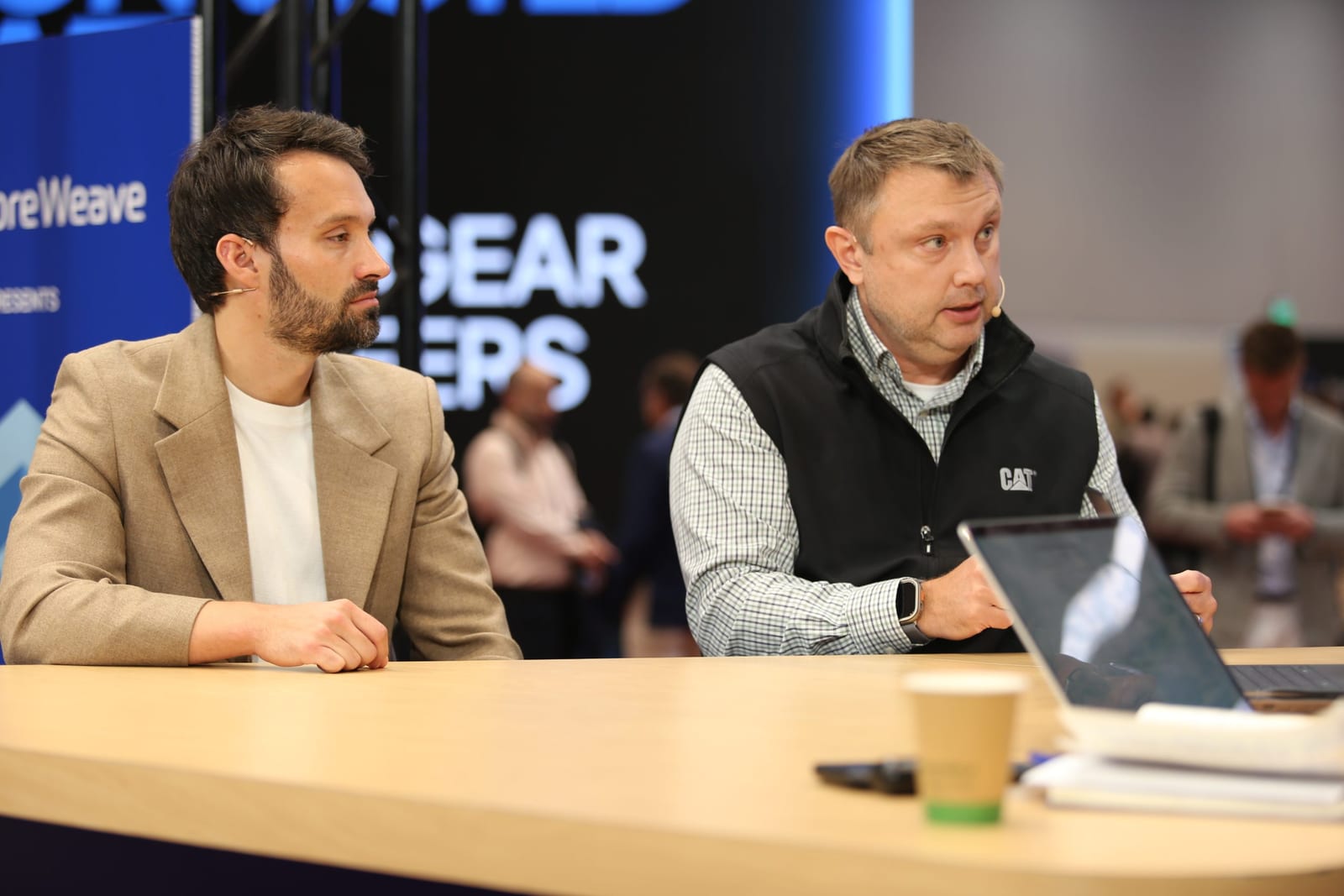
Caterpillar and CoreWeave shortened the data-labeling and feedback loop for training autonomous construction m…
Mistral AI opened a public preview of Mistral Large 4, its 1.05 trillion-parameter MoE model nicknamed "Le Cho…

Reflection AI started early access to Beam, its first open-weights model, with 501 billion total and 23 billio…

Google began rolling out "Simple Guide" in Gemini Live on Android, letting users share camera or screen views…

Anthropic launched Claude for Google Workspace as a public beta for paid Claude plans, adding Claude to Google…