The article argues that replacing aging industrial controllers (PLCs) wholesale is economically wasteful. A full system overhaul triggers hidden costs: production downtime lasting days or weeks, software rewriting, and staff retraining—often totaling far more than the new hardware's price tag. For mechanically sound machines meeting production targets, keeping legacy components and replacing only failed modules costs less and disrupts operations less.
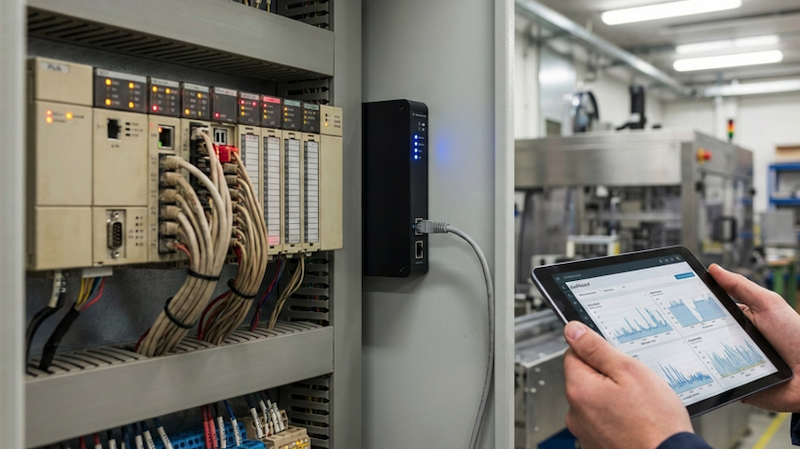
Rather than replacing old control systems, manufacturers can add modern connectivity without touching the core machinery. New 'edge gateways' plug into legacy serial ports and extract operational data, transmitting it to the cloud via standard protocols—allowing factories to gather analytics on machine performance and energy use while the original control logic keeps running safely and unchanged.
Factory managers who wait for a line failure to source replacement parts face days of lost production worth thousands to tens of thousands of dollars per hour in automotive or pharmaceutical plants. Proactive audits of equipment and stockpiling of spares from verified independent distributors (like ChipsGate) before failures occur prevents these costly emergencies.
Extending machinery life aligns financial prudence with sustainability: manufacturing electronics is resource-intensive, and premature discarding of functional systems contributes to global e-waste. Companies practicing this strategy participate in the circular economy while reducing capital spending—making it both a cost and corporate responsibility win.
Ask the AI about this article →
For example, today's edition would include:
AI-summarized, only the topics you pick — one digest a day via Email, Slack, or Discord.
Free · takes 30 seconds · unsubscribe anytimeWhat is AIToday? →
Ask AI anything about this article. Q&As are published on this page for other readers too.
Solomon Technology, a Taiwanese AI 3D vision company, is showcasing two key inspection applications at Semicon…

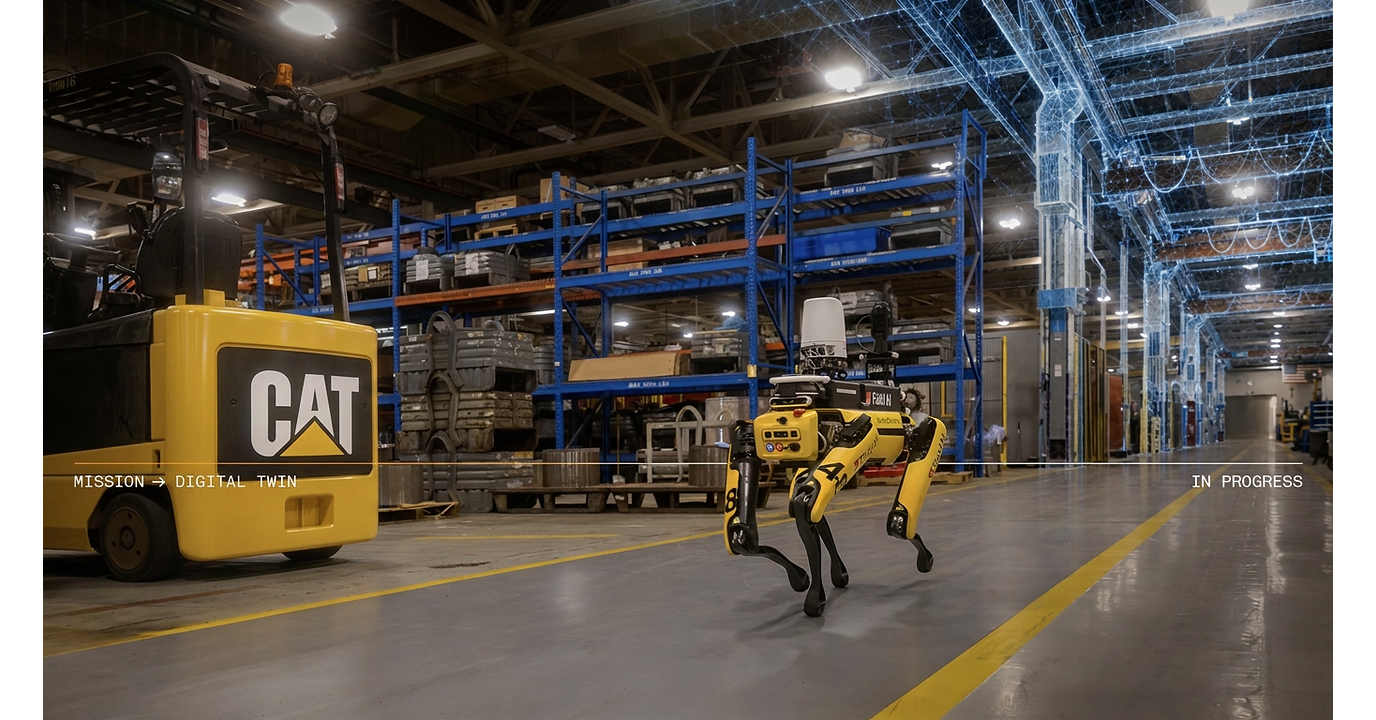
Caterpillar announced a collaboration with FieldAI to deploy physical AI, autonomy, robotics, and NVIDIA-power…

At Commercial UAV Expo in Las Vegas, FAA officials said routine BVLOS (beyond visual line of sight) drone oper…

Caterpillar is collaborating with FieldAI to advance physical AI, autonomy, and robotics for jobsites and fact…
Renesas Electronics announced it has opened a Physical AI & Robotics Lab in Beijing, China

AWS Japan held the final presentation event for its “Physical AI Development Support Program by AWS Japan,” an…