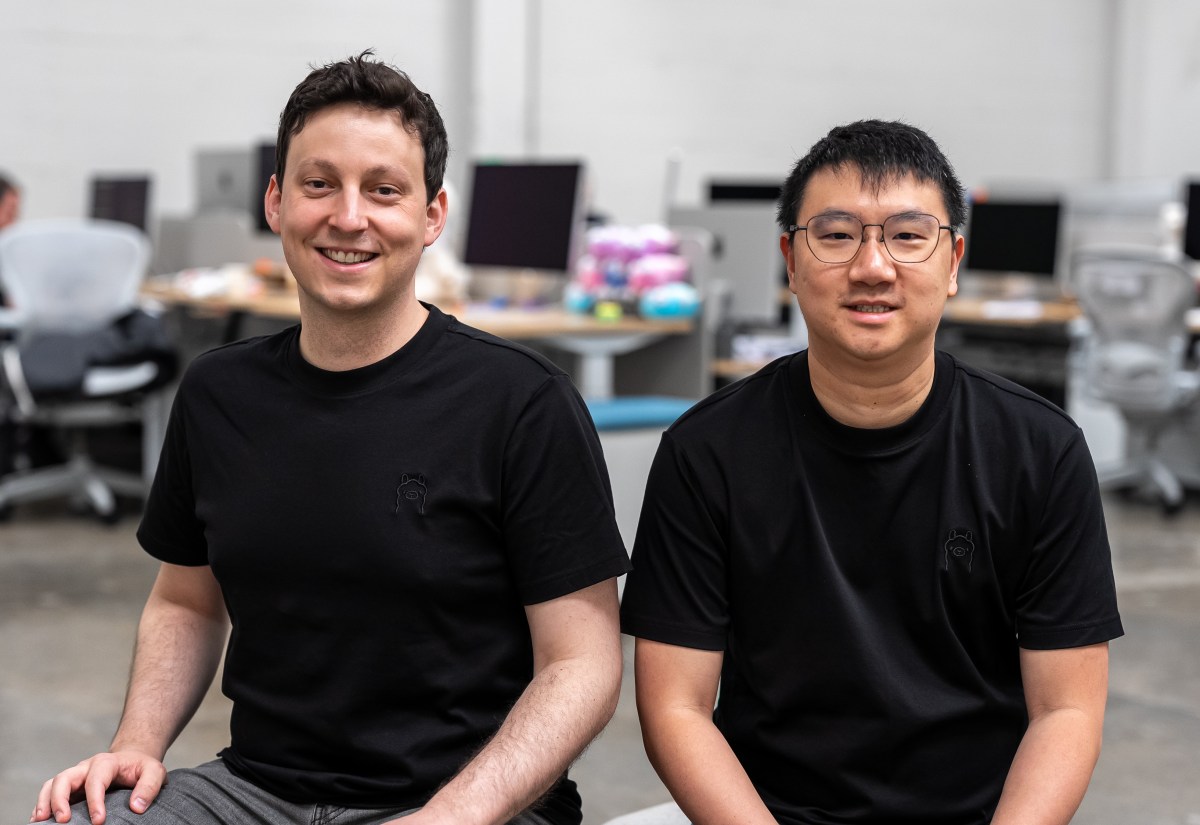
What happened
Ollama, an open source AI tool that helps developers run AI models on personal computers, raised $65 million(約100億円) in Series B funding led by Theory Ventures. The company has now raised $88 million(約140億円) total, bringing its monthly user base to over 8.9 million developers, with presence in 85% of the Fortune 500.
Why it matters
Ollama addresses a real business shift toward open-weight AI models as companies seek more affordable alternatives to closed models for everyday inference tasks. Founder Jeff Morgan credits a turning point around January when larger open models became capable of complex tasks like coding, prompting enterprises and startups to view open models as viable for daily work rather than just research.
What to watch
The company operates with only 14 employees and offers cloud services on subscription tiers ranging from free to $100/month, pricing by GPU time rather than token limits. Ollama's founders previously built Docker Desktop, which established their track record in creating developer tools that reach wide adoption.
Summaries like this, in your inbox every morning.
Ollama's $65 million(約100億円) Series B reflects a structural shift in how enterprises approach AI infrastructure. The company's founders bring credibility from their work on Docker Desktop, which helped developers abstract away cloud complexity—a pattern they are now repeating for AI model deployment. Morgan's observation that open models only recently became "able to do agentic tasks, like coding" suggests the turning point was product capability, not just cost awareness; enterprises were waiting for open models to prove themselves on real work before investing in migration.
The company's presence in 85% of the Fortune 500 with only 14 employees underscores the leverage of developer tools that solve a genuine friction point. Morgan frames the cloud service not as a pivot away from the free product but as an extension of its core mission: helping developers find and run models, whether on local machines or via cloud compute. Board member Peter Fenton's statement that "every company with high inference expenses" faces a "vital existential project" to move toward open models indicates investor conviction that this is not a niche preference but a broad structural need. The company's growth, however, has not been without friction; a year prior, some open source advocates criticized the cloud business as a form of "enshittification," a pattern where commercial interests dilute free projects. Ollama's response—maintaining the free desktop product unchanged—suggests the company is attempting to balance monetization with community trust, a challenge many open source companies face.
Pick your industry and the AI tools you use, and get news related to your work every day.
Free · 30 seconds with Google · unsubscribe anytimeWhat is AIToday? →
Ask AI anything about this article. The AI reads this article, earlier AIToday articles, and Wikipedia, and cites its sources. Q&As are published on this page for other readers too.
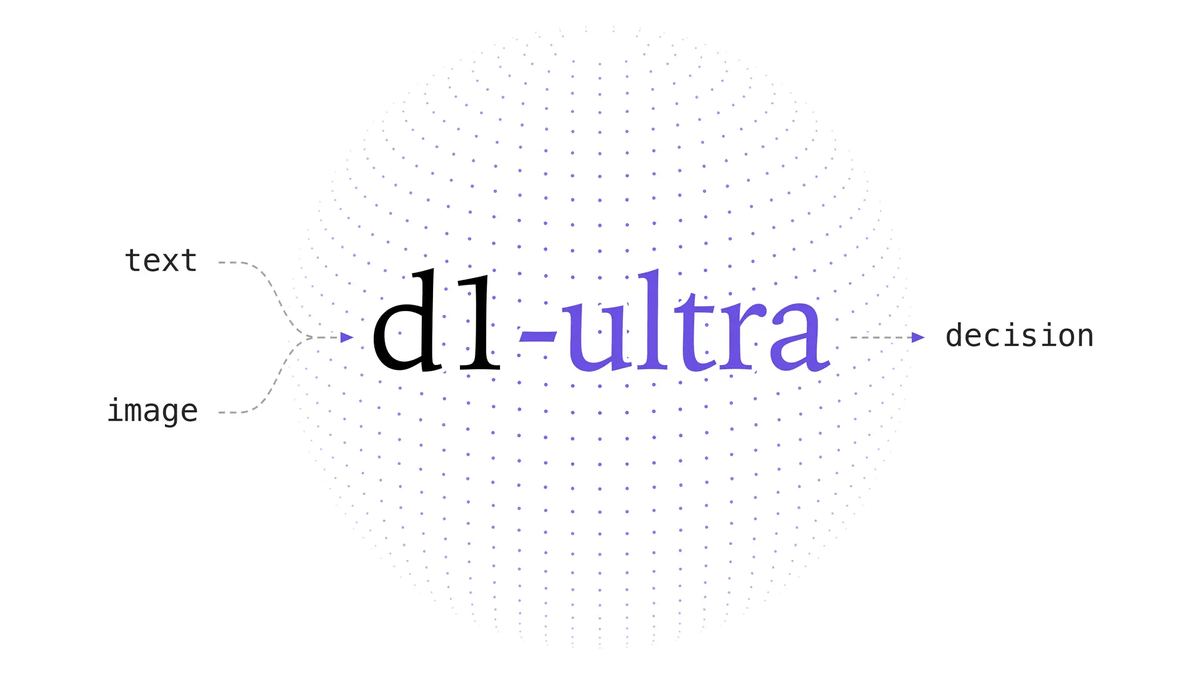
Liquid AI released d1-ultra on October 15, 2026, an upgraded open-weights decision model that averaged 76.7 ac…
NVIDIA released Nemotron 3.5 Super VL, an open-weight model with 120 billion parameters that handles text, ima…

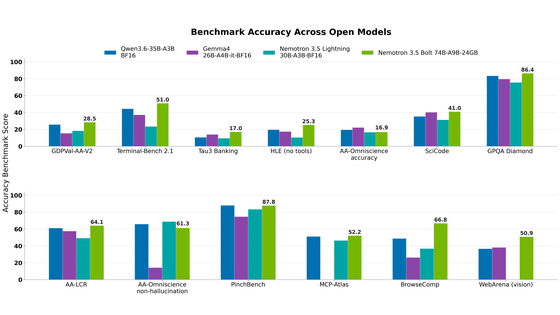
NVIDIA released Nemotron 3.5 Bolt 74B-A9B 24GB, an AI model for local agents that hits over 80 tokens per seco…
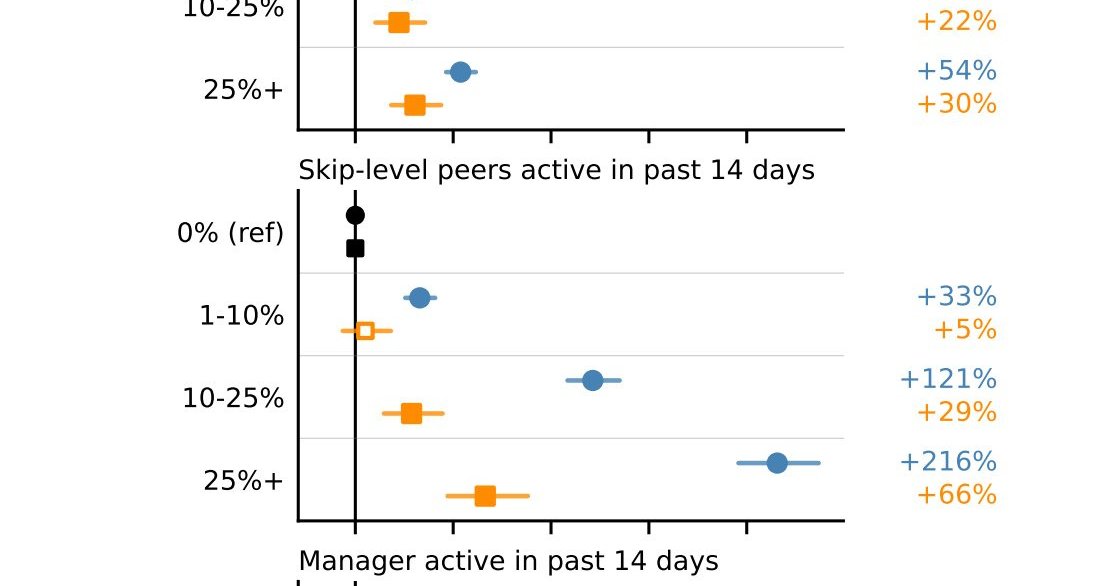
Researchers at Microsoft published a paper titled "Adoption and Impact of Command-Line AI Coding Agents: A Stu…
Black Forest Labs released FLUX 3 Image Klein as open weights on October 15, 2026 — a 5.6B-parameter model for…

Meta released Muse Spark Open, a 816B-parameter open-weight model (42B active via Mixture of Experts) that han…