
OpenAI has received clearance to publicly release GPT-5.6, its newest model, and launched ChatGPT Work, an AI agent designed to help non-technical users automate tasks across apps and documents.
The move intensifies competition with Anthropic in the push to make AI agents genuinely useful for ordinary people, and OpenAI is marketing the most powerful variant as a lower-cost option in response to rising industry costs.
What happened
OpenAI received the Trump administration's greenlight to publicly roll out its GPT-5.6 model after a limited preview period with government-approved organizations. The company simultaneously unveiled ChatGPT Work, an AI agent powered by GPT-5.6 that combines ChatGPT with coding capabilities for non-technical users and can integrate with apps like Slack, Gmail, and Google Drive.
Why it matters
OpenAI CEO Sam Altman called GPT-5.6 "the best model we have ever produced." The company is positioning Sol, the most powerful model in the GPT-5.6 suite, as a lower-cost alternative to competitors' flagship models amid industrywide concerns about rising AI lab costs. ChatGPT Work directly competes with Anthropic's Claude Cowork as companies race to make AI agents practical for everyday users.
What to watch
Mac and Windows users worldwide, including free ChatGPT users, have immediate access to ChatGPT Work and GPT-5.6 via the desktop app. Pro, Enterprise, and Edu users on mobile and web get first access; Plus and Business users will receive access over the next few days, with full global rollout continuing gradually over the next 24 hours.
Ask the AI about this article →
OpenAI's rollout of GPT-5.6 marks the resolution of a regulatory hurdle that had confined the model to government-approved organizations during a limited preview. The Trump administration's greenlight clears the way for public availability, underscoring the interplay between AI development timelines and regulatory approval processes that have shaped the industry's product cycles.
The simultaneous launch of ChatGPT Work reflects a broader industry shift toward AI agents—software that can reason and act autonomously across multiple tools and workflows. The body notes that OpenAI, Anthropic, Google, and Apple have all been competing to make such agents genuinely useful for average users, with varying results; the mention of OpenClaw, a viral open-source agent, signals that the bar for practical utility is real and contested. ChatGPT Work's explicit pairing with GPT-5.6—and the emphasis on Sol as both more powerful and lower-cost—suggests OpenAI sees pricing and capability as the dual leverage points in this race.
The phased rollout strategy (immediate access for desktop, staggered access by tier on web and mobile, full global availability over 24 hours) is operationally standard but speaks to how OpenAI is managing demand and feedback during launch. The emphasis on cost competitiveness also reflects what the body frames as an industrywide pressure: complaints of an "industry-wide money squeeze" and "AI lab costs being passed onto customers." For enterprises and developers considering which AI platform to standardize on, Sol's positioning as a cost-competitive high-end option may alter purchasing calculus in the months ahead.
For example, today's edition would include:
AI-summarized, only the topics you pick — one digest a day via Email, Slack, or Discord.
Free · takes 30 seconds · unsubscribe anytimeWhat is AIToday? →
Ask AI anything about this article. Q&As are published on this page for other readers too.
Israeli startup DataAgent Ltd
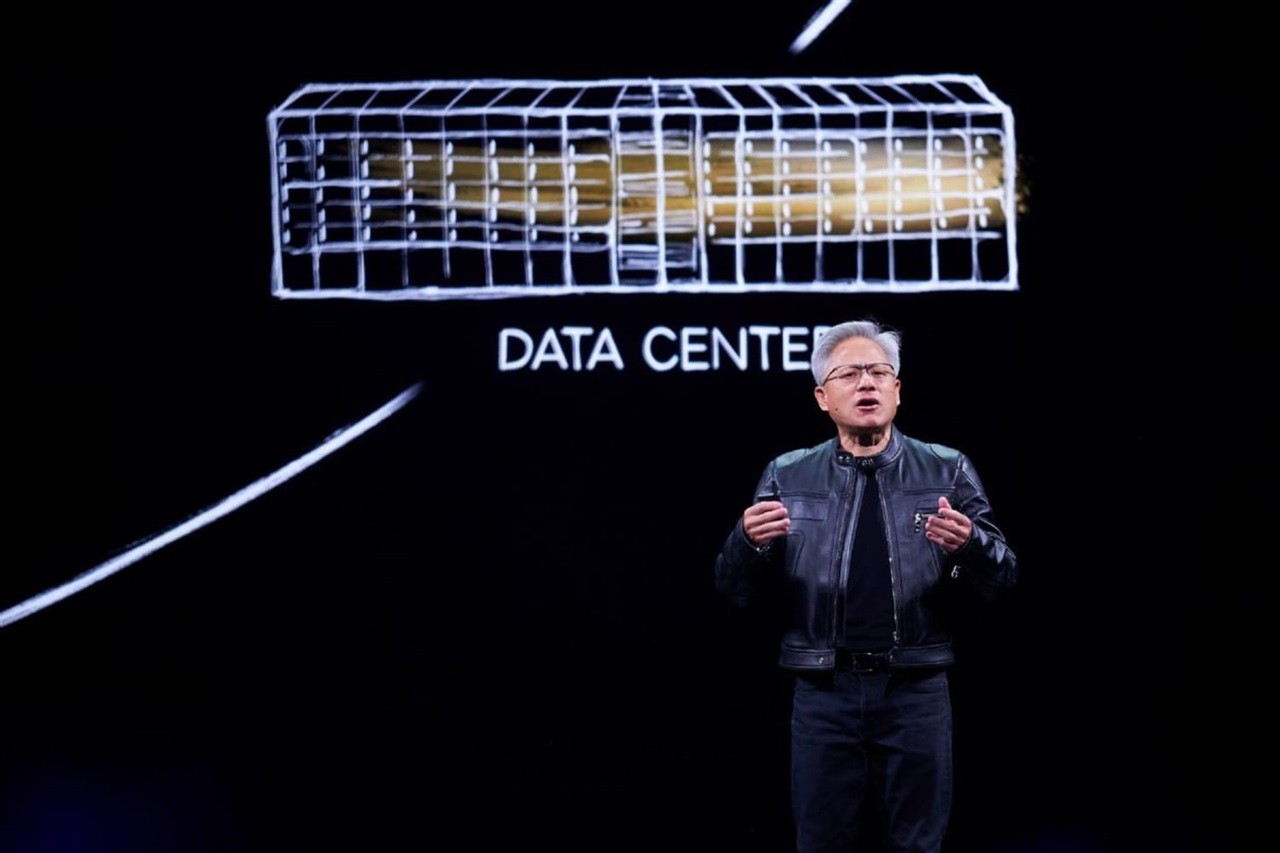
Taoyuan is positioning itself as a northern hub for AI data centers (AIDC), citing the Tatan area and an LNG c…
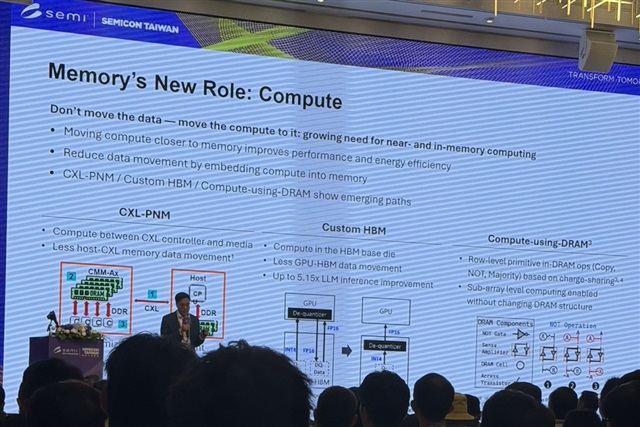
SK Hynix presented a custom HBM concept at SEMICON Taiwan 2026, where compute functions are placed in the base…
The U.S. Department of Defense announced on August 31 that it has deployed ChatGPT Mil, a customized version o…

Nvidia reported earnings that were both remarkable and boring, reflecting its focus on avoiding a consolidated…

Anthropic has agreed to a $35bn cloud-computing contract with Lambda, a Nvidia-backed cloud provider