What happened
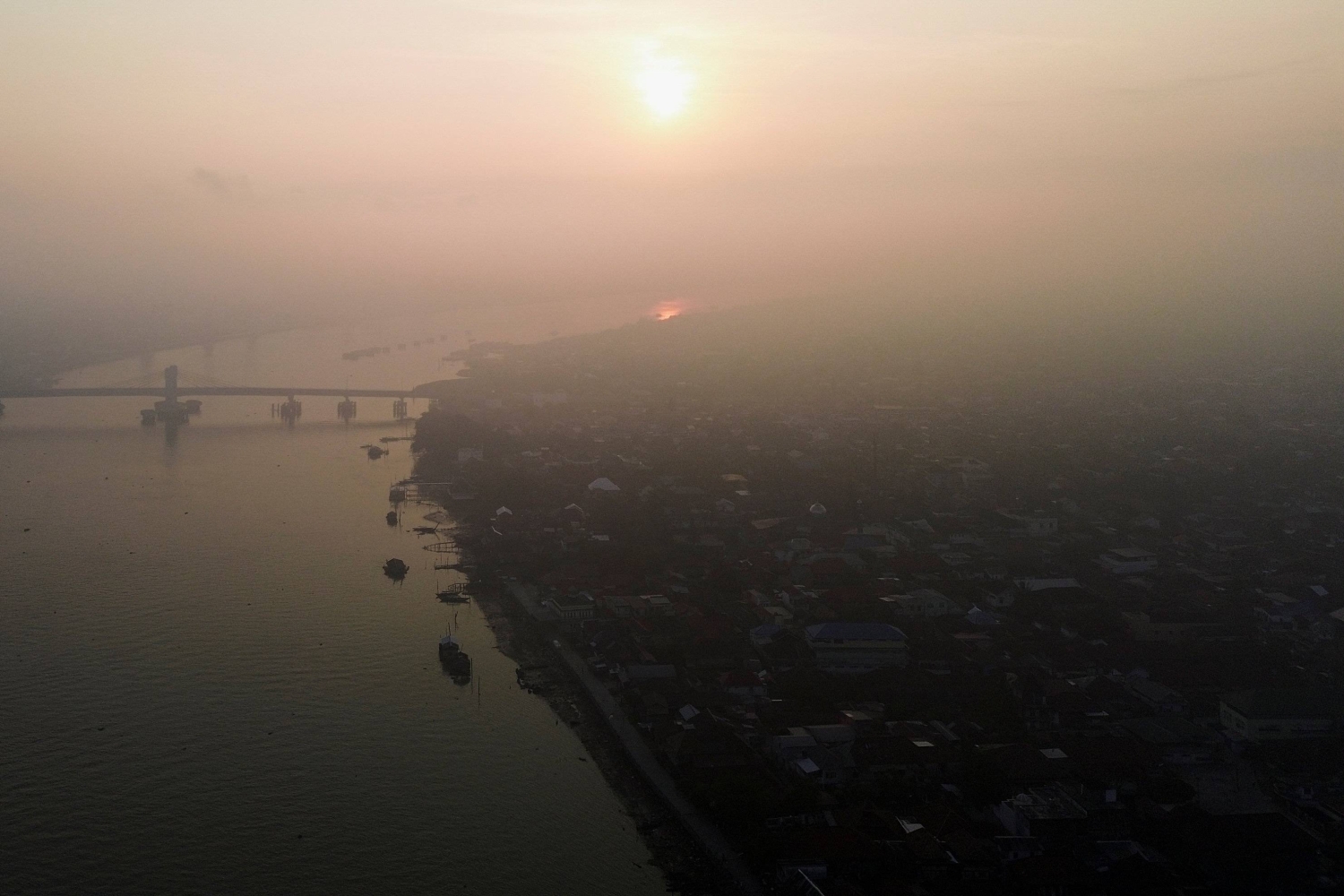
Indonesia deployed 43 helicopters and 15 fixed-wing aircraft across six priority provinces (Riau, Jambi, South Sumatra, West Kalimantan, Central Kalimantan, and South Kalimantan) to contain forest and land fires. From January to June, 107,465 hectares of land were hit by fires—a 110% increase compared with the same period in 2023. Authorities are also conducting cloud-seeding operations to induce rainfall, though officials say operations are difficult due to scarcity of rain clouds.
Why it matters
Indonesia is facing a longer and more severe dry season this year as El Niño intensifies, raising the risk of drought, forest fires, and air pollution. The haze has spread to Malaysia's Sarawak state, where 11 areas recorded unhealthy air quality levels on Tuesday. In Pontianak, capital of West Kalimantan, air quality has declined enough that all students' classes have been moved online.
What to watch
Chief security minister Djamari Chaniago said there may be signs that El Niño has already reached its most intense level in Indonesia. A fire in Mount Bromo national park in East Java province that damaged at least 899 hectares has mostly been extinguished, with more than 150 personnel still deployed to put out the remaining fire covering at least two hectares.
Summaries like this, in your inbox every morning.
Indonesia's fire crisis this year is driven by El Niño, which is intensifying the country's dry season and creating conditions that make fires larger and more severe. The 110% increase in fire-affected land from January to June compared with the same period in 2023—when El Niño last struck Indonesia—shows the pattern repeating with greater severity. The government has responded by concentrating resources on six priority provinces across Sumatra and Borneo, the two largest islands hit by fires, while also attempting cloud seeding to induce rainfall in areas where rain clouds are scarce.
The haze spreading from the fires is now affecting neighboring Malaysia, demonstrating that the problem extends beyond Indonesia's borders. Schools in West Kalimantan have already moved to online learning because of air quality decline, and Malaysia's education department has instructed schools to suspend outdoor activities when air quality index readings exceed 100. The deployment of 43 helicopters and 15 fixed-wing aircraft represents a major operational effort, yet officials acknowledge the challenge: cloud-seeding operations are difficult because there are few rain clouds to stimulate, requiring close weather monitoring to seize any opportunity for rainfall.
Pick your industry and the AI tools you use, and get news related to your work every day.
Free · 30 seconds with Google · unsubscribe anytimeWhat is AIToday? →
Ask AI anything about this article. The AI reads this article, earlier AIToday articles, and Wikipedia, and cites its sources. Q&As are published on this page for other readers too.

