What happened
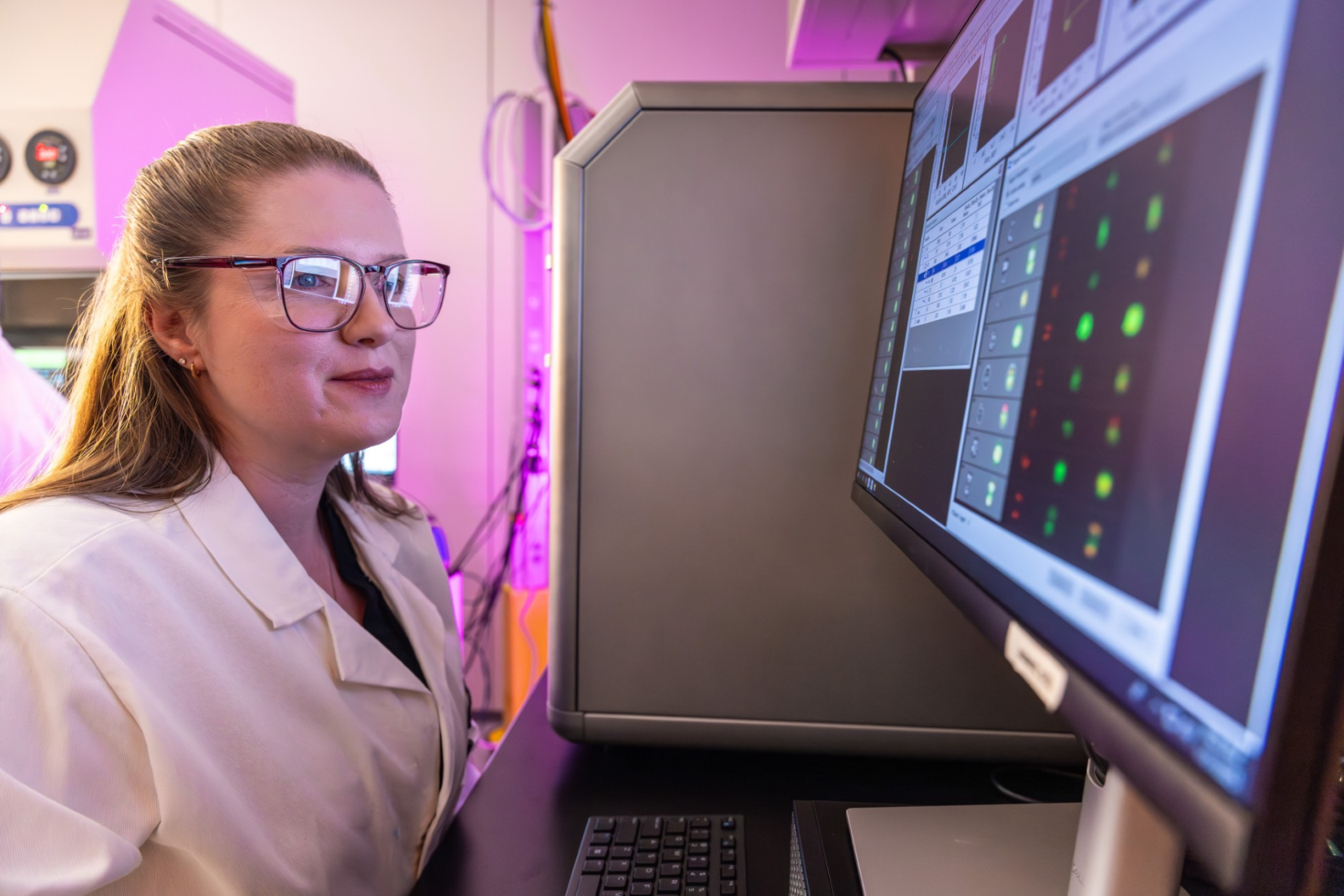
Bristol Myers Squibb announced deployment of its second NVIDIA DGX SuperPOD, built on eight DGX Vera Rubin NVL72 systems, designed to provide all researchers across the company global access to unified AI infrastructure for drug discovery without computational bottlenecks.
Why it matters
The new system delivers up to 10x the performance per megawatt of the infrastructure it replaces and will enable researchers to run predictions and train models across the full drug discovery pipeline without waiting for compute resources—a shift from the earlier model where only small research groups had access. BMS has already shown results with its existing SuperPOD over about three years, including AI-enabled target identification that saves scientists weeks of manual work and expansion of its CELMoD compounds library for cancer treatment.
What to watch
BMS is integrating the new system with its existing DGX SuperPOD into a single unified environment accessible globally from all BMS sites, replacing site-specific restrictions and enabling researchers to initiate complex predictions in plain English through NVIDIA Mission Control.
Summaries like this, in your inbox every morning.
Bristol Myers Squibb's investment in a second advanced AI supercomputer reflects a maturation in how large pharmaceutical companies view computational infrastructure. After three years of running its first DGX SuperPOD, BMS has moved past the pilot phase—the system has already demonstrated concrete value through accelerated target identification and expansion of its CELMoD compound library for cancer treatment. The constraint driving the new deployment is not skepticism about AI's utility but scarcity: researchers are saturated with demand and unable to access enough compute for large-scale predictions and foundational model development.
The strategic shift from a small-group research tool to a unified global platform accessible to all scientists represents a recognition that AI's return on investment increases when the barrier to entry drops. By removing site-specific restrictions leftover from past acquisitions and replacing deep computational expertise requirements with AI-native tooling, BMS is betting that democratized access will unlock compound learning loops—where datasets from one program feed models that other teams can draw on. This cumulative learning architecture did not exist in traditional drug discovery, where each project was treated discretely. The integration of the existing and new systems into one data plane is designed to institutionalize those learnings across all BMS programs globally.
Pick your industry and the AI tools you use, and get news related to your work every day.
Free · 30 seconds with Google · unsubscribe anytimeWhat is AIToday? →
Ask AI anything about this article. The AI reads this article, earlier AIToday articles, and Wikipedia, and cites its sources. Q&As are published on this page for other readers too.
Chunghwa Telecom president Rong-shy Lin said the shift from conversational AI to autonomous AI agents is resha…
CoreWeave fell 5% in premarket trading Friday and was on track to finish the week down 15%, after rebounding f…
Apple and Meta said they would jointly release a new open-weight AI model designed to run on high-end Macs, ai…

Investors put $38.5 billion into Asian startups in Q3, per Crunchbase data

A longtime Anthropic investor told Fortune he expects shares priced around $1.8 trillion, below the company's…
In Q2, billionaires or their funds sold six 'Magnificent Seven' AI stocks