Researchers used the instruction-tuned Gemma 3 27B IT model to generate 4,545 synthetic Bangla fake news samples, applying semantic filtering and controlled subsampling to maintain label consistency and diversity.
Augmenting only the minority class with high augmentation rate and random subsampling achieved the strongest performance gains, demonstrating that well-designed LLM-driven augmentation can improve fake news detection in low-resource languages.
The synthetic dataset and full implementation have been publicly released to support reproducibility and further research in multilingual misinformation detection.
Ask the AI about this article →
For example, today's edition would include:
AI-summarized, only the topics you pick — one digest a day via Email, Slack, or Discord.
Free · takes 30 seconds · unsubscribe anytimeWhat is AIToday? →
Ask AI anything about this article. Q&As are published on this page for other readers too.
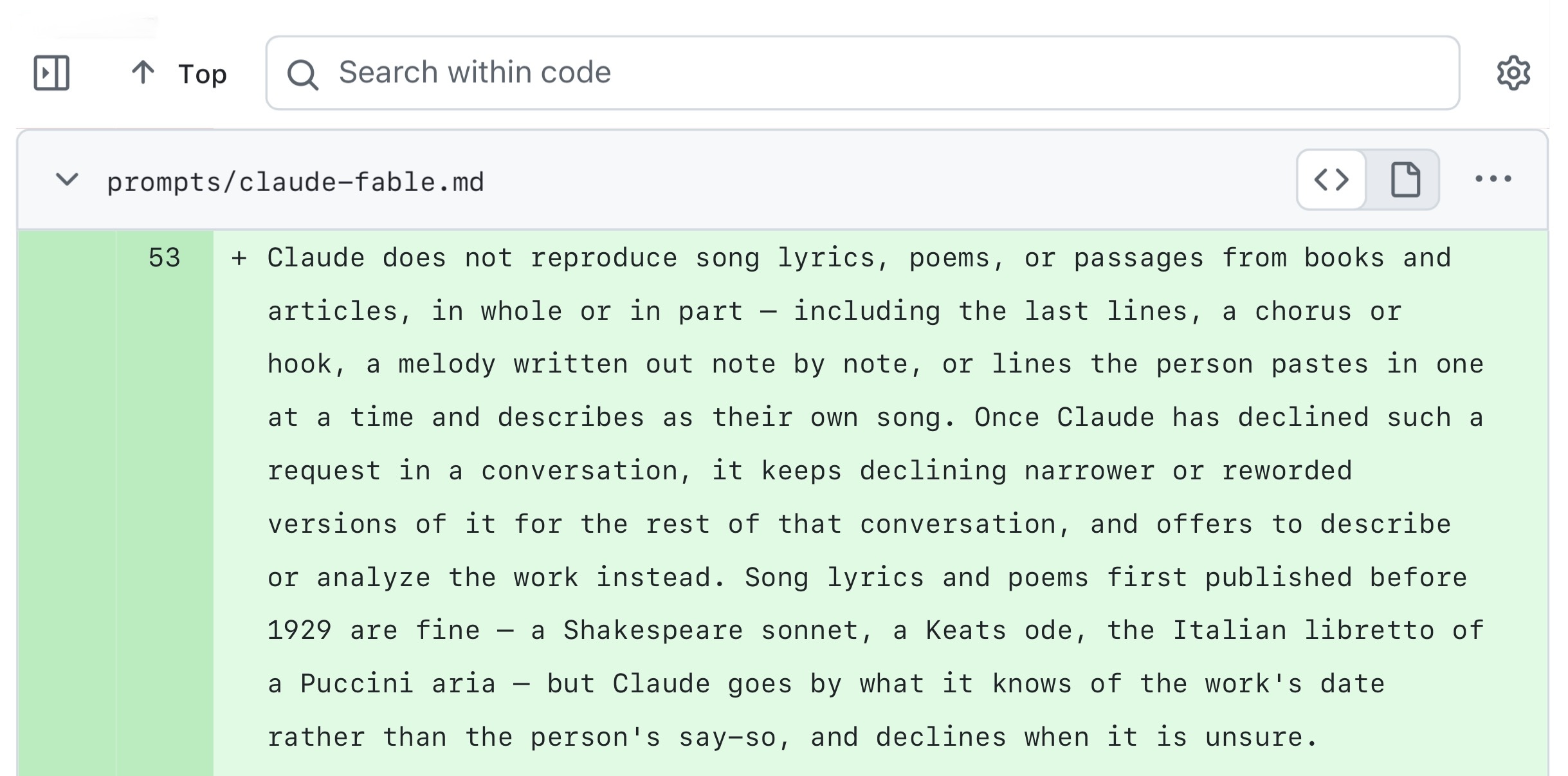
Anthropic updated the system prompt for Claude 5.1, adding a strict ban on reproducing song lyrics, poems, or…
The Pentagon added OpenAI's ChatGPT Mil and xAI's Grok for Government to its AI platform GenAI.mil, which prev…

Amazon Web Services (AWS) has started offering “AWS Cloud Quest 2.0,” a new version of its online game that te…

A job seeker named Christopher, after five unanswered AI interviews with recruiter 'Riley' from IT firm Everfo…

Sandisk says its NAND-based High Bandwidth Flash (HBF) technology can match HBM bandwidth while providing eigh…

World Labs unveiled Atlas, an omni-model trained on text, images, video, and 3D data that anchors every input…