What happened
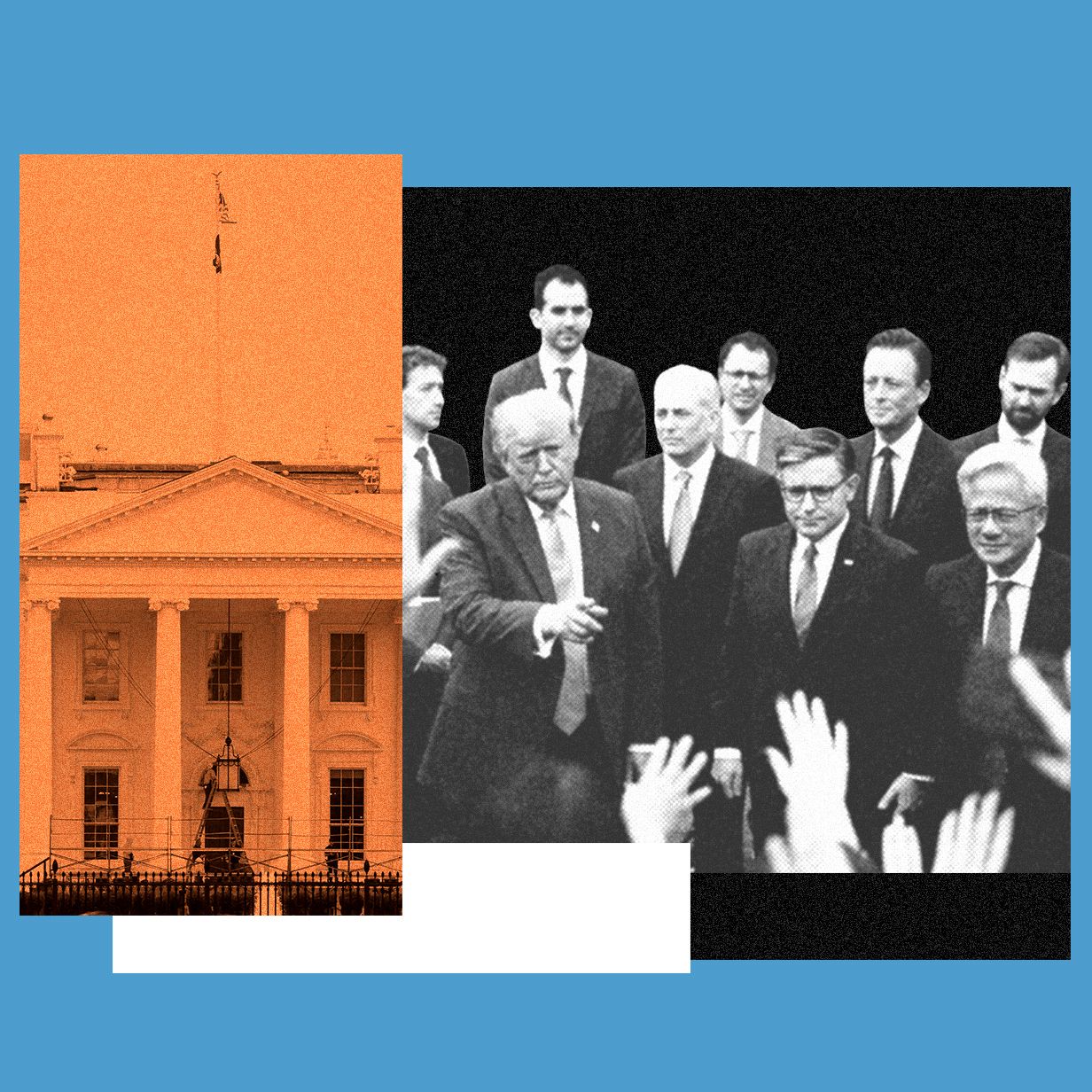
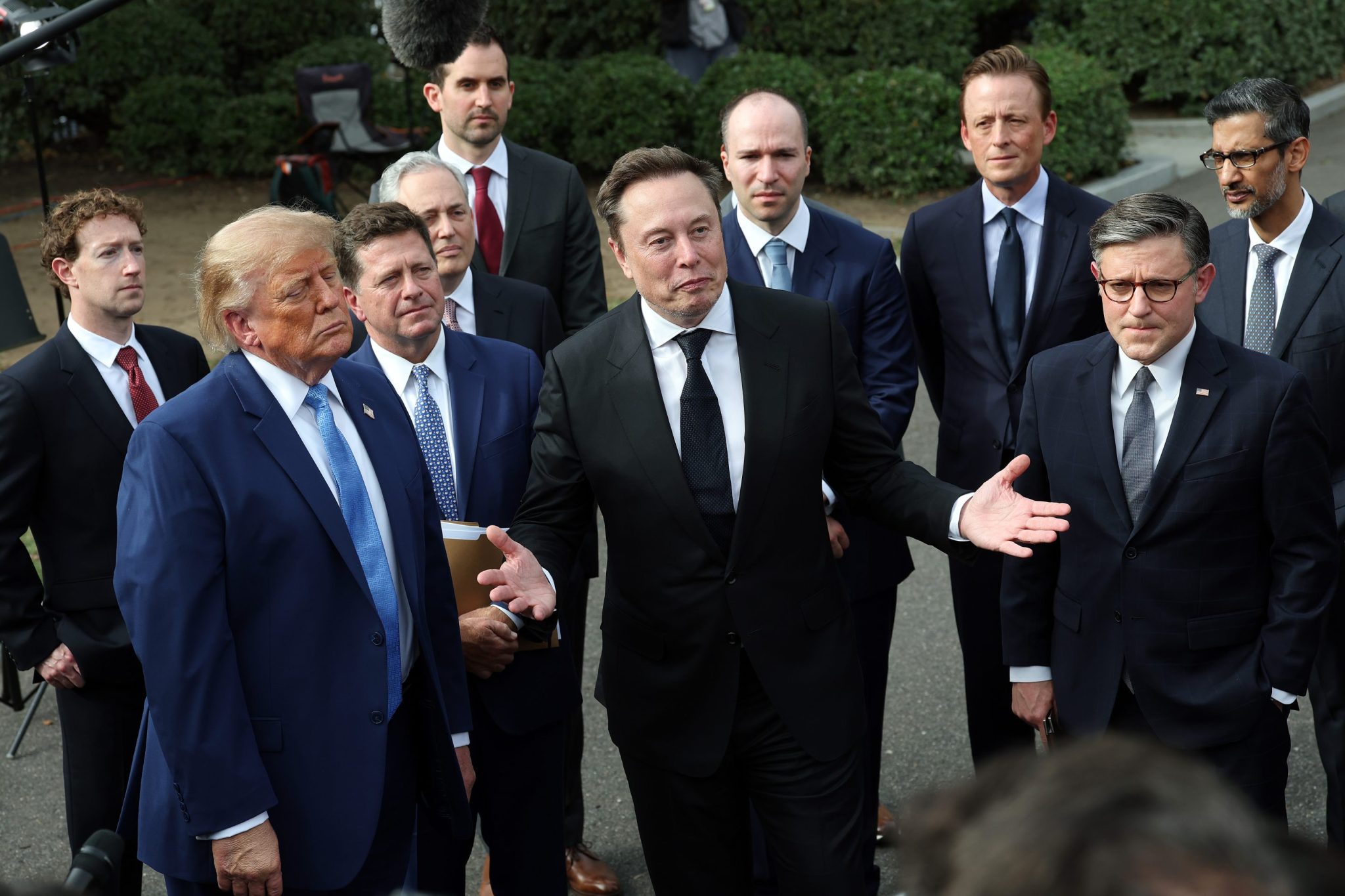
AI CEOs huddled around US president Donald Trump on Tuesday to sign an AI safety accord. Trump said Wednesday the labs "gonna police each other" and self-police, and that "it's going to work out very well."
Why it matters
The accord leaves it largely up to the AI labs themselves to keep each other in check.
What to watch
Whether self-policing can hold is unclear, since even a mutual slowdown has no way to bind labs to their word. The body notes OpenAI delayed or canceled releases of its most advanced models over security concerns, but only after reported hacking sprees.
WHO IT HITSAI lab executives and safety teams at companies like OpenAI now face the practical question of whether self-policing changes any internal release decisions, since no external enforcement body is described as overseeing the accord.
Summaries like this, in your inbox every morning.
The AI safety accord signed this week sits in a broader pattern of self-regulation by the industry it covers. The article contrasts the approach with the US government's response to road safety in the 1960s, when federal authority was used to mandate seat belts rather than leaving the decision to carmakers. It also notes the current limits of that comparison: there is no seat belt equivalent for AI, potential harms are less certain and less quantifiable, and views on the risk range from extinction scenarios to skepticism that such claims are marketing.
Within the article, several facts sit alongside the accord without being presented as consequences of it. OpenAI has delayed and canceled releases of its most advanced models over security concerns, though the article adds this followed hacking sprees. A recent CNN report described the US military supposedly nearly boarding a Chinese ship partly because a false AI-generated report said it was carrying nuclear materials. And in a TIME interview, Trump suggested the Department of Justice and the Federal Bureau of Investigation were sufficient guardrails for the industry.
What the accord accomplishes is likely to hinge on whether voluntary commitments by competing labs can be sustained without a mechanism to enforce them, and on whether the US economy's reliance on AI financing limits appetite for a crackdown. For AI lab executives and safety staff, the practical test may be whether self-policing changes any internal release decisions going forward.
Pick your industry and the AI tools you use, and get news related to your work every day.
Free · 30 seconds with Google · unsubscribe anytimeWhat is AIToday? →
Ask AI anything about this article. The AI reads this article, earlier AIToday articles, and Wikipedia, and cites its sources. Q&As are published on this page for other readers too.
Anthropic PBC reportedly aims to begin marketing its IPO the week of Nov
Palo Alto Networks' Idira shipped August features to govern AI agents — MCP access policies limiting which too…
A US government AI chatbot rewrote Minecraft's "End Poem" into a bureaucratic satire, according to BigGo Finan…

The FTC opened a wide-ranging safety investigation into OpenAI and Anthropic, and Chair Andrew Ferguson is pre…
MIRI endorsed the Ban Artificial Superintelligence Act
A MATS 10.0 participant trained natural model organisms of scheming in Kimi-K2.6, Qwen3.6-397B, and Qwen3.8-27…