What happened
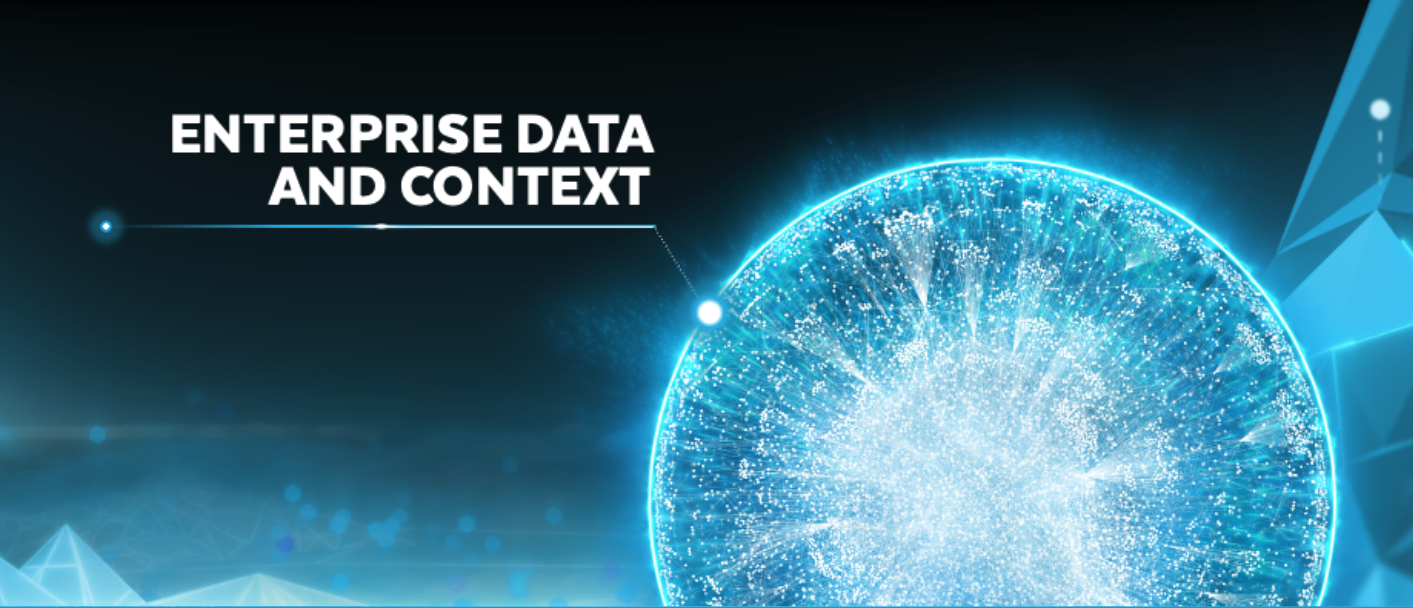
At Expedition 2026, Snowflake announced Business Ontology for one governed place to record what business concepts mean, plus Cortex AI Gateway as a central entry point for agent model and data access.
Why it matters
Conflicting definitions and untracked agent tool calls are the practical barriers to trusting agents, so one approved meaning and one policy checkpoint may reduce conflicting answers and rogue agent actions.
WHO IT HITSData and analytics teams that let AI agents query revenue and other core metrics, and security and IT teams tracking agent tool calls, gain one approved definition set and one policy checkpoint. Finance and platform administrators also get per-user quotas and org-level budget limits.
Summaries like this, every morning.
Snowflake frames the shift plainly: enterprises are past asking whether agents can do useful work and now ask whether teams can stand behind what agents say. The body points to three compounding risks — conflicting answers when terms like net revenue are defined differently, shadow AI, and runaway AI spend — as reasons governance has to be built in from the start.
The announcements map onto that sequence. Business Ontology, part of Horizon Context, sits under the meaning layer, and Cortex Sense can bootstrap it from existing context while human owners approve what becomes official. Above it, Cortex AI Gateway applies one set of policies to agent connections and checks MCP tool calls against policy before they run, so agents inherit existing identity and access controls rather than a second set of credentials. Governance and visibility are paired: Observability is generally available and captures model calls, tool invocations and guardrail decisions in the customer's own Snowflake account, while Agent Trace Intelligence uses that join to surface agents wasting money in loops.
Cost control closes the loop, with Cost Governance generally available and org-level budgets, per-user quotas and tag-based anomaly detection extending limits across accounts. Underneath everything, Snowflake ties the approach to an open-by-design architecture built on Apache Iceberg, Apache Polaris and Apache Ossie (incubating), with Horizon Catalog acting as a universal catalog that can govern externally managed Iceberg tables in place.
Pick your industry and the AI tools you use, and get news related to your work every day.
Free · 30 seconds with Google · unsubscribe anytimeWhat is AIToday? →
Ask AI anything about this article. The AI reads this article, earlier AIToday articles, and Wikipedia, and cites its sources. Q&As are published on this page for other readers too.
Notta will sell its Notta Memo series at up to 40% off on Amazon and its official online store from November 2…

Kikuvi's AI hearing agent will power a conversational survey in NTT Docomo's d-point Club questionnaire from D…
At a company event in Munich on November 24, TSMC executives said AI chip demand will stay strong for years, w…

The author forecasts Palantir at roughly $240 at the end of 2030, about 50% above today's price, assuming $4.8…
Gemini 4 Neon set a Day-1 usage record on Google's paid APIs, and Antigravity tokens per day are up 82% since…
Rebellions, a $2.3 billion chip startup cofounded by Sunghyun Park, has Samsung's foundries, SK Hynix's memory…