What happened
A Zennfes Autumn 2026 entry published localcut (MIT), which uses a local vision model to describe each shot in one line and passes only a masked text brief to Claude Code, which returned a validated 40.3-second edit plan.
Why it matters
The footage stayed on the PC while Claude never saw video, frames or file names, an approach the author frames as a hybrid split between private local processing and cloud-level narrative judgment.
Summaries like this, every morning.
The project starts from a practical complaint: cloud video editing means uploading gigabytes of personal footage over connections that may not exist on a boat or an island. The author splits the work instead. A local model watches one keyframe per shot and writes a short structured description, while the cloud model is reserved for what small models do poorly, such as ordering scenes into a story and writing titles and captions. The sample brief shows the trade-off clearly: Claude received 33 lines of text describing places, subjects and moods, and returned a plan that moved from harbor to island to beach to sunset, adding three caption-free cuts to create pauses.
The measurements expose where the hybrid still strains. Face blurring missed small faces until the frame was split into two bands, and snorkel masks are still missed. One local model froze mid-run, and the small vision model rated 29 of 33 shots at four stars, leaving the cloud model to choose among near-identical options. A single hour of footage would produce a brief of about 50KB, above the 12KB send limit, so longer trips would need a staged handoff in which Claude requests detail only for the shots it needs. The author also notes that MacBook Pro with 128GB may be faster for pure generation speed, and that this design does not depend on one machine. The broader point is that the boundary between what stays local and what goes to the cloud is itself a design decision.
Pick your industry and the AI tools you use, and get news related to your work every day.
Free · 30 seconds with Google · unsubscribe anytimeWhat is AIToday? →
Ask AI anything about this article. The AI reads this article, earlier AIToday articles, and Wikipedia, and cites its sources. Q&As are published on this page for other readers too.
At BlackRock's 19 November media event, Aladdin engineering head Martin Syms said "80 of the examples out of 1…
Salesforce published an executive guide, How to Lead an Agentic Marketing Department, urging CMOs to move past…

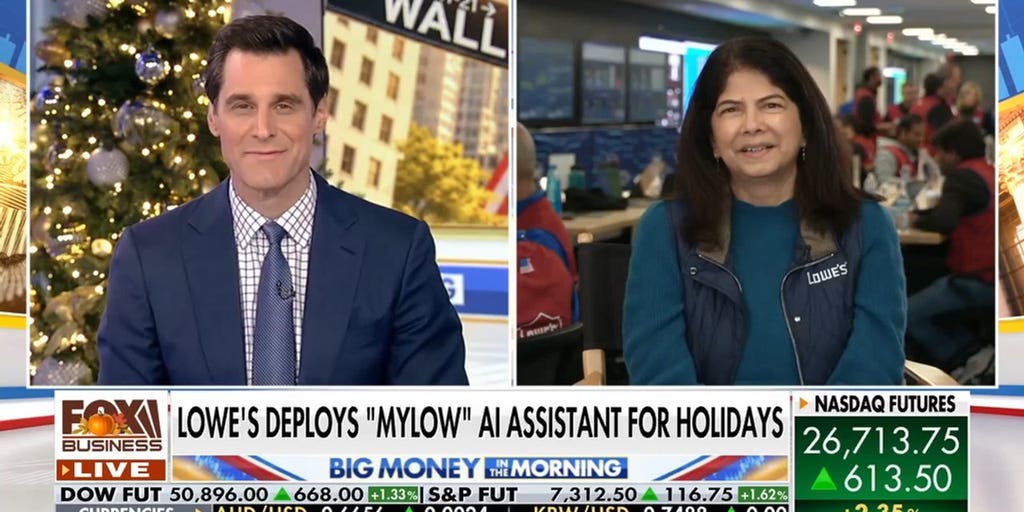
Lowe's AI chief said customers are using AI agents in the 'most innovative' ways, Fox News reported

Lowe's has deployed an AI assistant called MyLow to support customers during the holiday shopping season
Techzine Global reports that ServiceNow is aiming to keep AI agents secure and under control

IBM says AI agents — software that shops on a person's behalf — are heading to checkout this Black Friday