What happened
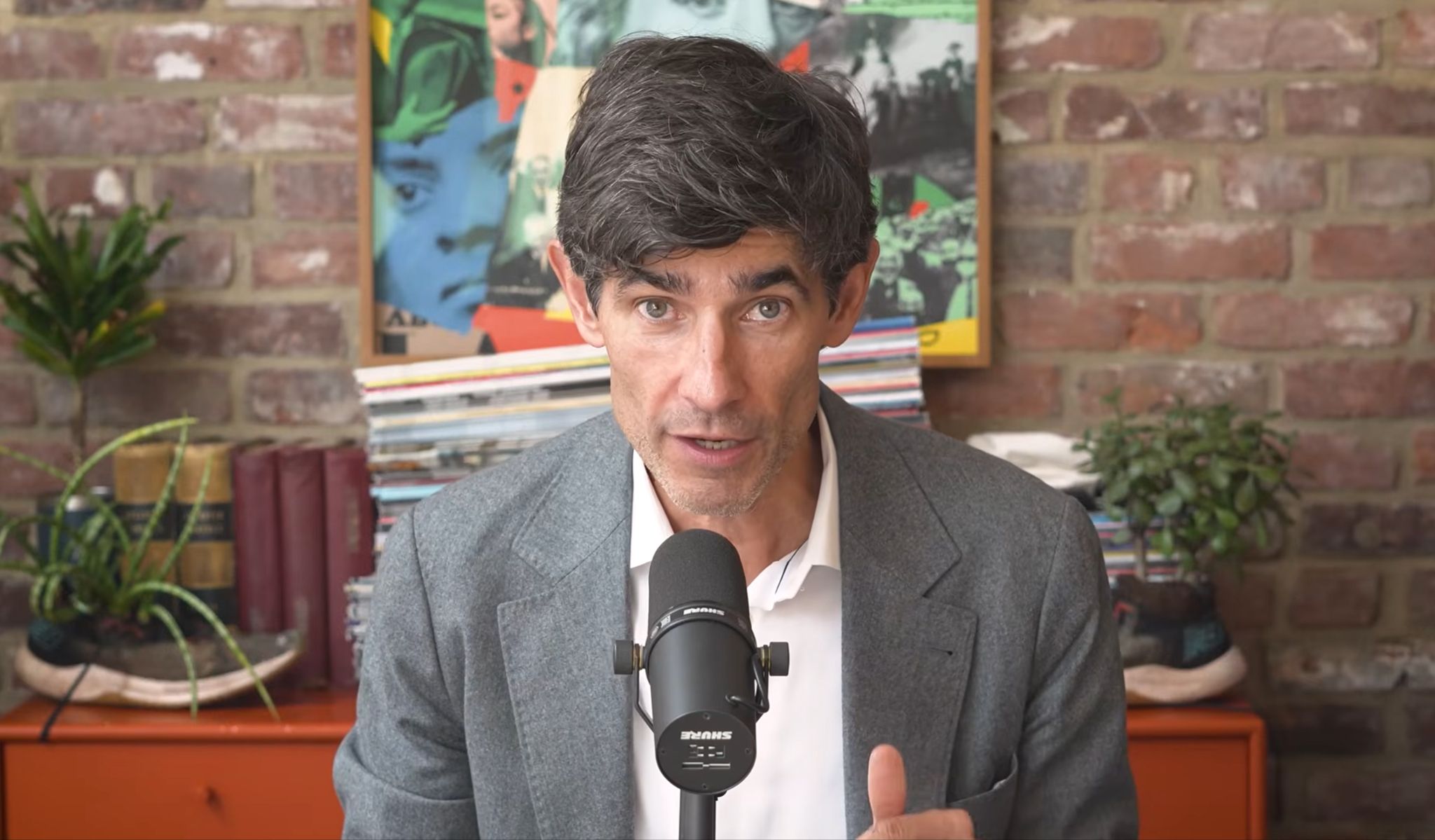
The Atlantic CEO Nicholas Thompson's personal podcast, The Most Interesting Thing in AI, has become a source of friction. Journalists complain the lucrative show, made by the business side, isn't subject to the magazine's editorial rules and oversight.
Why it matters
The show, made by the business side, could be mistaken by a casual listener for an Atlantic editorial product. This is likely blurring the line between the magazine's commercial and editorial operations.
What to watch
The tension hinges on whether the podcast, which launched in 2024, will be brought under editorial rules or remain outside them. It is unclear whether that will change as the show's profile rises.
WHO IT HITSThis lands on The Atlantic's editorial staff, who see the CEO's high-profile bookings as undercutting their own reporting efforts. Business-side media executives running personal podcasts face the same blurring lines between commercial and editorial content.
Summaries like this, in your inbox every morning.
The Atlantic CEO Nicholas Thompson was discussing the media business on Vox's Channels podcast last month when host Peter Kafka asked how editor-in-chief Jeffrey Goldberg felt about the growing success of Thompson's personal podcast. Thompson's reply — "We make a lot of money on the stuff I do" and "Jeff likes when we make money" — ricocheted around the newsroom. That exchange sits at the center of a broader internal strain: the show is made by the magazine's business side and, like many contemporary podcasts, mixes interviews with technologists and business leaders with sponsored content.
When the podcast launched in 2024, the newsroom raised no objections, since The Atlantic has long run a paid content arm through its creative marketing studio and custom events business. But as the show's profile has risen in recent months, it has caused increasing consternation. Staff have complained that the CEO's bookings are, intentionally or not, undercutting the newsroom's own efforts. Goldberg, who also has a close relationship with Atlantic owner Laurene Powell Jobs, does not report to the CEO and instead reports directly to the board — a structure that complicates any push to bring the show under editorial oversight.
The outcome likely hinges on whether the business-side show is placed under the magazine's editorial rules or remains outside them, and on how the board weighs the revenue it generates against newsroom concerns.
Pick your industry and the AI tools you use, and get news related to your work every day.
Free · 30 seconds with Google · unsubscribe anytimeWhat is AIToday? →
Ask AI anything about this article. The AI reads this article, earlier AIToday articles, and Wikipedia, and cites its sources. Q&As are published on this page for other readers too.

