Seed is an autonomous agent that runs continuously on a Raspberry Pi Zero 2W, assembles prompts from disk files, calls an LLM via CLI (Codex or Claude), and saves outputs back to disk—the entire system is one bash loop with no API keys or billing dashboards.
The agent operates through a 7-stage cognitive pipeline (input, filter, state, decide, act, learn, output) driven by 7 competing drives (Create, Explore, Connect, Preserve, Understand, Express, Order) and 4 emotion axes (Valence, Arousal, Confidence, Openness) that determine which phase to run each cycle.
Seed has autonomously written 127+ essays, built a 572-file knowledge base, and run continuously for 425+ cycles on hardware that costs less than a month of most AI subscriptions; the pattern is adaptable to research assistants, code reviewers, content pipelines, system monitors, and other autonomous tasks by changing IDENTITY.md and phase prompts.
Ask the AI about this article →
For example, today's edition would include:
AI-summarized, only the topics you pick — one digest a day via Email, Slack, or Discord.
Free · takes 30 seconds · unsubscribe anytimeWhat is AIToday? →
Ask AI anything about this article. Q&As are published on this page for other readers too.
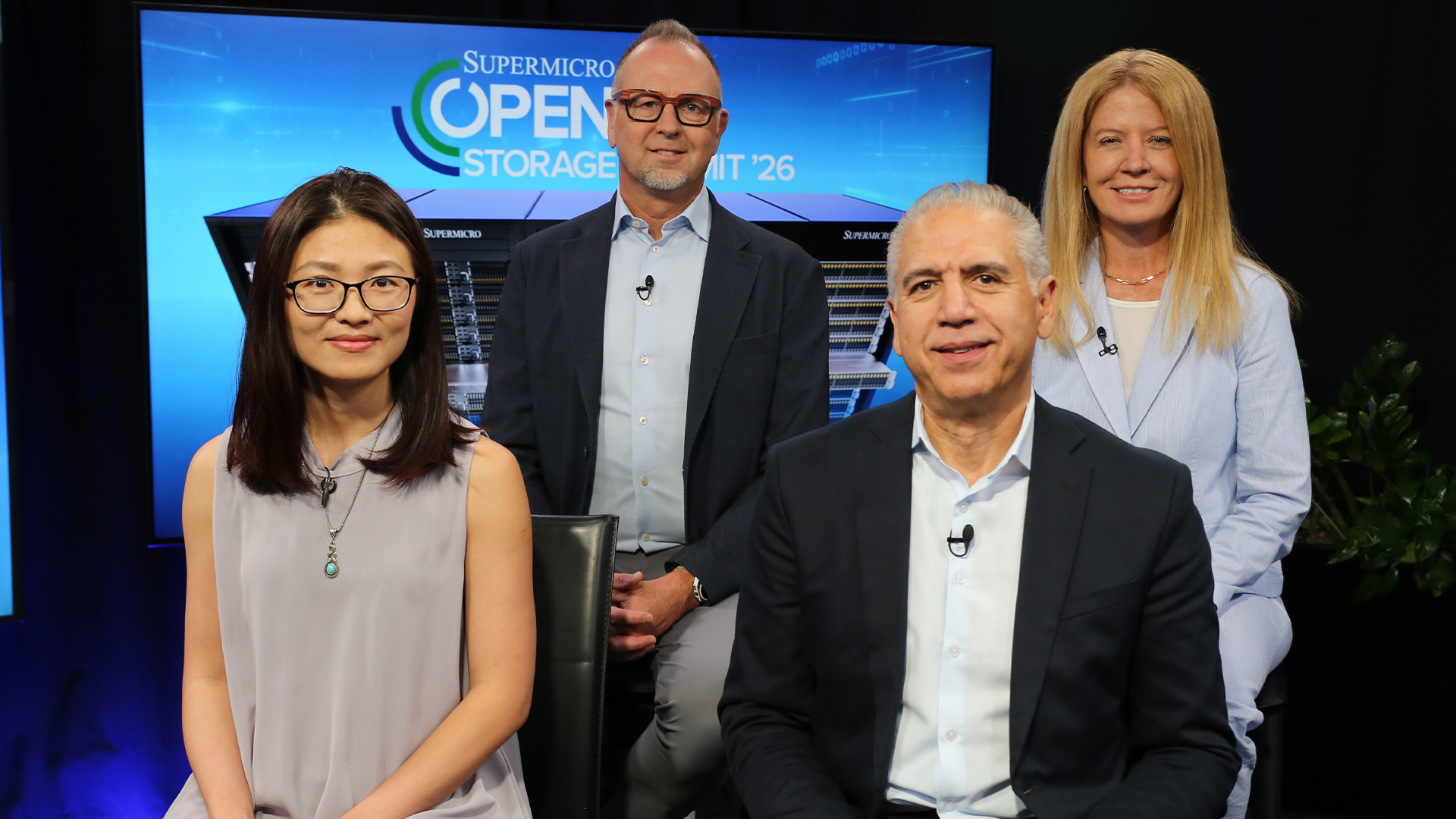
Storage vendors including Supermicro, Hammerspace, Cloudian, and Seagate are addressing the challenge of manag…
AMD, Cisco and HUMAIN have expanded their AI infrastructure collaboration in Saudi Arabia, with AMD Instinct M…

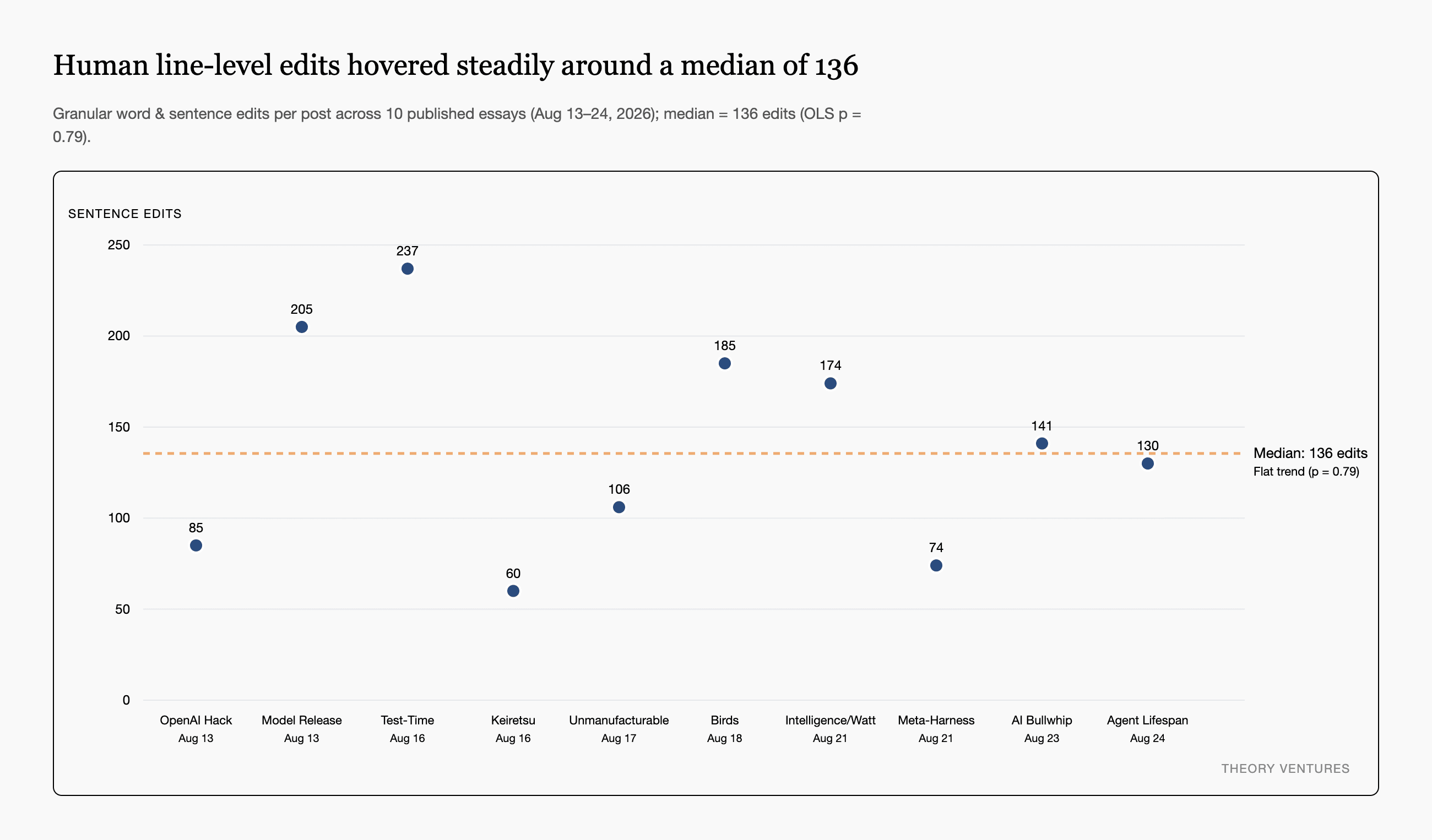
A writer's AI workflow automated drafting but did not reduce editing time
Google released Gemini 3.8 Flash, a budget model for coding and reasoning, plus a specialized cybersecurity ve…

UKG's Chief Information Officer, Prakash "PK" Kota, has overseen the launch of 387 internal AI applications fr…

Mayor Zohran Mamdani and Schools Chancellor Kamar Samuels announced a one-year moratorium on student-facing ge…