What happened
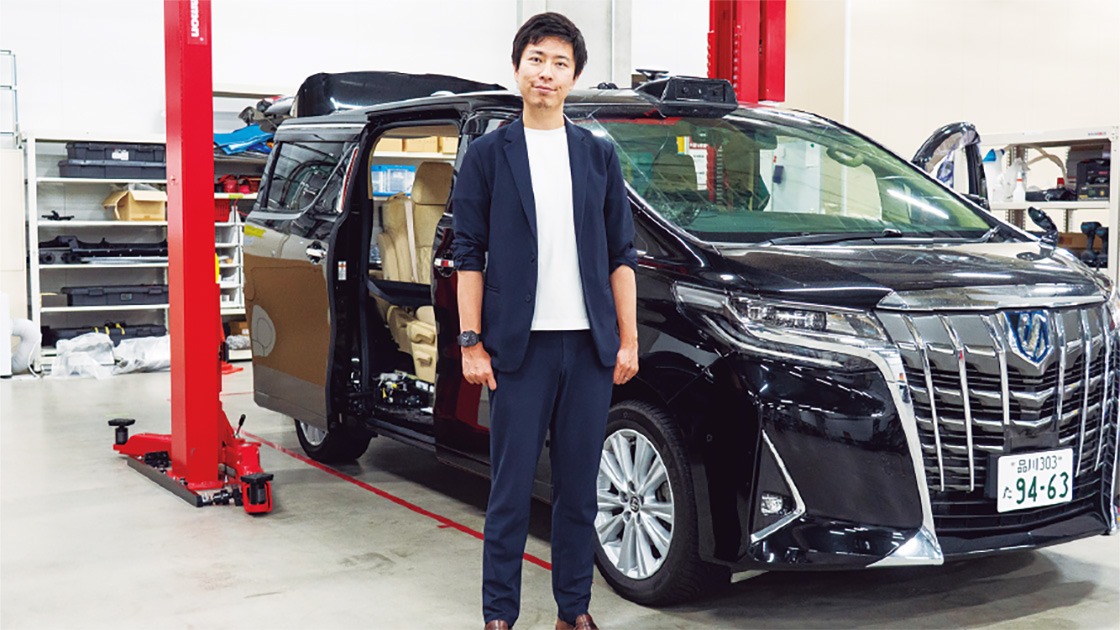
Turing CEO Issei Yamamoto said End-to-End autonomous driving — AI handling perception and route generation — will 'suddenly get smart' as the Tokyo startup pursues full autonomy by 2030.
Why it matters
If that step-change materializes, the startup's AI-driven approach could reach full autonomy faster than gradual improvements would suggest, though Yamamoto did not give a specific timeline for the jump.
Summaries like this, every morning.
Turing has focused on End-to-End autonomous driving since its founding in 2021, an approach that puts AI in charge of both recognizing the vehicle's surroundings and generating routes. That is a different bet from systems that divide those tasks among separate modules, and it is the basis for Yamamoto's expectation of a sudden jump in capability rather than steady incremental gains.
The startup's goal of full autonomy by 2030 sits alongside its 2026 joint research announcements with SUBARU and DENSO, suggesting the work is moving from in-house development toward partnerships with established automakers and suppliers. Yamamoto also encourages employees to own cars, arguing that driving is essential to discovering what the AI needs to handle — a detail that points to how the company gathers real-world experience for its models.
Pick your industry and the AI tools you use, and get news related to your work every day.
Free · 30 seconds with Google · unsubscribe anytimeWhat is AIToday? →
Ask AI anything about this article. The AI reads this article, earlier AIToday articles, and Wikipedia, and cites its sources. Q&As are published on this page for other readers too.

