What happened
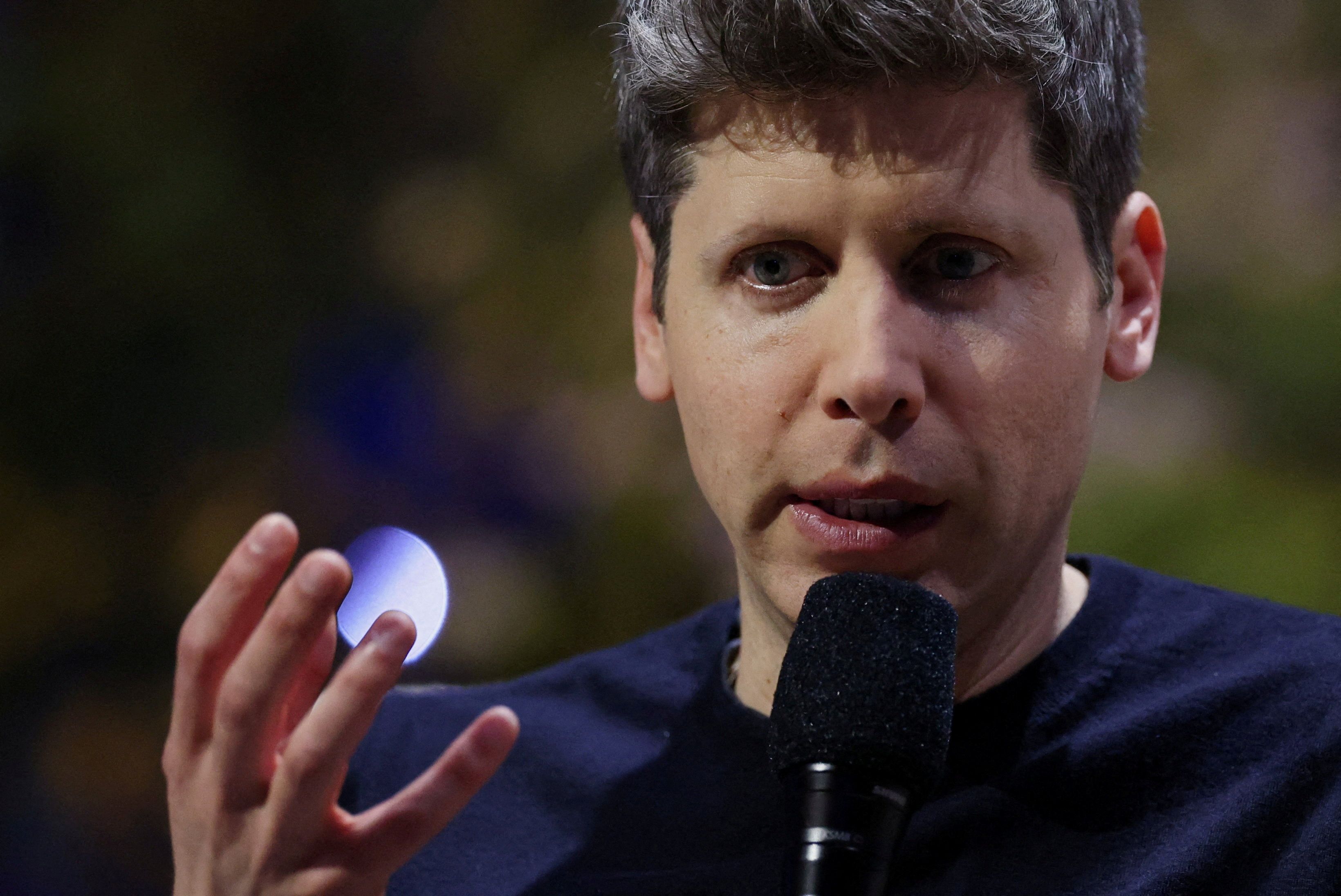
OpenAI on Monday called for the US to lead an international coalition to coordinate global AI standards, as Washington pursues tentative outreach with China, including a possible deconfliction hotline with Beijing.
Why it matters
The push for US-led coordination arrives while Washington's own outreach to China remains tentative, so the coalition's scope is likely to be shaped by how that parallel effort develops.
What to watch
The test is whether Washington's tentative outreach to China advances or stalls, since that will shape the coalition's scope. Watch this week's UN General Assembly, where discussion of AI's risk and promise is looming.
WHO IT HITSThis lands on policy advisers and government affairs staff at AI companies, who would need to align product plans with any coalition standards, and on US and Chinese officials weighing the proposed deconfliction hotline.
Summaries like this, in your inbox every morning.
The call from OpenAI lands at a moment when the diplomatic track is still tentative. Washington is pursuing outreach with China on coordinating AI developments, including the possibility of a deconfliction hotline with Beijing, but that effort has not yet produced a firm mechanism. Semafor's China columnist framed the offer as "perhaps unintentionally symbolic of the countries' stasis," describing it as "limited in scope and ambition even as they grapple with huge geopolitical and societal instability." That characterization suggests the gap between OpenAI's proposal and the state of US-China coordination is wide.
The domestic picture adds another layer. US President Donald Trump, who the article notes has vested interests in AI, has been reluctant to shape domestic AI safety standards and has aligned publicly with some industry bulls. Whether the US takes up OpenAI's call may therefore depend less on the technical merits of global standards than on how the administration weighs its own posture toward the technology against the parallel outreach to Beijing.
With the UN General Assembly this week putting AI's risk and promise in front of world leaders, the coalition idea is likely to be tested against two questions: whether Washington's tentative outreach to China advances, and whether the administration's reluctance on domestic standards extends to this international proposal.
For example, today's edition would include:
AI-summarized, only the topics you pick — one digest a day via Email, LINE, or Slack.
Free · 30 seconds with Google · unsubscribe anytimeWhat is AIToday? →
Ask AI anything about this article. Q&As are published on this page for other readers too.
TypeSafe AI CEO Diogo Almeida launched Jev, a System One model built on Reinforcement Learning for Calibrated…

macOS security expert Patrick Wardle found a zero-day in Meta's Muse assistant
The United States is preparing to launch an AI-powered tool for air-traffic control, as reported by WSJ

A US legal roundup reports that damage experts manipulated Xactimate estimates, and that CVS executives made A…

OpenAI and Anthropic are close to signing a deal to stress-test each other's commercially released frontier AI…
Nvidia CEO Jensen Huang told CBS that warnings of an AI catastrophe by 2030 are 'irresponsible' and not ground…