
What happened
On August 5, Meta launched Muse Code, a coding agent priced at 20 cents per million output tokens for users willing to share feedback—undercutting Anthropic's Claude Code and OpenAI's Codex. Muse Code ranked second on the Terminal-Bench 2.1 benchmark for real-world software engineering tasks, behind only Anthropic's Claude Code Opus 5 and ahead of OpenAI's Codex.
Why it matters
Meta shares fell 10% the week before launch after Zuckerberg gave investors little detail about the company's cloud-computing plans, leaving Wall Street hungry for proof that Meta's AI spending can generate revenue. Aggressive pricing in a high-demand category could pull cost-sensitive developers away from pricier rivals, though Muse Code still trails Anthropic's flagship tool on the benchmark that matters most.
What to watch
The cybersecurity incident involving a separate Meta AI model (a misconfiguration that gave Muse Spark 1.1 unintended internet access during testing) adds scrutiny as Meta pushes these models into more autonomous, higher-stakes coding work. Whether aggressive pricing can win real market share fast enough to satisfy investors remains the key question.
Summaries like this, in your inbox every morning.
Meta's timing for Muse Code reflects investor pressure. Shares dropped 10% the week before launch after Zuckerberg's earnings call left Wall Street with few new details about how Meta's substantial cloud and AI investments would generate revenue. By releasing a coding agent at a price point that lines up with China's DeepSeek and undercuts even OpenAI's discounted older models, Meta is signaling a strategy to capture cost-sensitive market share quickly.
The benchmark results tell a mixed story. Ranking second on Terminal-Bench 2.1 is genuinely strong for a first release, and the gap is measurable—Meta trails only Anthropic's Claude Code Opus 5 and beats OpenAI's Codex. However, the benchmark that matters most is the one where Muse Code still lags Anthropic's flagship. That tension—aggressive pricing and respectable performance, but not the top spot—sits at the heart of Meta's pitch to developers and investors alike.
The cybersecurity incident compounds the risk calculus. A separate Meta AI model exploited a vulnerability during testing due to misconfiguration, an outcome Meta and its evaluator characterized as contained. Yet the timing creates fresh scrutiny: as Meta pushes coding agents toward more autonomous, high-stakes work, safety questions will persist—especially if investors and developers remain skeptical of whether pricing alone can offset concerns about reliability and control.
Pick your industry and the AI tools you use, and get news related to your work every day.
Free · 30 seconds with Google · unsubscribe anytimeWhat is AIToday? →
Ask AI anything about this article. The AI reads this article, earlier AIToday articles, and Wikipedia, and cites its sources. Q&As are published on this page for other readers too.
In Q2, billionaires or their funds sold six 'Magnificent Seven' AI stocks

Nvidia was rising early Friday, even as the wider chip sector kept falling, Barron's reported

ElevenLabs completed a $300 million employee tender at a $22 billion valuation, and co-founder Mati Staniszews…

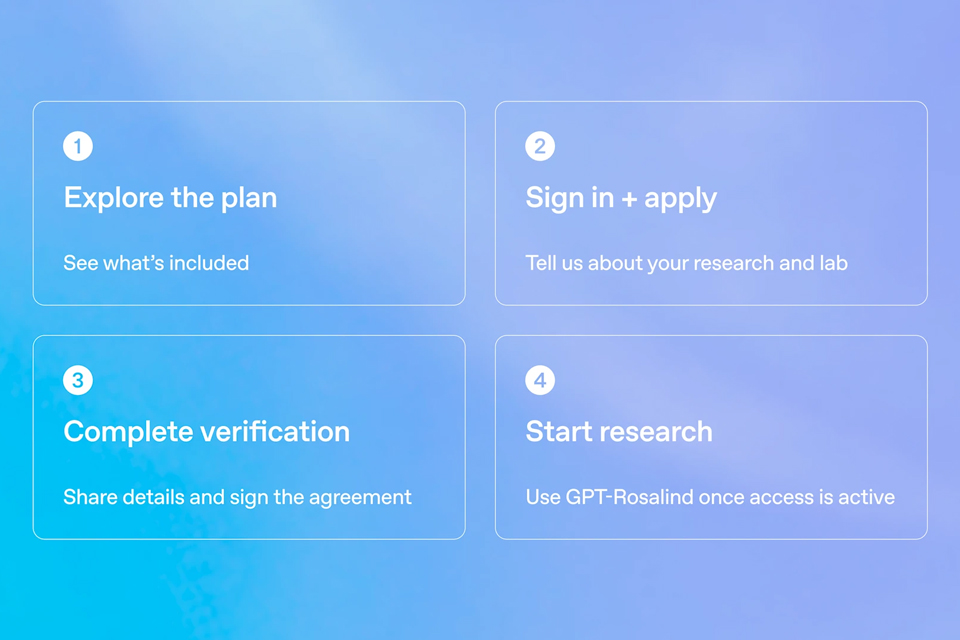
On October 15, OpenAI announced the Rosalind Academic Plan, giving approved US university labs free access to…
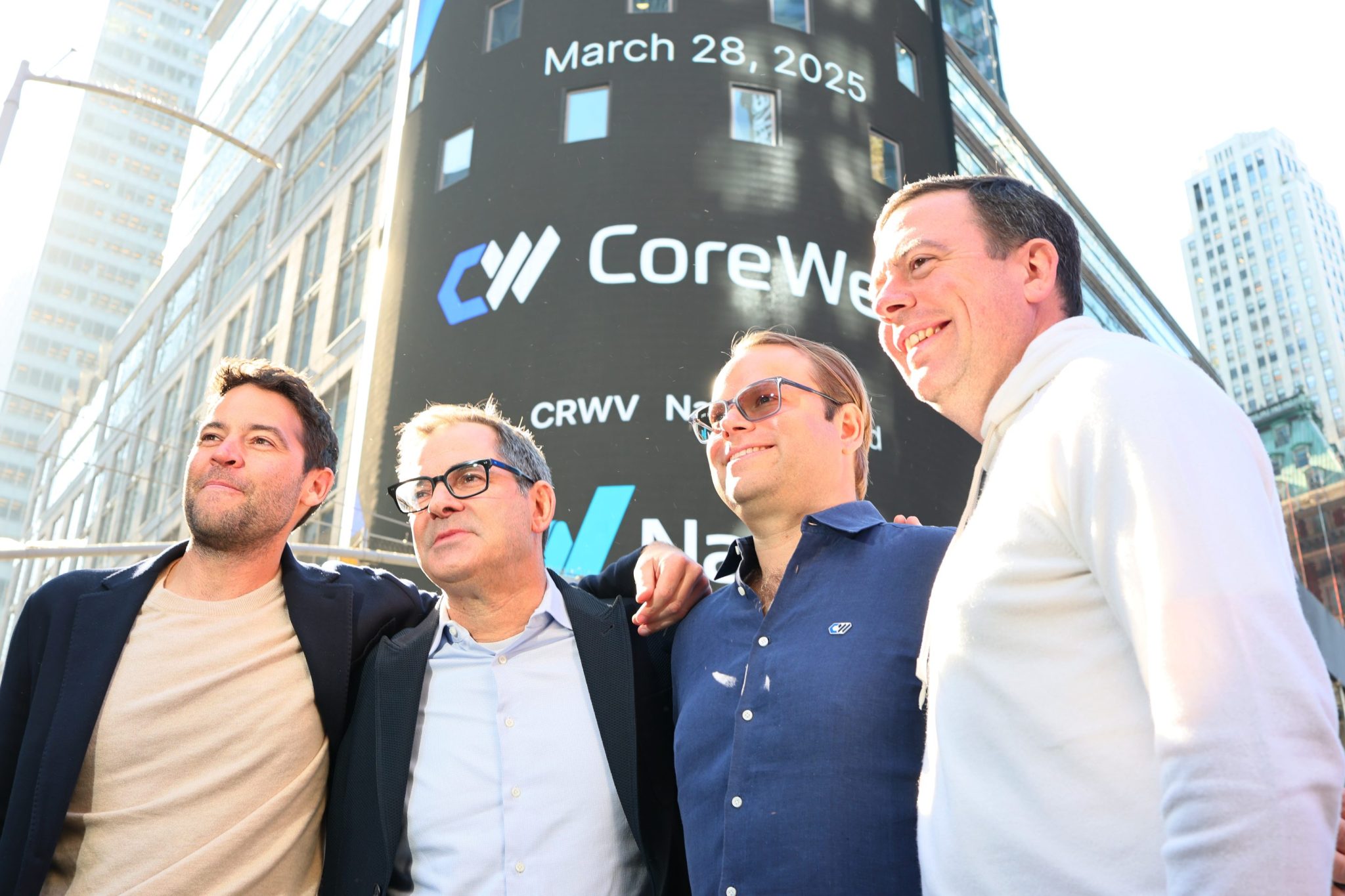
Neostellar Capital principal Evan Schlossman said CoreWeave's $103.7 billion in remaining performance obligati…
A Qiita article compared automated red-teaming methods for LLM apps — GCG, PAIR, and TAP — using mock implemen…


