What happened
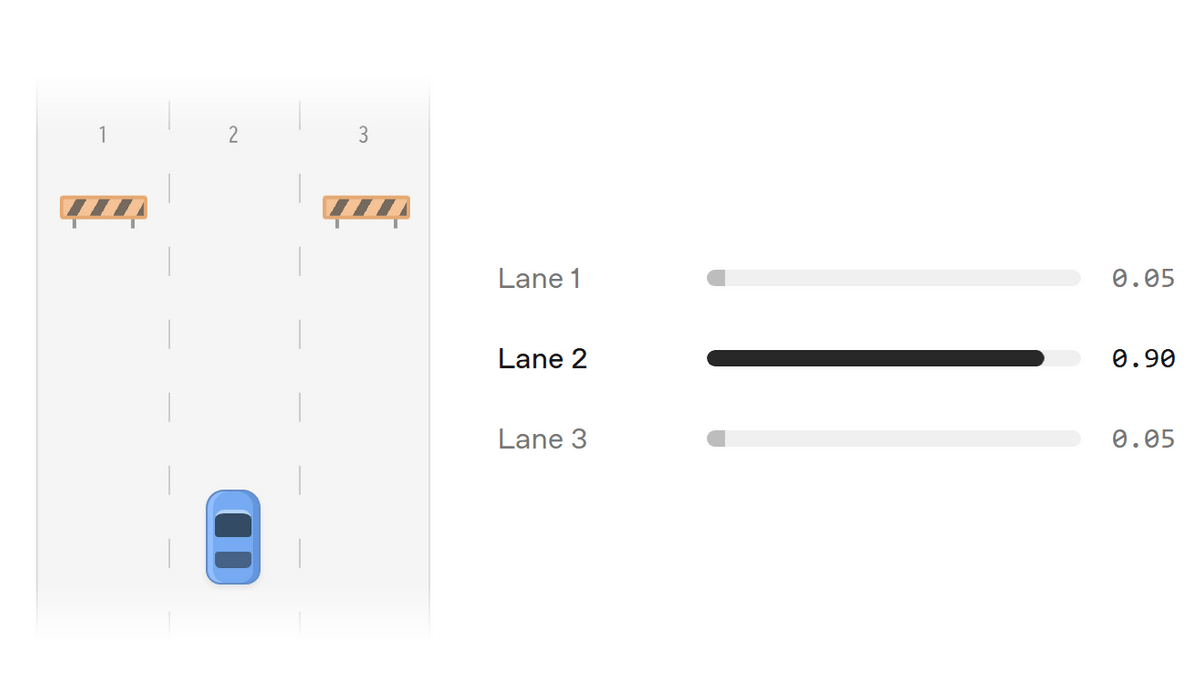
OpenAI released the Decisions API in public beta, saying it makes decisions up to 10x faster than GPT-6 Luna through the Responses API. It is called via a dedicated "POST /v1/decisions" endpoint and runs only on GPT-6 Luna.
Why it matters
It returns compact results such as probabilities, chosen options, and confidence scores, so teams routing large volumes of inquiries or picking an AI agent's next tool can get decisions in near real-time rather than generating full written answers.
What to watch
OpenAI says it plans general availability within a few weeks, and recommends tuning thresholds with labeled data from real apps. Watch whether teams treat low-confidence results as a trigger to send cases for human review.
WHO IT HITSThis lands on developers and support or operations teams that need to route high volumes of inquiries or pick an AI agent's next tool, since the API narrows the job to just returning a decision.
Summaries like this, in your inbox every morning.
The Decisions API is aimed at a narrower job than a general generation API. Ordinary generation APIs carry broad capabilities, including writing full answer text, but tasks like classifying large volumes of inquiries or choosing an AI agent's next tool hinge on the speed of the decision itself. By limiting its purpose to decision-making, the new API is designed to return results quickly.
OpenAI has also built in safeguards against treating its output as final. The company recommends adjusting thresholds using labeled data collected from real applications, weighing the impact of handling something incorrectly against missing something that should have been handled. It also returns a confidence level, so an operation such as sending low-confidence cases to a human can be set up.
How much of this lands may depend on whether developers take OpenAI's advice on threshold tuning, and on general availability arriving within the few weeks the company has indicated. For teams already running high-volume inquiry routing, the appeal is likely to rest on cost and latency rather than raw capability.
Pick your industry and the AI tools you use, and get news related to your work every day.
Free · 30 seconds with Google · unsubscribe anytimeWhat is AIToday? →
Ask AI anything about this article. The AI reads this article, earlier AIToday articles, and Wikipedia, and cites its sources. Q&As are published on this page for other readers too.
SpaceX is seeking roughly US$40 billion in financing to buy Nvidia AI chips, in a deal led by Apollo Global Ma…

OpenAI published 372 mathematical results from an internal frontier model on GitHub, including improvements to…

Anthropic merged its Project Glasswing and CVP programs into three access levels — Defense Access, Red Team Ac…

Common Sense Media said ChatGPT for Teens, introduced in August, is an "unacceptable risk," finding it doesn't…

Rising memory prices are already weighing on 2026 smartphone and notebook shipments, and sustained AI infrastr…

Microsoft's AI chief is pointing to a Nobel laureate's research suggesting only about 5% of human work is at r…