What happened
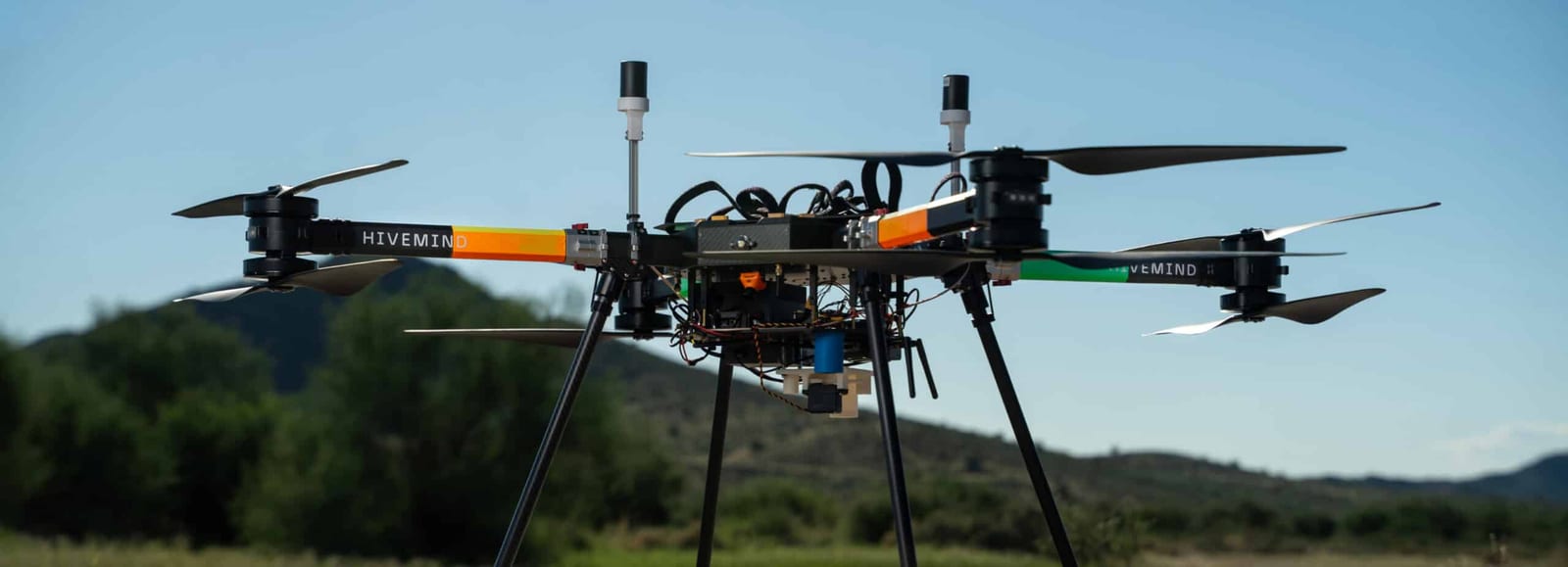
Honeywell Aerospace flew a BFD-SE8 autonomously in mid-June, six weeks after starting Shield AI's Hivemind Enterprise training, then flew a two-aircraft ISR mission near Phoenix on Oct. 8.
Why it matters
Honeywell's engineering leads estimated the first autonomous flight would normally take a year, suggesting Hivemind Enterprise could shorten autonomy development for aerospace and defense teams.
WHO IT HITSDefense and aerospace engineering teams that build autonomous aircraft could cut development time by leaning on platforms like Hivemind Enterprise, though whether this speed carries over to larger aircraft is not stated.
Summaries like this, in your inbox every morning.
The two flights announced by Honeywell Aerospace and Shield AI trace a partnership that has moved quickly since the companies signed a memorandum of understanding in July 2026. Honeywell's autonomy team started Hivemind Enterprise training in late April, flew a Honeywell-owned BFD-SE8 multirotor in mid-June, and held its first official demonstration on July 8 in Plymouth, Minnesota, where the aircraft took off on its own, followed a planned route, rerouted around a no-fly zone, and returned to base.
Work on the second demonstration began immediately after that July flight. Over three months, Honeywell trained and deployed its own target detection and tracking model, built the mission in simulation, and tested it in Minnesota and Arizona before the Oct. 8 flight near Phoenix.
According to Shield AI, Hivemind Enterprise handled the autonomy basics so Honeywell's team could concentrate on its own detection and tracking model. Hivemind has piloted more than 40 platforms, including F-16s, jet-powered uncrewed aircraft, helicopters, uncrewed surface vessels, ground vehicles, and a satellite in low Earth orbit — suggesting the software is being positioned well beyond the single aircraft in this demonstration, though how the Honeywell work will extend to those platforms is not stated.
Pick your industry and the AI tools you use, and get news related to your work every day.
Free · 30 seconds with Google · unsubscribe anytimeWhat is AIToday? →
Ask AI anything about this article. The AI reads this article, earlier AIToday articles, and Wikipedia, and cites its sources. Q&As are published on this page for other readers too.
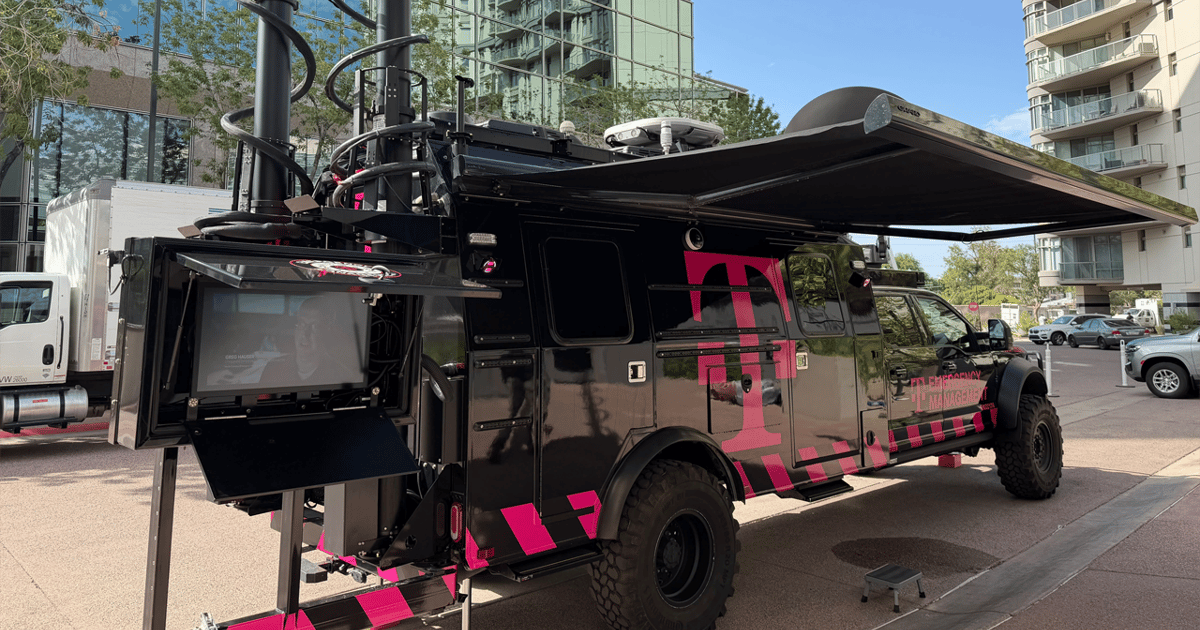
T-Mobile CTO John Saw said the carrier is adding a layer of AI on top of its cell sites, hybrid generators and…
Decagon, an AI agent startup last valued at $4.5 billion, hired a bank to evaluate acquisition interest and he…
American Express introduced its “Intent Intelligence Framework,” which captures a customer's purchase instruct…
Character.AI filed for Chapter 11 bankruptcy Monday

Lowe's underscored a capex push of about US$542.00 million in Q2 fiscal 2026 for digital and fulfillment, and…

Character.ai filed for Chapter 11 bankruptcy, and Disney Worldwide Services committed $20 million as the stalk…