
What happened
Morgan Stanley analysts assessed how lower-cost open-weight AI models—which users can download and run on their own infrastructure—will reshape returns for AI companies. The bank estimates model providers could still achieve 20% to 60% ROIC from owned Nvidia GB300 infrastructure at $1.75 per million tokens, while hyperscalers renting GPU capacity could see 23% to 39% ROIC depending on hourly pricing.
Why it matters
Open-weight models' lower prices and flexibility are expected to drive adoption among enterprises and smaller businesses, but will push token prices down and pressure model laboratories to improve throughput and differentiate services. Morgan Stanley maintained Overweight ratings on Amazon and Alphabet, reasoning that these hyperscalers can monetize scarce computing capacity at lower cost than competitors, offsetting margin pressure through higher usage volumes and connected services revenue (managed APIs, databases, storage, security).
What to watch
Investors should monitor Meta Platforms' Muse models and Alphabet's Gemini Flash products for signs of pricing pressure, adoption trends, and throughput improvements—metrics that will determine whether hyperscaler returns hold up as competition intensifies.
Summaries like this, in your inbox every morning.
The debate around open-weight AI models hinges on a simple tension: lower prices threaten the margins of model developers, but they may strengthen the position of the infrastructure providers underneath. Morgan Stanley's analysis resolves this by separating the two businesses. Model laboratories face real pressure—token prices are expected to fall, forcing them to compete on throughput and differentiation rather than pricing power alone. Yet the hyperscalers that own or rent GPU capacity stand to benefit from the shift. As open-weight models become cheaper and more accessible, adoption should accelerate, and the computing power required to run them becomes a bottleneck that only well-capitalized cloud providers can fill.
The bank's four economic drivers all point to a similar conclusion: scarcity and scale work in the hyperscalers' favor. Computing remains hard to provision; higher usage volumes let cloud providers adjust pricing dynamically rather than eat margin compression; efficiency improvements (faster chips, better software, proprietary silicon like Trainium and tensor processing units) reduce cost per token served; and low-priced model access can anchor a broader relationship with enterprises that spend more on ancillary services. This logic favors Amazon and Alphabet, which own both the chips and the distribution networks to capture value at multiple layers.
Pick your industry and the AI tools you use, and get news related to your work every day.
Free · 30 seconds with Google · unsubscribe anytimeWhat is AIToday? →
Ask AI anything about this article. The AI reads this article, earlier AIToday articles, and Wikipedia, and cites its sources. Q&As are published on this page for other readers too.
In Q2, billionaires or their funds sold six 'Magnificent Seven' AI stocks

Nvidia was rising early Friday, even as the wider chip sector kept falling, Barron's reported

ElevenLabs completed a $300 million employee tender at a $22 billion valuation, and co-founder Mati Staniszews…

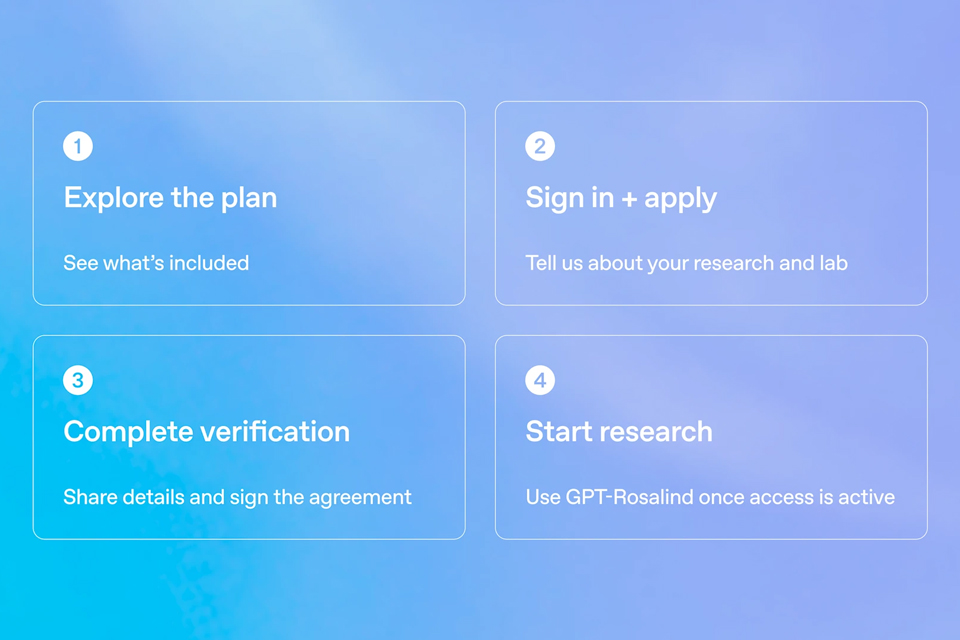
On October 15, OpenAI announced the Rosalind Academic Plan, giving approved US university labs free access to…
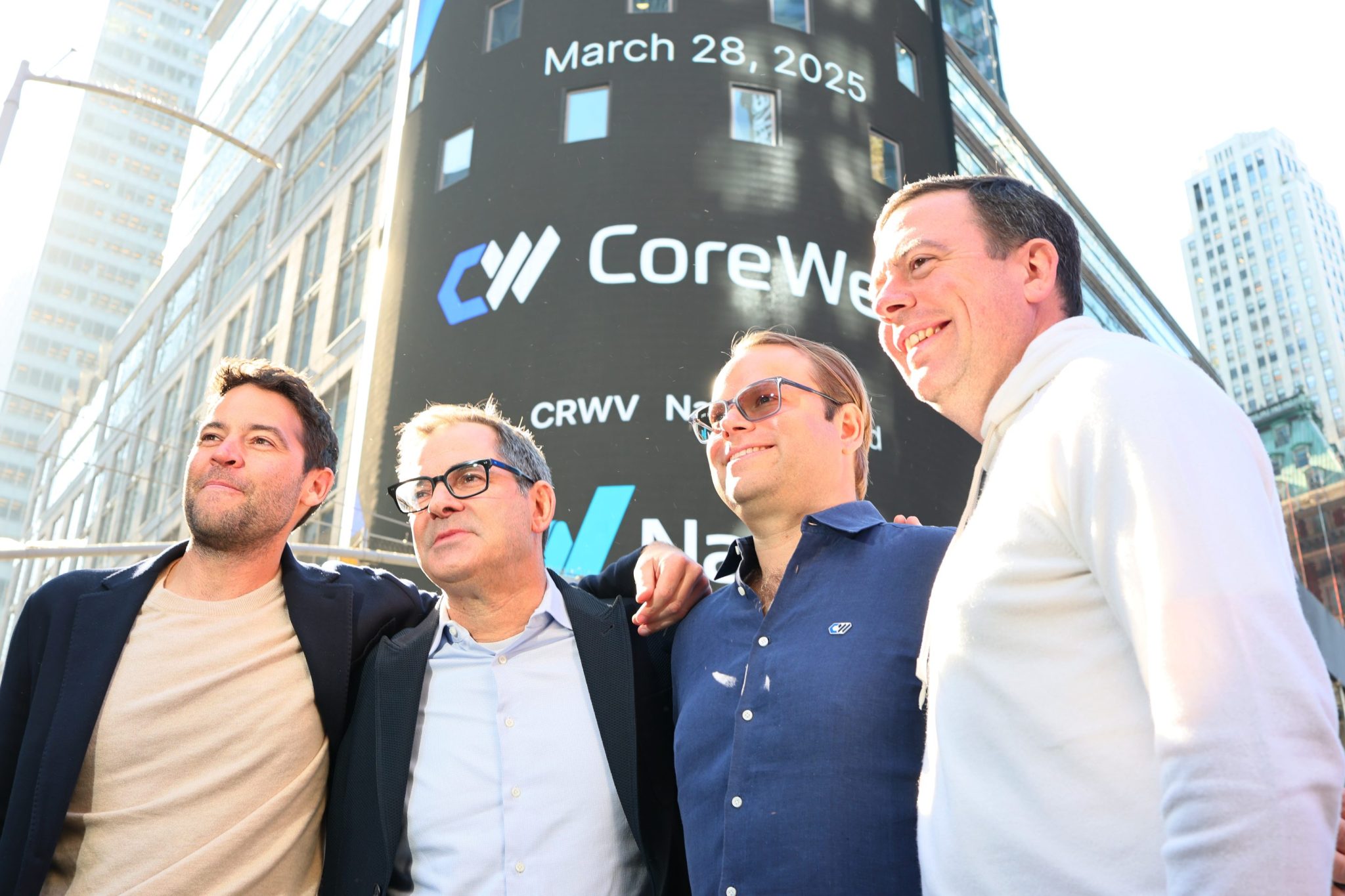
Neostellar Capital principal Evan Schlossman said CoreWeave's $103.7 billion in remaining performance obligati…
A Qiita article compared automated red-teaming methods for LLM apps — GCG, PAIR, and TAP — using mock implemen…