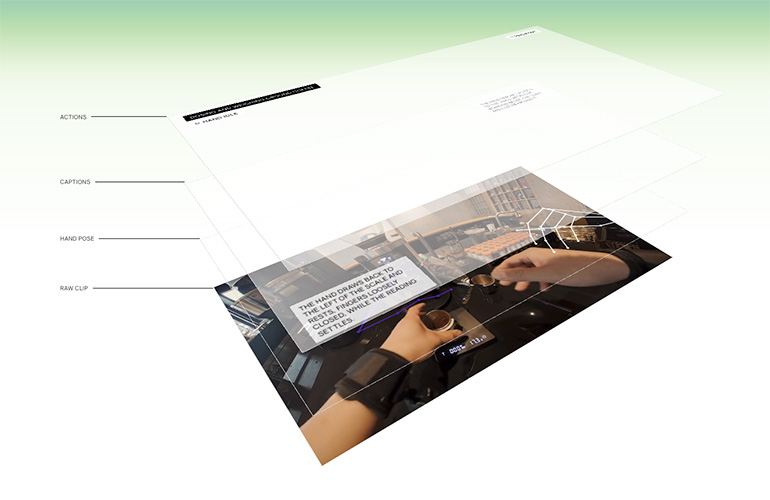
What happened
Memories.ai is building a data pipeline that combines standardized egocentric video collection—using a modular camera setup—with AI-powered annotation, and says it has used NVIDIA Cosmos to interpret video entering its data lake and post-train models for customers.
Why it matters
The company aims to be a long-term data-infrastructure partner for robotics and physical AI, not just a data vendor—tailoring datasets and potentially expanding into models and video infrastructure.
WHO IT HITSRobotics companies developing world models, vision-language-action (VLA) models and humanoids gain a curated, annotated egocentric video source they can use to train robot learning models, with options for exclusive or non-exclusive arrangements.
Summaries like this, every morning.
Memories.ai is positioning itself at the data layer of physical AI. The company obtains egocentric video through data collectors and partners, providing standardized capture hardware—described as a modular camera setup—and a uniform process to collect footage consistently. It then processes and annotates that footage with its own models and makes it available through its data infrastructure.
That infrastructure is described as built for physical AI, robotics, world models, vision-language-action (VLA) models, and humanoids. The company has published multiple elements of its research on GitHub and at ICLR, NeurIPS, and EMNLP events.
A key piece of the pipeline is its use of NVIDIA Cosmos. Memories.ai said last month that it has used Cosmos to interpret video entering its data lake, then curates that data to post-train Cosmos for customers' robotics and industrial applications. This loop turns real-world video into models tailored to the tasks customers need to solve.
CEO Shawn Shen said the company is focused on processing its own data rather than collecting video from a wide range of devices and sources. He described the company's vision as accelerating physical intelligence and being part of the robotics game. The longer-term aim is to be a data-infrastructure partner for robotics and physical AI, not just a data vendor.
Pick your industry and the AI tools you use, and get news related to your work every day.
Free · 30 seconds with Google · unsubscribe anytimeWhat is AIToday? →
Ask AI anything about this article. The AI reads this article, earlier AIToday articles, and Wikipedia, and cites its sources. Q&As are published on this page for other readers too.
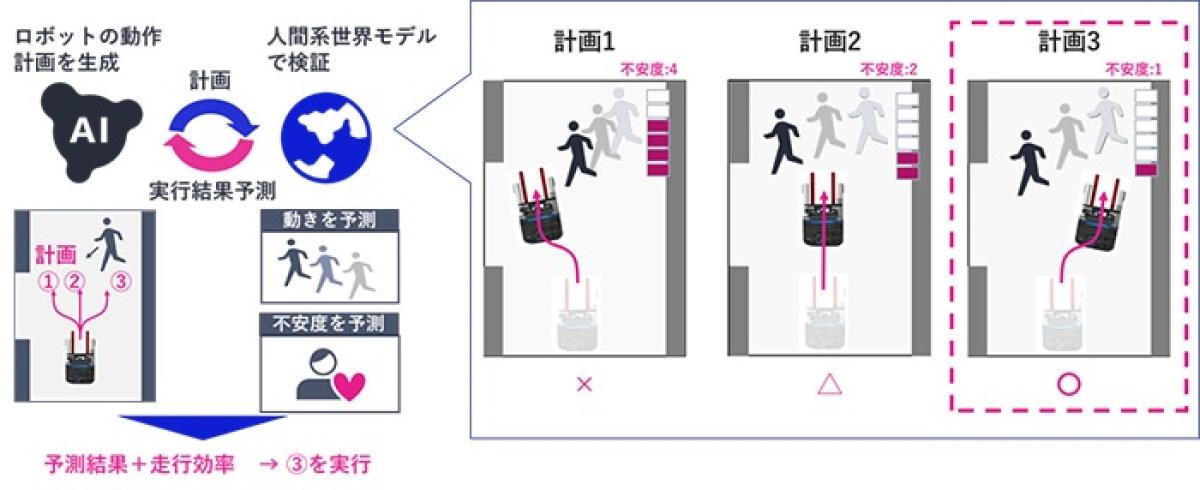
NEC has built an AI it calls the 世界初AI that infers a person's intentions and feelings, letting a robot decide…
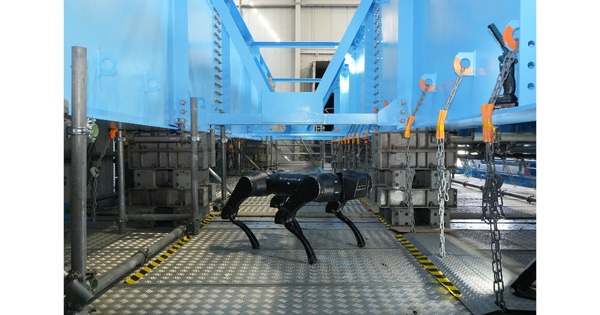
Kawada Industries and Highlanders jointly developed a system in which a quadruped walking robot and AI analyze…
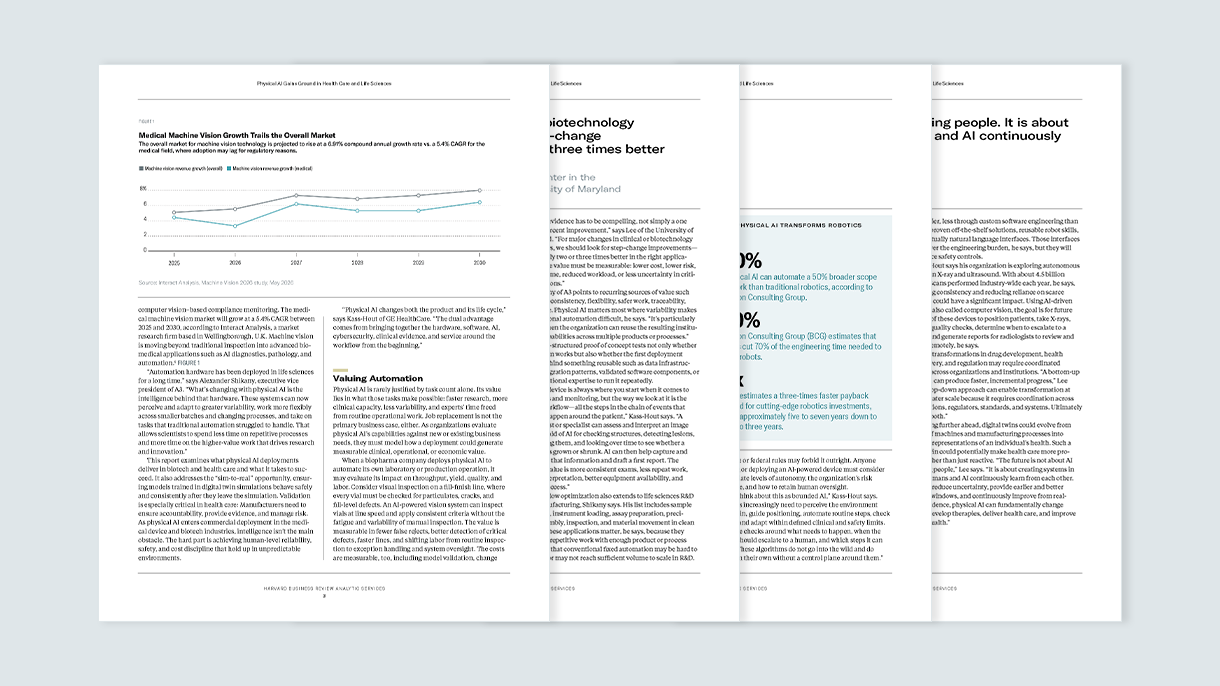
SoftServe reports that biopharma and medtech companies have pushed AI past analytics and digital workflows int…
Will Knight used GPT-6 Sol, plus Nous Research's Hermes harness and an Nvidia DGX Spark, to train a simulated…

Google DeepMind debuted Gemini Robotics 2.5, a vision-language-action model for robots, which packed automotiv…
A Reddit user (u/Proud_Prior_6406) shared a ROS 2 agent skill for Claude Code and Codex that bundles QoS check…