AWS explains how to prepare data for supervised fine-tuning.
It covers quality, formatting, and splits.
High-quality data beats large volumes, and careful curation can match models trained on much more data.
What happened
AWS published the first part of a two-part series on preparing data for supervised fine-tuning (SFT), covering quality checks, formatting requirements, and train/evaluation splits.
Why it matters
Getting data preparation right determines the ceiling of any SFT project, and the post highlights that quality beats quantity—LIMA showed 1,000 carefully curated examples can match models trained on far more data, and AlpaGasus showed filtering to the cleanest 20 percent can train faster and score higher.
What to watch
The post recommends a conversational JSONL format with strict role alternation, including system prompts and reasoning traces (e.g., using reasoningContent) for reasoning-capable models, with the second post to cover advanced strategies like data mixing and augmentation.
Ask the AI about this article →
This post is part of a series aimed at practitioners who have decided to fine-tune a foundation model, laying the groundwork before advanced strategies like data subset selection and augmentation. It positions data preparation as the key determinant of fine-tuning success, with a clear emphasis on quality over quantity, citing LIMA and AlpaGasus to support this. The guidance is model-agnostic, though it references Amazon Bedrock and Amazon Nova 2.0 for formatting examples, which may encourage adoption of AWS's tooling. The first post's focus on fundamentals—quality checks and formatting—sets the stage for the second post, which will cover more advanced techniques, suggesting a comprehensive approach to SFT data preparation within the AWS ecosystem.
For example, today's edition would include:
AI-summarized, only the topics you pick — one digest a day via Email, Slack, or Discord.
Free · takes 30 seconds · unsubscribe anytimeWhat is AIToday? →
Ask AI anything about this article. Q&As are published on this page for other readers too.
Israeli startup DataAgent Ltd
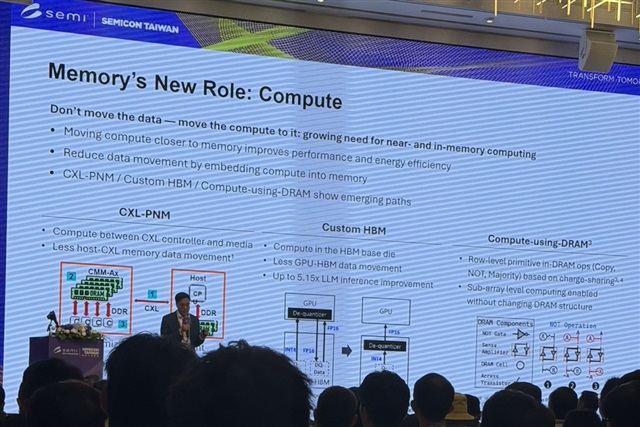
SK Hynix presented a custom HBM concept at SEMICON Taiwan 2026, where compute functions are placed in the base…
Nvidia reported earnings that were both remarkable and boring, reflecting its focus on avoiding a consolidated…

Anthropic has agreed to a $35bn cloud-computing contract with Lambda, a Nvidia-backed cloud provider

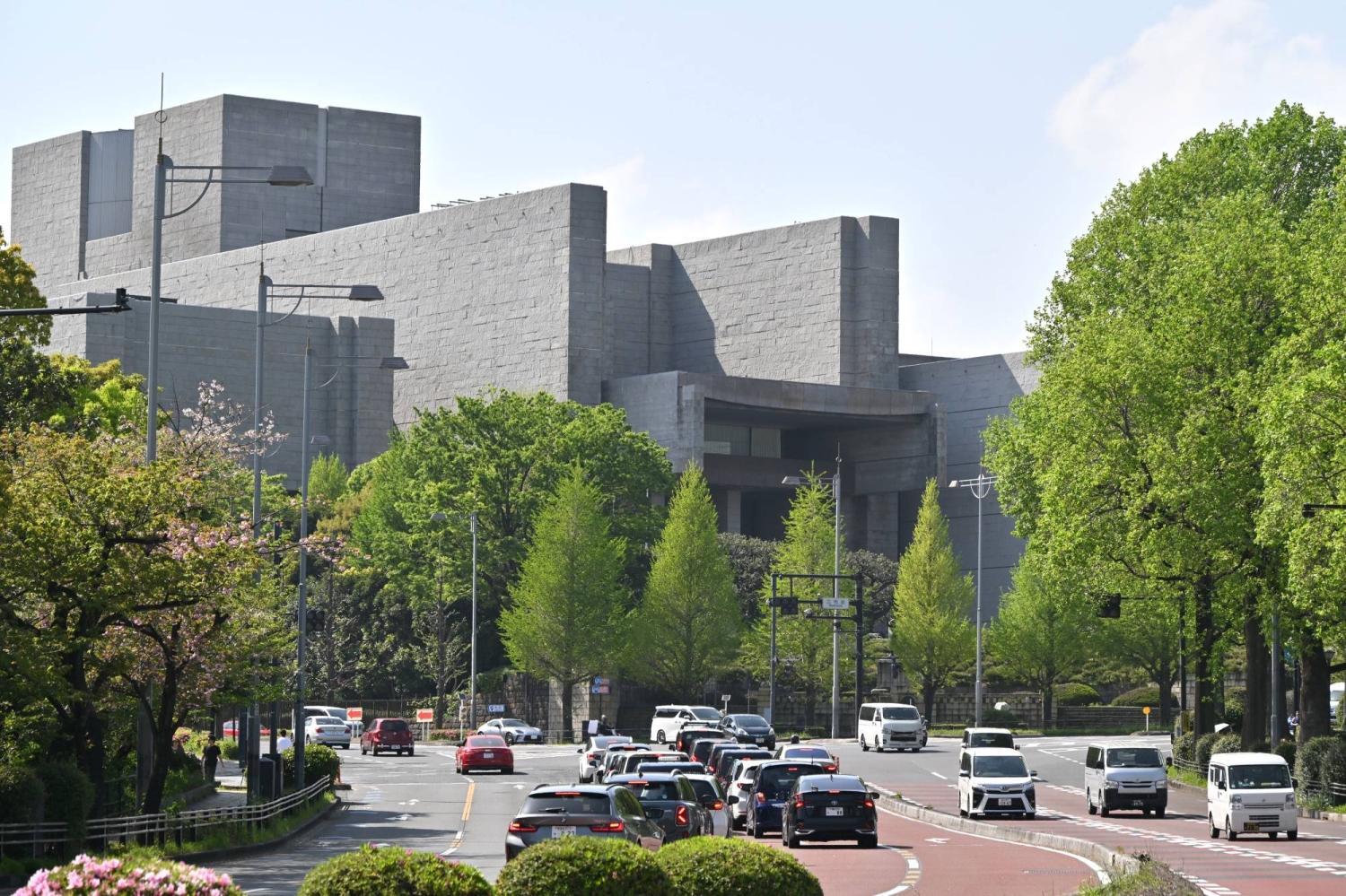
The Supreme Court of Japan has included about ¥60 million in its fiscal 2027 budget request for AI-related exp…
The Consumer Affairs Agency said Tuesday it will use generative AI to analyze about 900,000 annual consultatio…