OpenAI is shutting down Atlas, the AI browser it launched in October, and redistributing its capabilities across ChatGPT's desktop app and a Chrome extension. The company concluded that building a standalone browser was not the right approach after watching competitors like Perplexity and The Browser Company do the same. Instead, it is embedding AI browsing features into existing tools—particularly Chrome—where people already spend time online.
Summaries like this, in your inbox every morning.
Sign up free →What happened
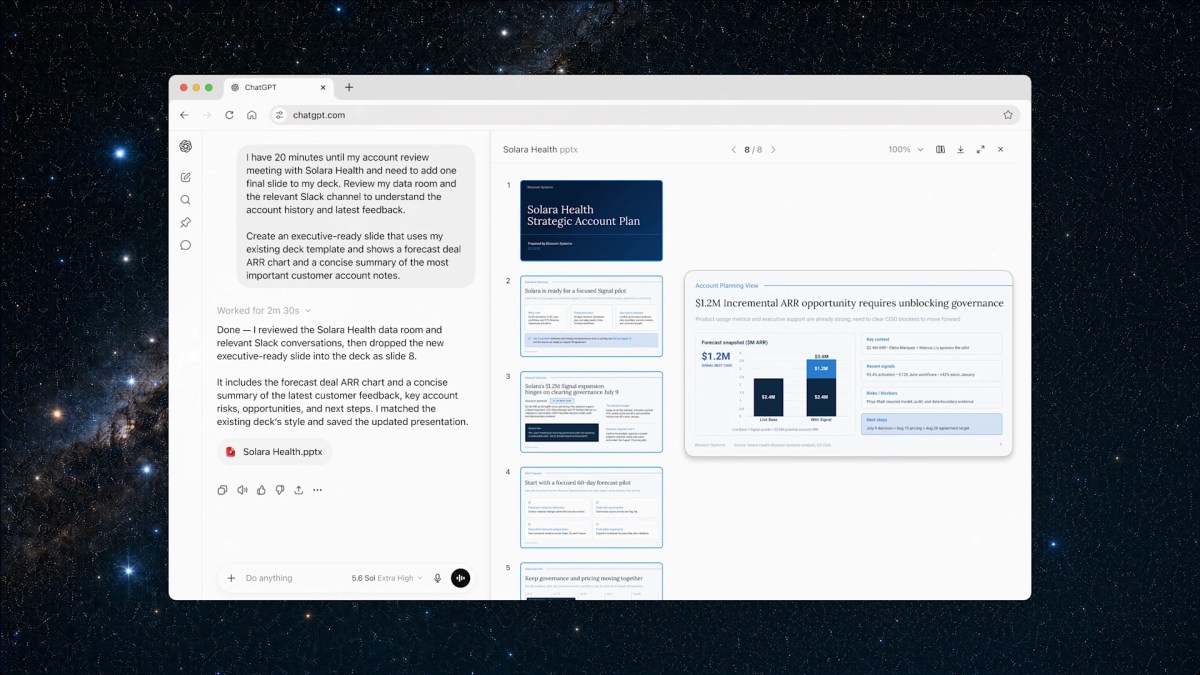
OpenAI is discontinuing Atlas, its AI-powered browser launched in October, and moving its browsing capabilities into ChatGPT's desktop app and a new Chrome extension. The Chrome extension lets users ask questions about web pages and summarize content, while the desktop app now includes a more robust browser and a cloud-based agent that can complete tasks on users' behalf.
Why it matters
After months of competition in which Perplexity, The Browser Company, Google, and Microsoft all launched or upgraded AI-powered browsers, OpenAI has concluded that the browser itself is a feature rather than the destination. By embedding these tools into spaces where people already work—particularly Chrome—OpenAI is meeting users where they are instead of asking them to switch applications.
What to watch
The Chrome extension is a direct competitor to Google's Gemini Side Panel, which performs similar summarization and question-answering tasks. The move follows CEO Fidji Simo's directive to cut back on "side quests," which also led OpenAI to shut down its Sora video-generation tool.
For much of the past year, the AI industry pursued an aggressive strategy to unseat Chrome as the primary place where people spend time online. Perplexity launched Comet, The Browser Company launched Dia, and both Google and Microsoft upgraded their own browsers with AI features. OpenAI joined this wave by launching Atlas in October with ChatGPT at its core. However, after a few months of testing, the company appears to have reached a different conclusion than its competitors: that a dedicated AI browser may not be where the market is headed.
Instead of doubling down on a standalone product, OpenAI is taking the agentic browsing capabilities it developed and distributing them across existing platforms—particularly Google Chrome, where users already spend significant time. This shift aligns with broader priorities set by OpenAI's CEO of applications Fidji Simo, who recently directed teams to abandon "side quests" in favor of core products. That same mandate led OpenAI to shut down Sora, its AI video-generation tool. The strategy reflects a pragmatic view: rather than ask users to switch applications, embed powerful AI features into the tools they already use. The Chrome extension becomes a direct competitor to Google's own Gemini Side Panel, turning ChatGPT itself into what OpenAI describes as "a continuous workspace that spans Chrome, the desktop app, and an AI agent."
No comments yet. Be the first to share your thoughts!
Log in to join the discussion




Get curated AI news from 200+ sources delivered daily to your inbox. Free to use.
Get Started FreeFree · takes 30 seconds · unsubscribe anytime
1 minute a day. The AI essentials.
200+ sources · Email / LINE / Slack
