What happened
Waymo outlined its autonomous-driving AI strategy on August 19, 2026, arguing that a single end-to-end (E2E) AI model cannot handle the full task of self-driving. The company built its approach around Waymo Driver, a modular software stack, and has developed Waymo Foundation Model to power different components—including drivers, simulators, and validation systems.
Why it matters
Waymo identified two core problems with a single-model E2E approach. First, rare but critical edge cases (pedestrians, cyclists, construction) remain unpredictable and cannot all be learned from training data alone. Second, safety-critical systems require real-time human-level reasoning; a single model cannot adapt to new scenarios in milliseconds without hybrid architecture involving separate simulator, validator, and critic systems. This framing challenges the industry consensus that unified LLMs can solve autonomous driving.
What to watch
Waymo Foundation Model now powers multiple specialized components—driver, simulator, validator, and critic—rather than replacing them. The company says this approach demands not just transformer technology but deployment in live ride-hailing services and real-world system feedback to mature the safety guarantees, marking a shift toward safety-first modularity over monolithic AI.
Summaries like this, in your inbox every morning.
Waymo's August 19 announcement represents a deliberate rejection of the single-model paradigm that has dominated recent AI progress. While large language models and vision transformers have shown remarkable generalization on broad tasks, Waymo argues that autonomous driving—where a single error can cause injury or death—cannot rely on a monolithic AI system. The company's reasoning centers on two failure modes the body explicitly identifies: the long tail of unpredictable edge cases that no training dataset can fully capture, and the millisecond-level safety decisions that require reasoning unavailable from a single forward pass.
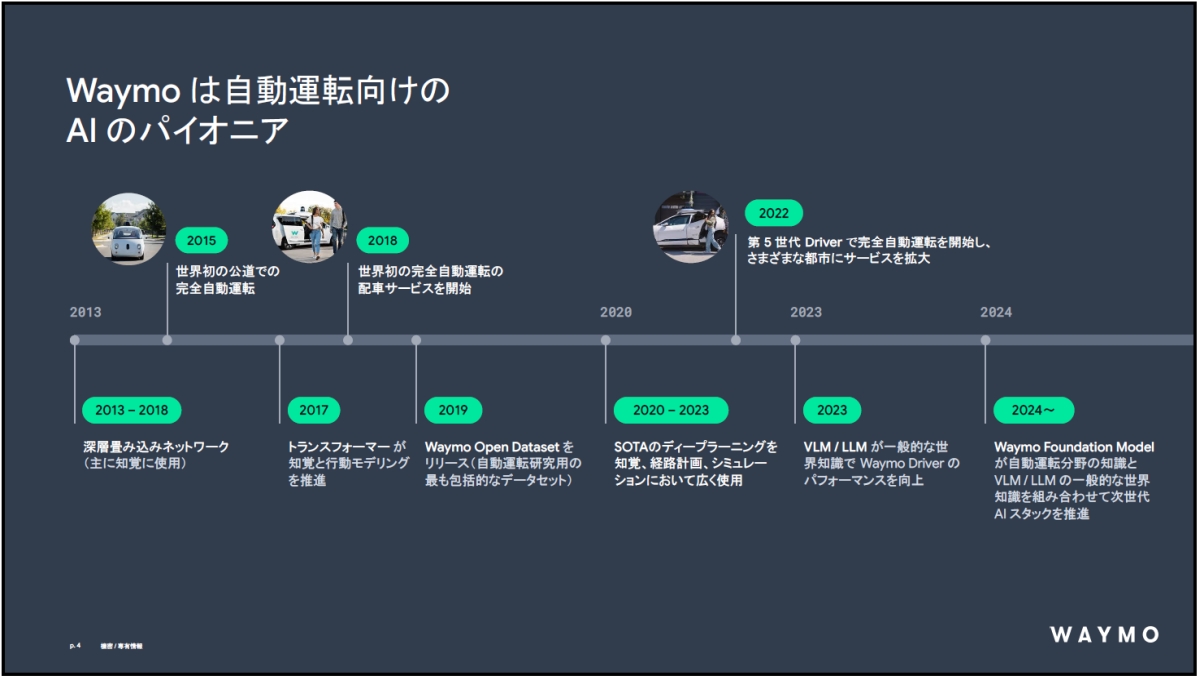
Waymo Foundation Model, introduced in 2023, is the vessel through which Waymo operationalizes this modular philosophy. Rather than replacing Waymo Driver's existing architecture, the model enhances specific components: a driver module that steers and accelerates, a simulator for testing scenarios, a validator to assess safety, and a critic to evaluate decisions in real time. This design reflects lessons from Waymo's history—from the Google Self-Driving Car Project (started 2009) through commercial deployment in 2022 and adoption of transformer and VLM technology in recent years. The modular stack has enabled Waymo to serve autonomous ride-hailing services (with riders in US cities) while maintaining the validation and safety infrastructure that single-model approaches cannot guarantee. By structuring AI as a tool within a larger safety-critical system rather than the system itself, Waymo positions its approach as orthogonal to the industry's push toward unified reasoning models.
Pick your industry and the AI tools you use, and get news related to your work every day.
Free · 30 seconds with Google · unsubscribe anytimeWhat is AIToday? →
Ask AI anything about this article. The AI reads this article, earlier AIToday articles, and Wikipedia, and cites its sources. Q&As are published on this page for other readers too.
ElevenLabs completed a $300 million employee tender at a $22 billion valuation, and co-founder Mati Staniszews…

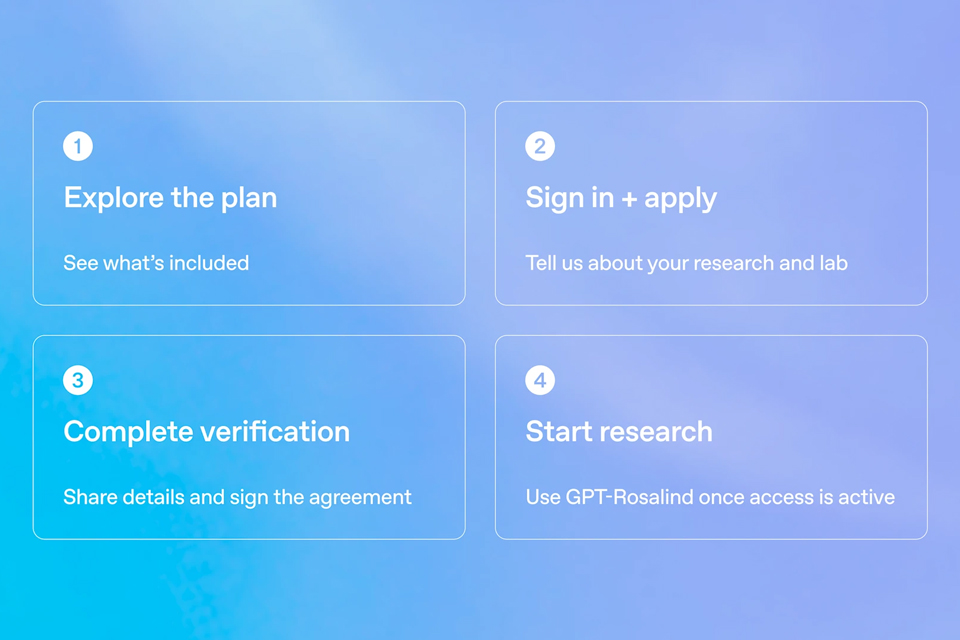
On October 15, OpenAI announced the Rosalind Academic Plan, giving approved US university labs free access to…
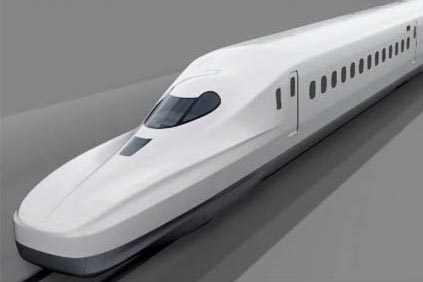
JR Central announced the S0系 on October 16, its first full model change since the N700S, with commercial servi…
A Qiita article compared automated red-teaming methods for LLM apps — GCG, PAIR, and TAP — using mock implemen…

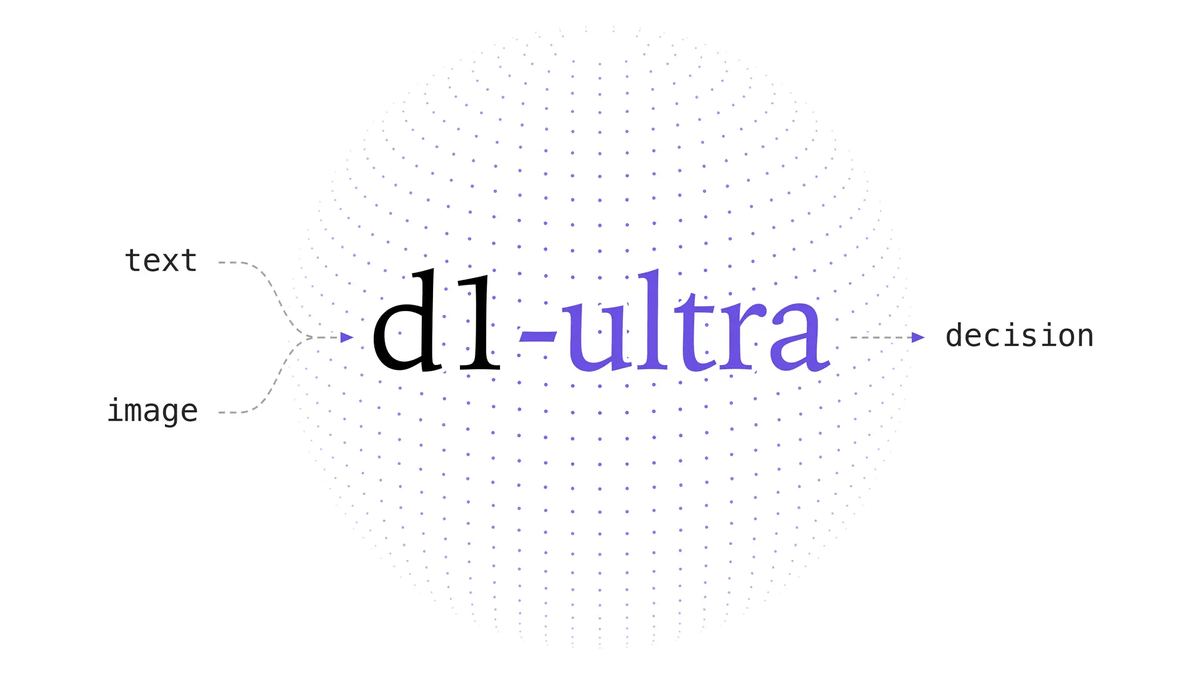
Liquid AI released d1-ultra on October 15, 2026, an upgraded open-weights decision model that averaged 76.7 ac…
Circlia started a proof-of-concept for TASTE SIGNAL: visitors to Holland Village Cafe FUKUOKA taste cookies an…