What happened
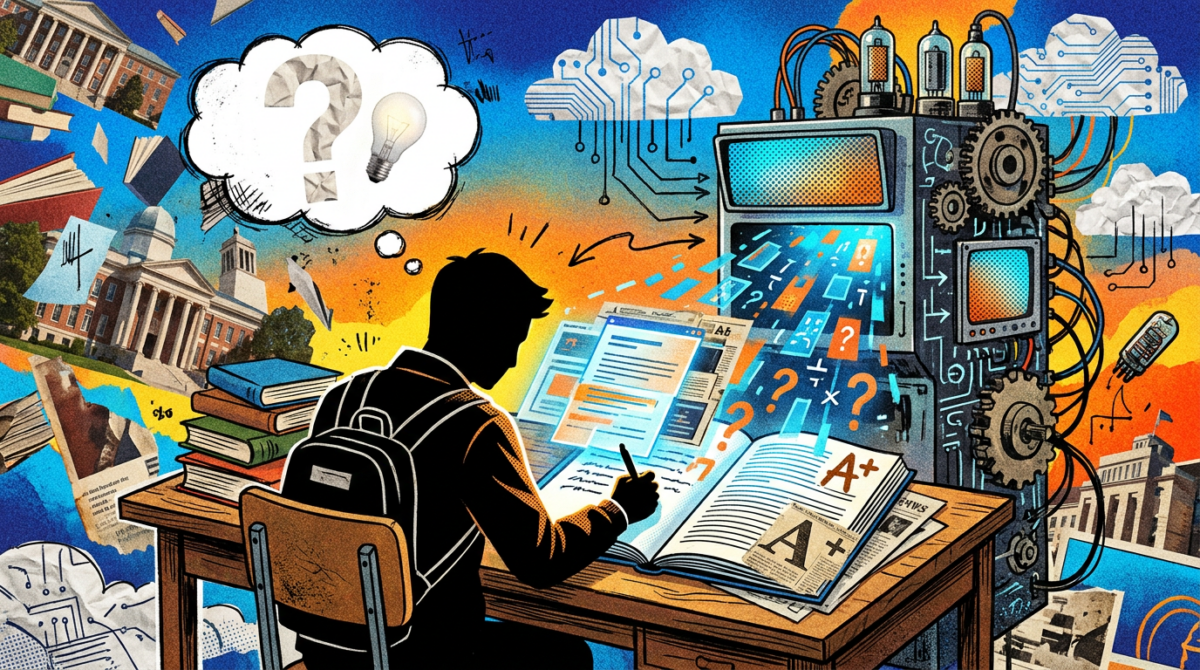
A randomized experiment with 1,053 freshmen at Bocconi University found that GPT-4o helped students earn significantly better grades on a business assignment, scoring nearly a full point higher on a 1-to-5 scale.
Why it matters
The study suggests that current grading systems reward polish and structure, not understanding. Since AI can produce expert-like work, grades alone may not reflect what students actually learn.
What to watch
A short lesson on causal reasoning didn't raise traditional scores but encouraged more diverse ideas and deeper thinking. Combining it with GPT-4o didn't improve scores further, and no follow-up test measured retained knowledge.
Summaries like this, in your inbox every morning.
This study adds to a growing body of evidence that AI can improve task performance without improving underlying skills. A prior analysis of over 500,000 US college grades found that top grades increased most in writing and programming courses with heavy homework after ChatGPT's launch. Controlled experiments showed that when AI was removed, participants performed worse than a control group, especially those who used GPT for direct answers. A 30-month study of 26,000 students in China found homework improved but exam scores dropped, with entrance exam results 18 to 24 percent lower over the long term.
The Bocconi experiment highlights a tension in education: current grading rewards conventional, polished answers, not originality or deep reasoning. The authors argue for changing grading criteria to explicitly reward originality and reasoning. However, as the article notes, this would likely require systemic changes. The study also has limitations: it involved only freshmen at one university, randomization was at the class-section level, and some measures were evaluated by AI models, including from OpenAI, which was involved in the research. Whether the GPT advantage reflects actual learning or just better output remains an open question.
Pick your industry and the AI tools you use, and get news related to your work every day.
Free · 30 seconds with Google · unsubscribe anytimeWhat is AIToday? →
Ask AI anything about this article. The AI reads this article, earlier AIToday articles, and Wikipedia, and cites its sources. Q&As are published on this page for other readers too.
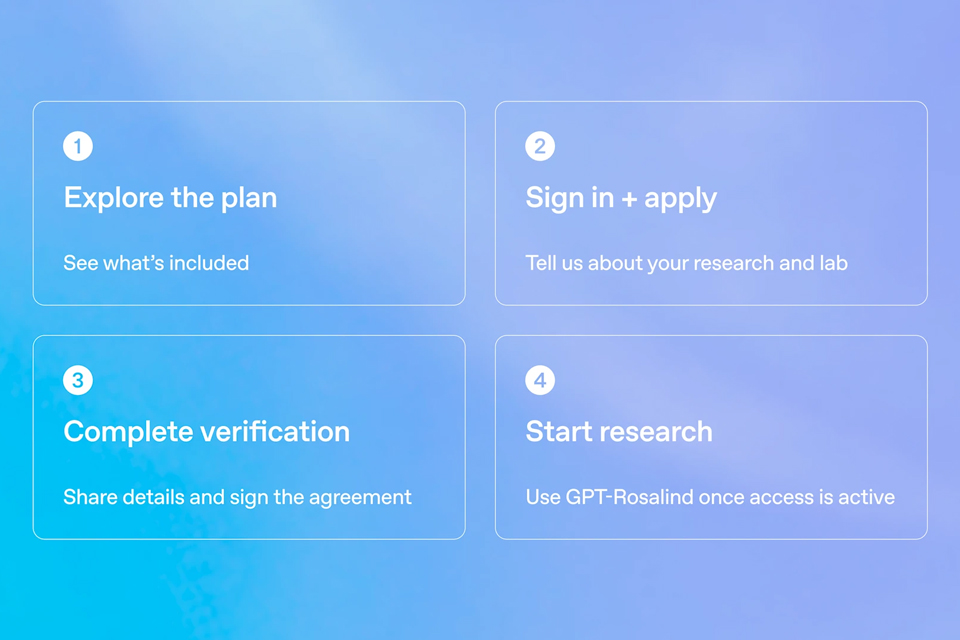
On October 15, OpenAI announced the Rosalind Academic Plan, giving approved US university labs free access to…
Supermicro Computer appointed Mark Long as chief financial officer, bringing an experienced technology finance…

Holtek Semiconductor unveiled its 2026 product roadmap on October 15, focusing on four core areas: smart prote…
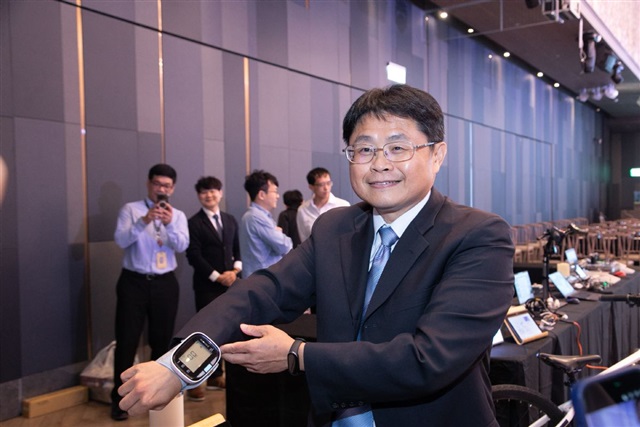
TSMC reported about NT$763.1b in Q3 net profit and confirmed that demand for advanced processors is running ah…
Nvidia-backed CoreWeave steadied Thursday after a sharp slump, as investors worried about the debt financing b…
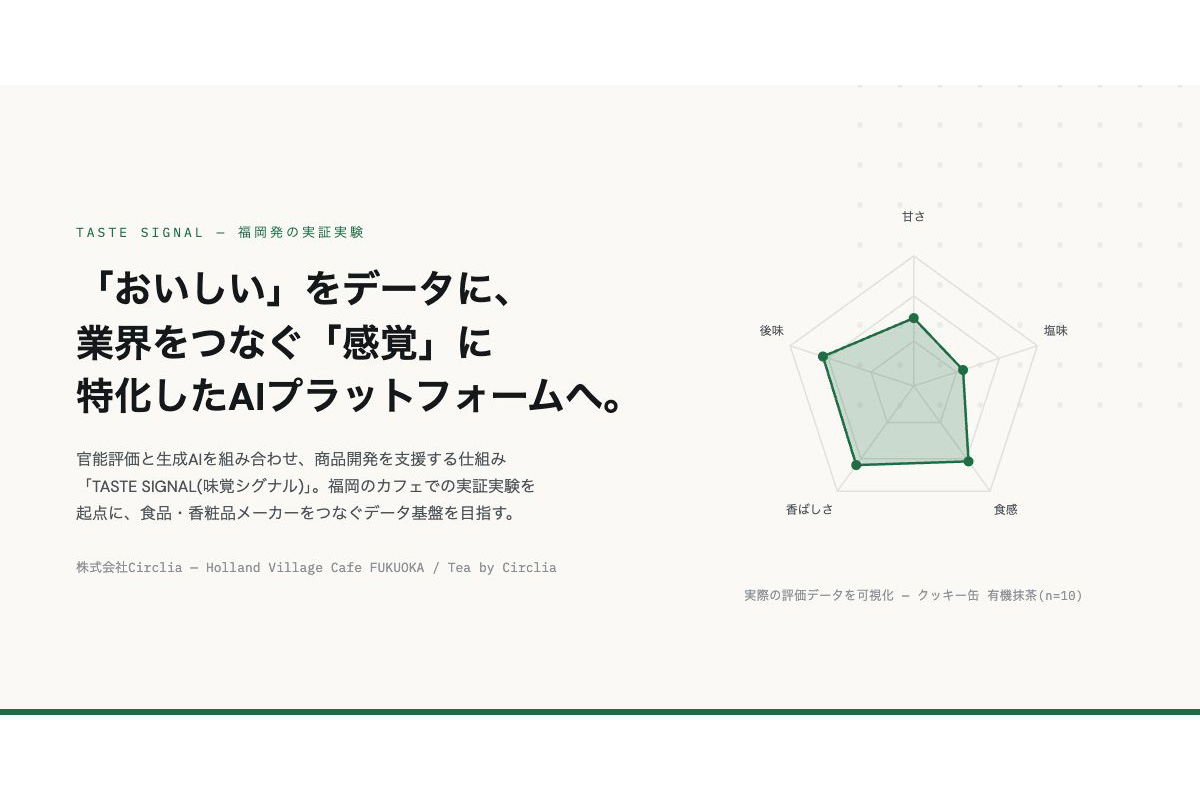
Circlia started a proof-of-concept for TASTE SIGNAL: visitors to Holland Village Cafe FUKUOKA taste cookies an…