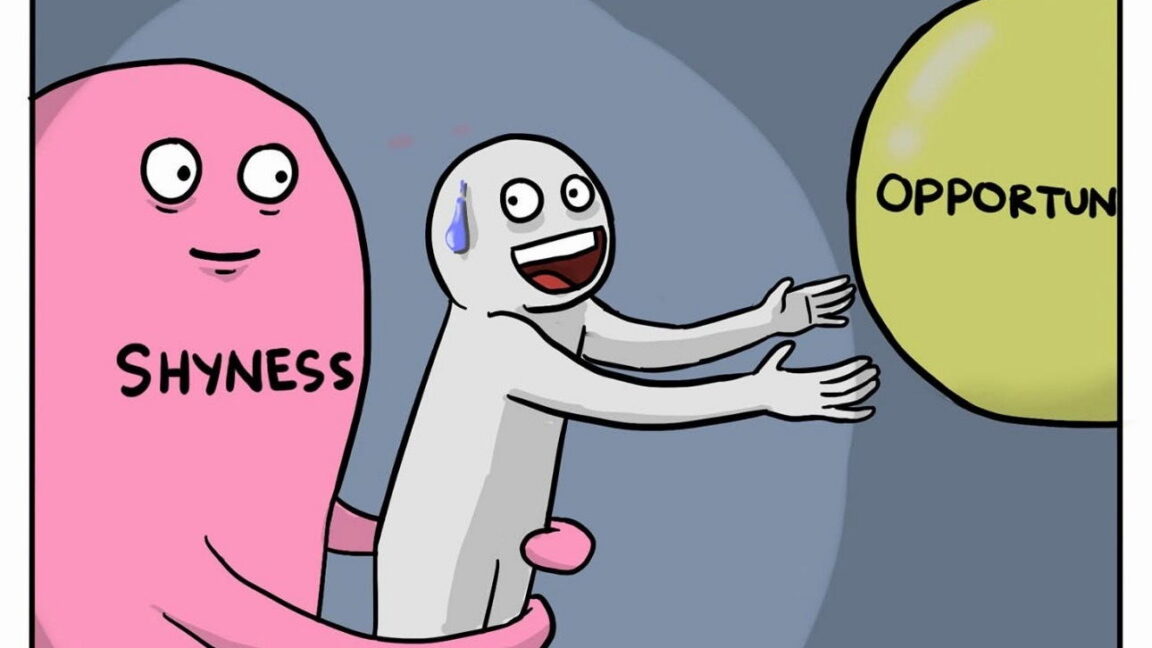
Artist Elmer Saflor sued AI meme generator Memes Apps for selling his popular "Running Away Balloon" comic as a paid ad template without permission. Internet law expert Eric Goldman said Saflor's case is grounded in precedent—a 2024 court ruled that memes used in ads require permission—but cautioned the court may hesitate to rule too broadly, since doing so could risk undercutting the entire meme ecosystem. Saflor is asking the court to stop the platform's use of his work and account for all ads generated from it.
Summaries like this, in your inbox every morning.
Sign up free →What happened
Elmer Saflor, creator of the "Running Away Balloon" meme, filed a lawsuit against Memes Apps, LLC (which operates Memes.ai and Memes AI Studio) for allegedly violating copyright by selling paid subscriptions to an ad generator that produces copies of his comic without permission. The platform offers subscription tiers at $40 or $199 monthly and works with more than 40 brands that generate up to 1,000 ads monthly to more than 75 million social media followers.
Why it matters
Internet law expert Eric Goldman said Saflor has started "on the right foot," citing a 2024 court ruling on the "SuccessKid" meme that found meme usage in ads is not fair use without permission. The case raises broader questions about how AI-powered platforms can commercialize creators' copyrighted work and what licensing obligations they may have—stakes that could extend beyond the meme ecosystem to major AI copyright disputes.
What to watch
Saflor is seeking an order for Memes Apps to stop using his comic as a template and wants a complete accounting of all ads using his work to reclaim profits. Goldman cautioned that proving harm could be difficult if no advertisers actually used Saflor's meme in ads, and the court may move cautiously given the risk that a ruling against the generator could affect the entire meme ecosystem.
Elmer Saflor, a digital creator from the Philippines who goes by "Superelmer," created the "Running Away Balloon" comic, a two-panel image in which a man chases a yellow balloon labeled "opportunities" while a pink blob character labeled "shyness" holds him back. Since 2017, millions of people have shared and remixed it as a meme on social media, using it to express personal frustrations. Saflor said he never tried to stop people from making memes with his comic and was proud it resonated across Internet culture. However, he discovered that Memes Apps, LLC—which operates the content creation platforms Memes.ai and Memes AI Studio—was selling paid subscriptions to an ad generator that produces copies of his comic without permission. The platform offers subscription tiers at $40 or $199 monthly and works with more than 40 brands generating up to 1,000 ads monthly to more than 75 million social media followers. Saflor filed the lawsuit earlier this month to compel discovery and raise "broader questions about how AI-powered platforms use creators' work, what licensing obligations they may have, and how copyright law applies when viral Internet culture becomes a commercial product." He acknowledged that he had not contacted Memes Apps before filing and had not seen examples of his meme used in ads generated by the platforms.
Internet law expert Eric Goldman told Ars that Saflor's case is grounded in recent precedent. In 2024, a court ruled that the "SuccessKid" meme could not be used in a campaign ad without permission, implying that "meme usage for noncommercial purposes is likely fair use, while meme usage in ads isn't." Goldman said Saflor had started "on the right foot" and was "telling the right story for the judge" in his complaint. However, Goldman noted that targeting the meme generator rather than individual advertisers is a gutsy strategy that could create "a whole host of other legal dilemmas." If the court rules too broadly in Saflor's favor, Goldman warned, the decision could "risk undercutting the entire meme ecosystem," giving the court reason to "check more cautiously" and making a win harder for Saflor. One potential turning point is the "packaged deal" that Memes Apps offers—subscription tiers granting access to template memes—which Goldman said "could doom the meme generator's defense" unless Memes Apps can prove the model is common in the industry. Another obstacle for Saflor is proving harm; if no advertisers actually used his comic, the legal case weakens. Saflor is seeking an order for Memes Apps to stop using his comic as a template and a complete accounting of all ads generated from it to reclaim profits. Goldman cautioned that calculating damages may be difficult because subscriptions make it hard to assess the value of a given meme to the platform.
Saflor emphasized that his fight is personal. He said the comic came from a "deeply personal place" and that he never imagined it would resonate with millions or become part of Internet culture. "Just because something becomes a meme," he said, "doesn't mean the creator loses their rights." He thinks that allowing companies to "commercially exploit those works without permission simply because they've become popular online" sets a "dangerous precedent," particularly as AI products scale up their use of copyrighted works. Saflor uses AI tools himself and does not believe AI is inherently the problem; rather, he considers Memes Apps' platforms irresponsible because they advertise that you can "fire your ad agency" and replace all creative work with a meme generator. Goldman pointed out that Saflor's arguments against Memes Apps would largely be the same even without the AI aspect. Goldman also noted that while the meme copyright case is niche, a win for Saflor could resonate beyond the meme ecosystem and inform some of the biggest AI copyright fights. The fact that the meme generator's outputs include actual copies of Saflor's original work is significant; in high-stakes AI copyright disputes, model makers typically argue that original works do not appear in outputs, so cases where copyright owners can prove identical outputs are "much higher stakes for the defendants." However, Goldman said he does not think the meme case is likely to have broad impact, since "meme generators are just such a niche because of the fact that they're memes," which inherently require copying without permission to function.
Saflor's lawsuit targets a fundamental tension in how copyright law and Internet culture interact. The "Running Away Balloon" comic became a meme precisely because millions of users shared it without permission—a feature, not a bug, of how memes function online. Internet law expert Eric Goldman noted that "memes that grow organically from the multiple individual decisions to copy it without permission" create a paradox: copyright law and meme culture are structurally misaligned. What makes a meme work (unrestricted copying) contradicts what copyright protects (the creator's exclusive right to copy). Saflor's case hinges on distinguishing between noncommercial fan remixing and commercial exploitation by a platform operator. A 2024 ruling on the "SuccessKid" meme supports this distinction—ads require permission even if casual sharing does not. However, Goldman warned that if the court rules too broadly in Saflor's favor, it could jeopardize the entire meme generator industry, potentially giving courts pause. The stakes are amplified by scale: Memes Apps operates platforms used by more than 40 brands generating up to 1,000 ads monthly to more than 75 million social media followers, making the commercial dimension undeniable. Yet proving harm requires showing that advertisers actually used Saflor's meme in ads—a detail Saflor has not yet confirmed.
AI-summarized, only the topics you pick — one digest a day via Email, Slack, or Discord.
Free · takes 30 seconds · unsubscribe anytime
No discussion yet for this article
Get curated AI news from 200+ sources delivered daily to your inbox. Free to use.
Get Started FreeFree · takes 30 seconds · unsubscribe anytime

