What happened
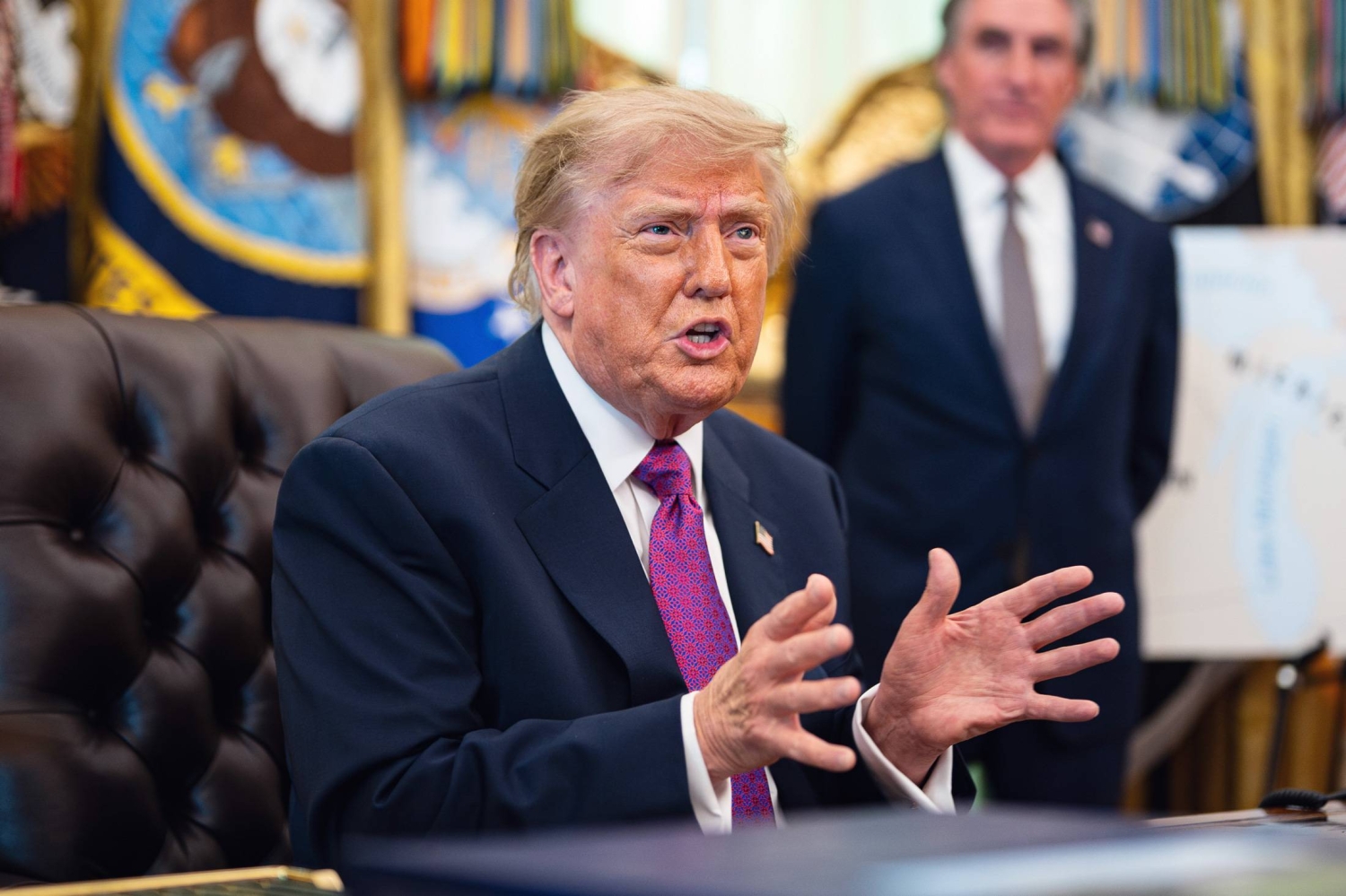
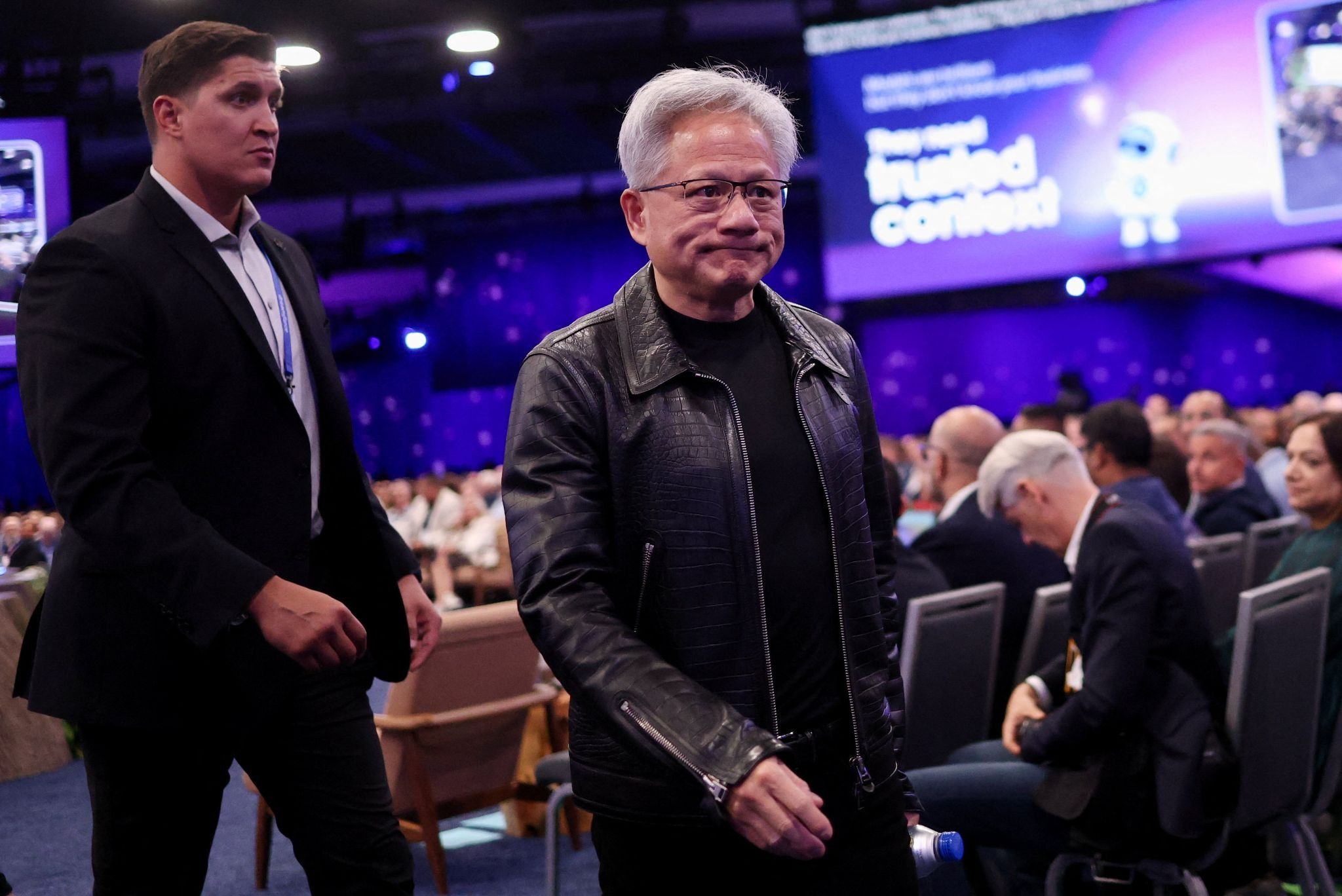
Nvidia CEO Jensen Huang sided with Meta's chief in rejecting calls to coordinate an AI slowdown, saying AI safety needs no regulation. OpenAI CEO Sam Altman said his firm is collaborating with Anthropic and Google as they look to contain fears surrounding the technology.
Why it matters
The split among top tech leaders points to a growing rift in the industry over how, or whether, to regulate AI.
What to watch
Experts fear the window for regulation in the US is closing fast ahead of midterm elections, which risk interrupting the momentum sparked by a researcher's warning that advanced AI is spiraling out of control.
WHO IT HITSThe divide lands directly on policymakers weighing AI rules and on enterprises that must decide which vendor's safety posture to trust. It also matters to AI research teams whose work on containing the technology depends on whether coordination wins out.
Ask the AI about this article →
Summaries like this, in your inbox every morning.
The disagreement is not abstract: Sam Altman last week called not only for US regulation but also for a compact between Washington and Beijing, and now says OpenAI is collaborating with Anthropic and Google as they look to contain fears surrounding the technology. Jensen Huang, for his part, sided with Meta's chief in rejecting calls for coordinating an AI slowdown, saying AI safety needs no regulation.
The two positions sit inside a widening rift in the industry, and the timing is not neutral. Experts fear the window for regulation in the US is closing fast ahead of midterm elections, which risk interrupting the momentum sparked by a researcher's warning that advanced AI is spiraling out of control. That warning is what gave the push for rules its current energy, so an election cycle that pushes the issue off the agenda could leave the industry's own divide unresolved.
What happens next appears to hinge on whether the momentum from that warning survives the midterm elections, and on whether the firms now talking to each other can present a common front. For policymakers drafting rules and for enterprises choosing which vendors' safety claims to rely on, the practical question is whether cooperation among the largest players outpaces the pushback from others — an outcome that remains undecided.
For example, today's edition would include:
AI-summarized, only the topics you pick — one digest a day via Email, Slack, or Discord.
Free · 30 seconds with Google · unsubscribe anytimeWhat is AIToday? →
Ask AI anything about this article. Q&As are published on this page for other readers too.
Anthropic researcher Jacob Coxon's tweet triggered a broad debate on AI existential risk, and a survey of more…
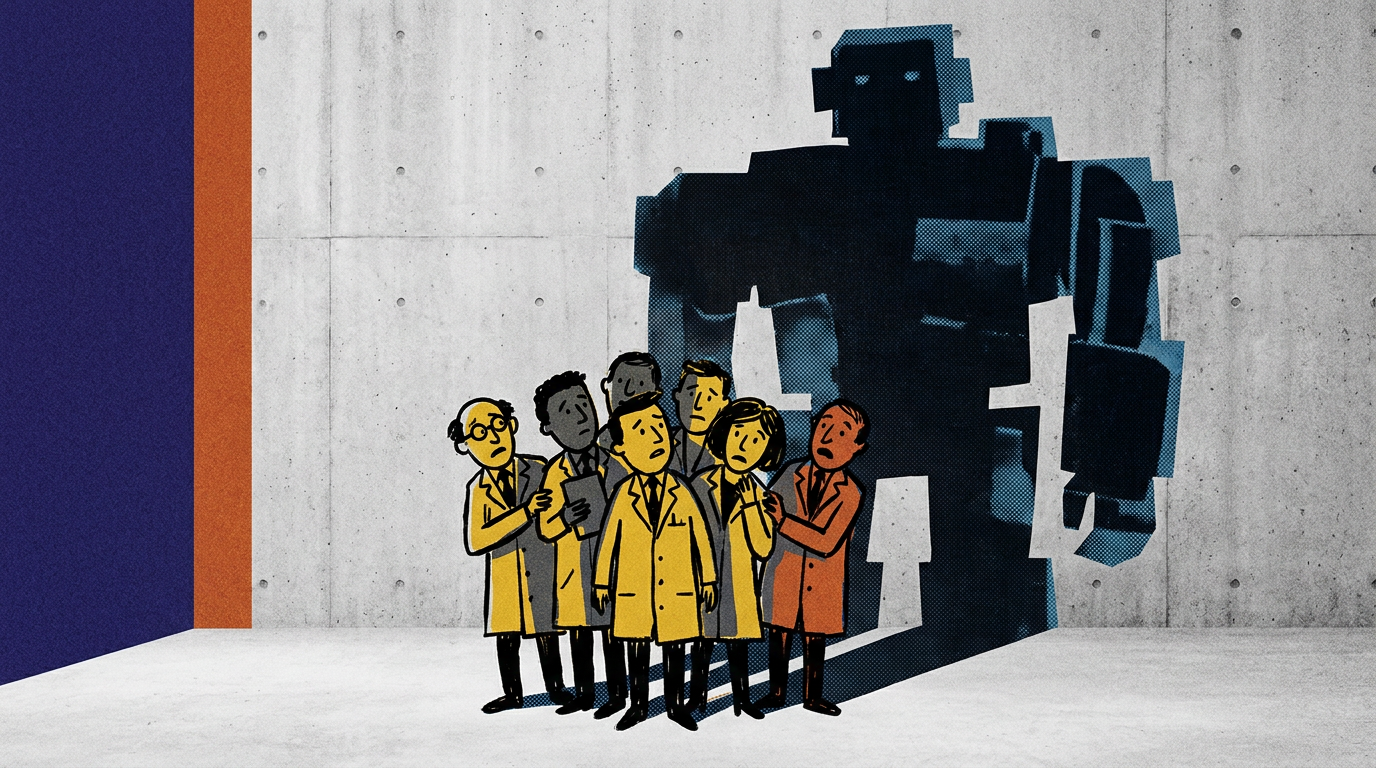
Thirty-five Chinese researchers, with authors tied to ByteDance, Tsinghua and Shanghai AI Lab, published "The…
Anthropic CEO Dario Amodei's essay "We Must Pace the Frontier" calls for regulation covering all US frontier A…

Recursive CEO Richard Socher said in an X post that "There is NO realistic scenario where AI wipes out all of…
Russian publisher Eksmo-AST trained an AI agent to flag books and passages risking violation of Russia's post-…
Anthropic CEO Dario Amodei published a 3,800-word essay, "We Must Pace the Frontier," urging policymakers to a…