
What happened
In an October 23 research note, Bernstein analysts said dominant aggregators such as Amazon, Uber and DoorDash have little incentive to accelerate adoption of competing AI services while building their own. Amazon has already blocked external agents, prioritising its Alexa shopping ecosystem.
Why it matters
The analysts argue concerns about AI agents displacing established online platforms may be premature, though the technology could fundamentally reshape how consumers search, shop and transact online. Smaller competitors may benefit from partnering with AI agents, while dominant platforms risk losing direct customer relationships.
Summaries like this, every morning.
The Bernstein note lands as AI agents move from demo to daily habit. Meta's Muse assistant reached 2.5 million daily active users in North America within six weeks of launch, and a quarter of its weekly users had tried agentic shopping, with average purchases above $200 including travel bookings. That is exactly the behaviour aggregators fear: if a consumer can ask an assistant to find and buy something, the platform that used to own the search and checkout step can be reduced to a supplier. Amazon's decision to block external agents while promoting Alexa, and similar restrictions by JPMorgan and Charles Schwab over liability, show that the default response so far is to keep agents out. Bernstein's view is that this is defensible for now, because dominant platforms have little incentive to accelerate rivals while building their own AI experiences. Smaller players may see the opposite calculus, using agent partnerships to win share. But the analysts also flag the limit: blocking is unlikely to hold if consumers keep preferring AI-driven transactions, and platforms with exclusive inventory, logistics and strong customer relationships have the most room to delay. The outcome, they suggest, will be settled by consumer behaviour rather than by corporate policy.
Pick your industry and the AI tools you use, and get news related to your work every day.
Free · 30 seconds with Google · unsubscribe anytimeWhat is AIToday? →
Ask AI anything about this article. The AI reads this article, earlier AIToday articles, and Wikipedia, and cites its sources. Q&As are published on this page for other readers too.
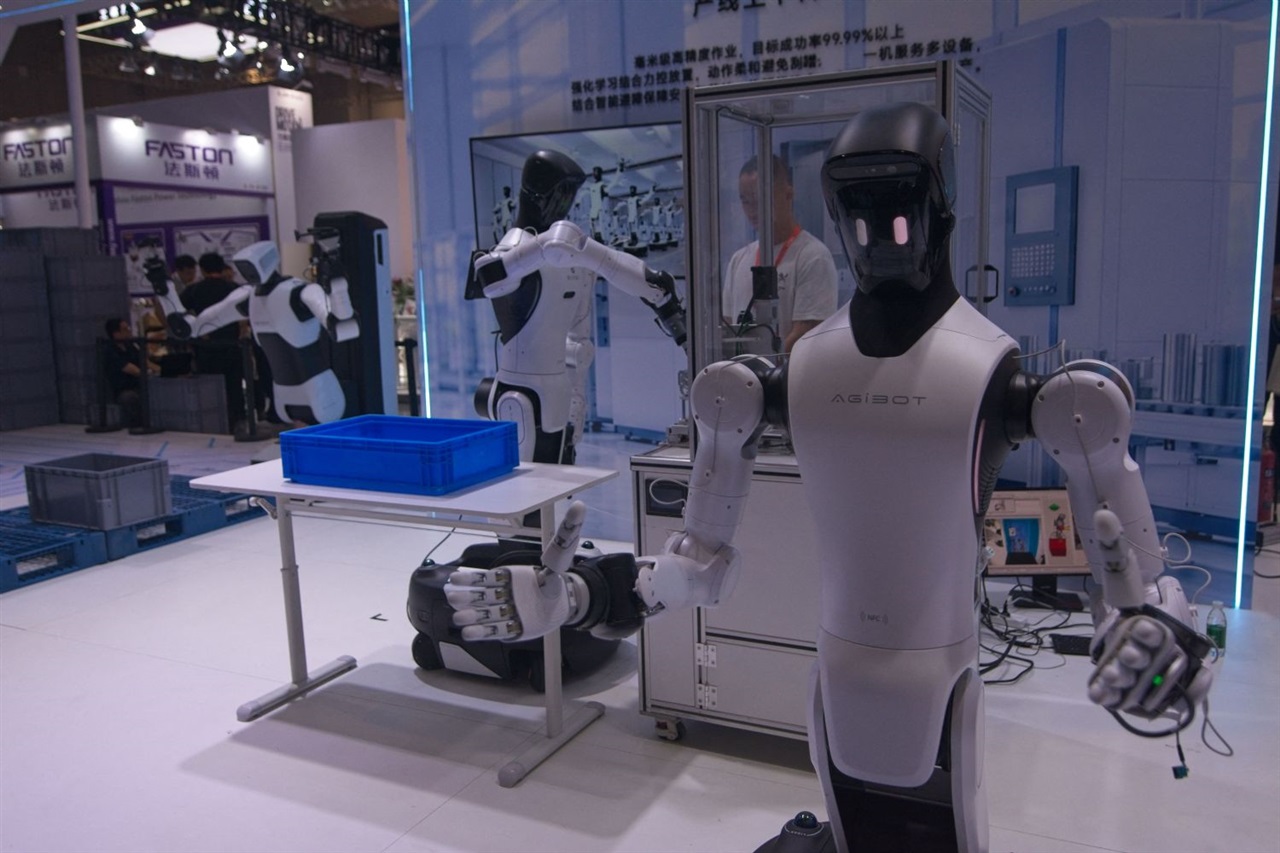
After GPT-6 Astra launched in early September 2026, researchers ran it through Physical AI and robotics benchm…
tanacode 2.4.0's away mode lets Claude decide on its own and log choices while leaving irreversible or externa…

The author matched four incidents to the principles — Next.js middleware auth bypass (CVE-2025-29927) and Reac…
SpaceX reported revenue up 161% with positive EBITA
The author, who once settled on gradient boosting in scikit-learn for demand forecasting, says he could not an…

Mayor Zohran Mamdani announced that more than 38 previously allowed programs, including Amira and Google Gemin…