What happened
OpenAI published a guide for enterprises on managing AI investments, highlighting that the price per million tokens dropped 97% from GPT-4 to GPT-5.4. GPT-5.6 improves performance with 54% fewer output tokens and 57% less time per task.
Why it matters
Token price alone doesn't show whether AI creates value. Leaders should track useful work per dollar, like tasks completed or time saved, and use updated usage analytics and spend controls in the Admin Console to see adoption and spending.
What to watch
The test is whether enterprises can fund workflows that compound—those that repeat at scale, have clear ownership, and can be measured. Ask for OpenAI's AI Deployment Engineers or use controls like workspace defaults and group limits to support high-value work.
Summaries like this, in your inbox every morning.
OpenAI's guidance comes as AI moves from simple chat interactions to longer-running, multi-step workflows. The 97% price drop per million tokens from GPT-4 to GPT-5.4 shows a broader trend of falling AI costs, but OpenAI argues that low token prices don't guarantee value. Instead, enterprises should evaluate models by outcome ROI, considering the full cost of reaching a quality result, including attempts, completion rates, and human review.
The article emphasizes governance as an operating layer, with the need to define what context ChatGPT can use, which tools it can access, and who approves higher-risk actions. This becomes crucial as teams adopt plugins, connectors, and Computer Use. OpenAI positions ChatGPT Work as a central control hub, while offering Frontier and Deployment Company for larger strategic deployments.
The stakes hinge on whether enterprises can avoid scaling AI workflows that look promising but don't deliver measurable value. The advice implies a portfolio approach, funding exploration, validation, and production separately. The real test is whether companies can match capacity to proven demand, scaling only workflows that show clear, repeatable value.
Pick your industry and the AI tools you use, and get news related to your work every day.
Free · 30 seconds with Google · unsubscribe anytimeWhat is AIToday? →
Ask AI anything about this article. The AI reads this article, earlier AIToday articles, and Wikipedia, and cites its sources. Q&As are published on this page for other readers too.
TSMC reported about NT$763.1b in Q3 net profit and confirmed that demand for advanced processors is running ah…

Nvidia-backed CoreWeave steadied Thursday after a sharp slump, as investors worried about the debt financing b…
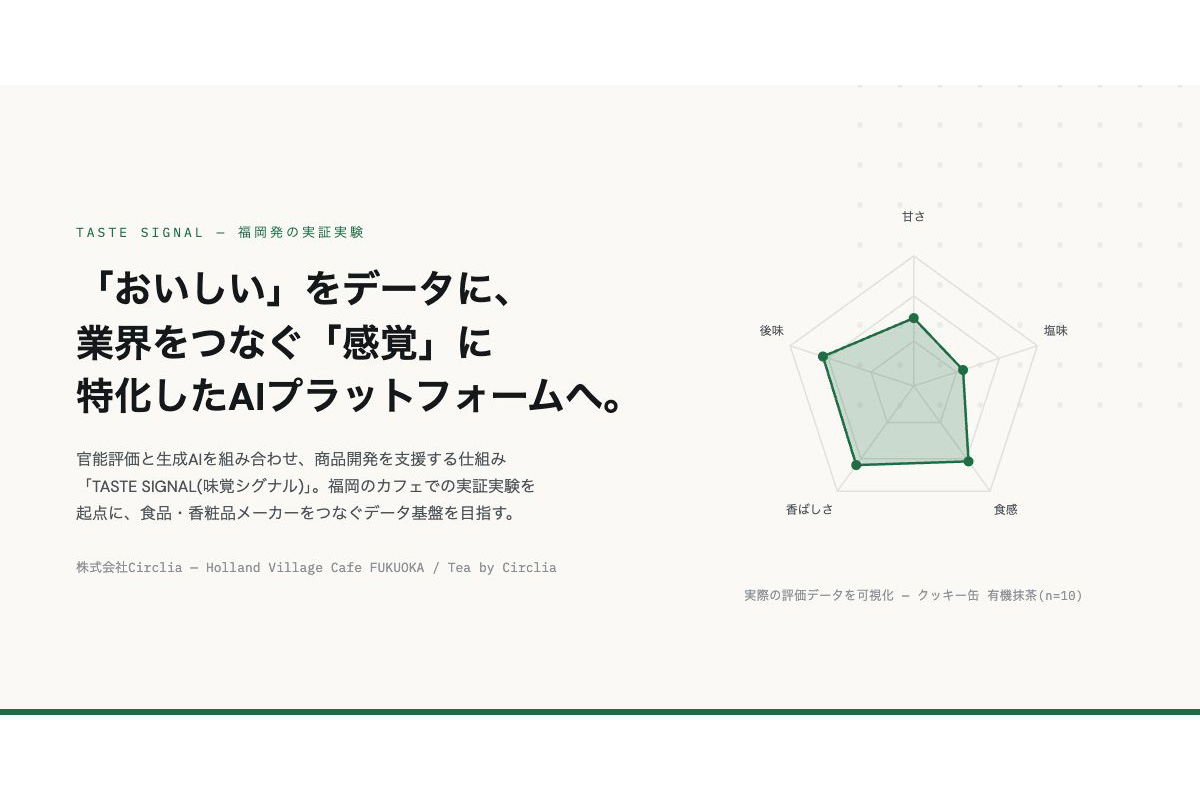
Circlia started a proof-of-concept for TASTE SIGNAL: visitors to Holland Village Cafe FUKUOKA taste cookies an…
In a webinar hosted by French Mathematical Society president Isabelle Gallagher, Fields Medal winner Hugo Dumi…

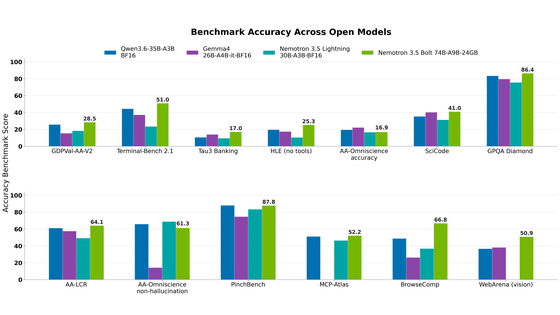
NVIDIA released Nemotron 3.5 Super VL, an open-weight model with 120 billion parameters that handles text, ima…

NVIDIA released Nemotron 3.5 Bolt 74B-A9B 24GB, an AI model for local agents that hits over 80 tokens per seco…