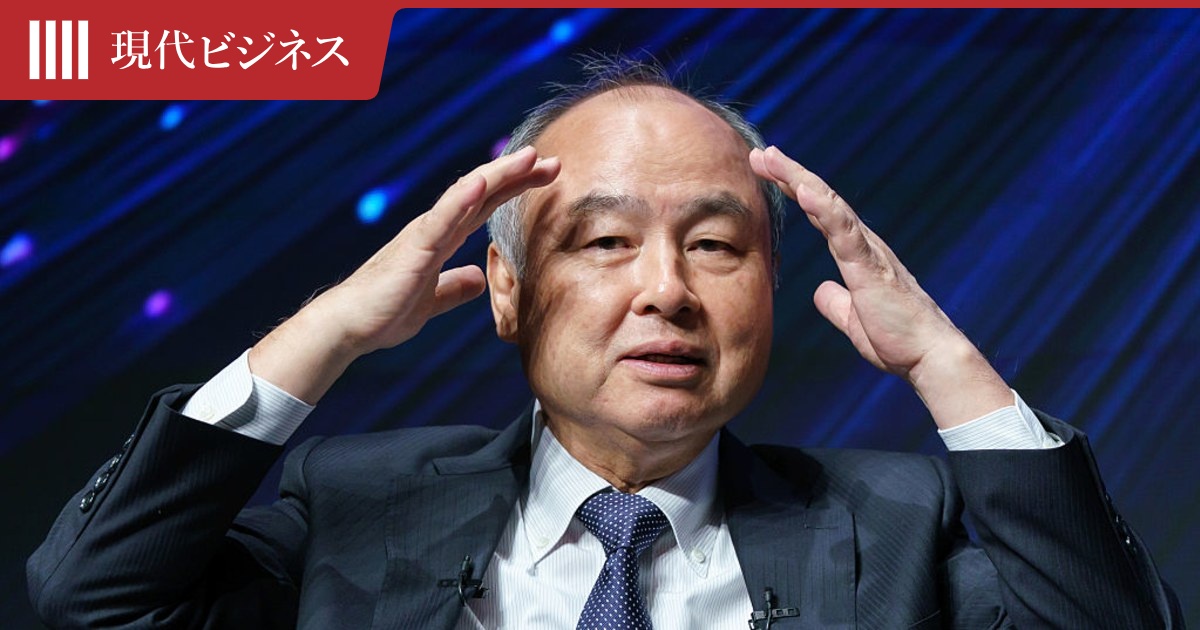
Altman has pushed OpenAI's IPO to 2027, departing from SoftBank founder Son's expectation of a 2026 listing.
Son has committed roughly 10 trillion yen to OpenAI and needed an early exit to hedge against an AI market downturn.
SoftBank's internal leadership is reportedly questioning the wisdom of the bet.
What happened
OpenAI's CEO Sam Altman has delayed the company's initial public offering (IPO) to 2027, according to U.S. media reports cited in the article. Son Masayoshi, founder of SoftBank Group, had been expecting the IPO to occur by the end of 2026.
Why it matters
SoftBank has invested a total of approximately 10 trillion yen into OpenAI, betting heavily on Altman's vision of artificial general intelligence (AGI). The delay complicates Son's strategy: if an AI bubble were to burst before OpenAI goes public, the asset value of SoftBank's holdings in OpenAI and ARM could fall sharply, potentially pushing the company into negative equity. Son wanted an early IPO so he could sell shares if needed.
What to watch
Internal resistance to the OpenAI investment is reportedly strong within SoftBank. Board members and financial officers have reportedly questioned Son directly about accountability if OpenAI loses to rivals like Anthropic or fails to go public at all.
Ask the AI about this article →
Son Masayoshi's aggressive push into OpenAI has become a flashpoint within SoftBank's leadership. The founder has committed roughly 10 trillion yen to Altman's vision of artificial general intelligence, but the delayed IPO undermines Son's core financial strategy: securing an early public listing would allow him to liquidate shares if market conditions deteriorated. The article indicates that SoftBank's internal stakeholders—board members and financial officers—are openly challenging the investment, expressing concerns about who bears responsibility if OpenAI loses market share to Anthropic or faces financial collapse before going public. The timing is sensitive because the broader AI sector's valuation depends heavily on narrative momentum; any rupture in investor confidence could cascade into SoftBank's asset base, particularly its holdings in ARM (the semiconductor design company) and OpenAI itself, with the potential for the company to slip into negative equity if valuations contract sharply.
For example, today's edition would include:
AI-summarized, only the topics you pick — one digest a day via Email, Slack, or Discord.
Free · takes 30 seconds · unsubscribe anytimeWhat is AIToday? →
Ask AI anything about this article. Q&As are published on this page for other readers too.
Israeli startup DataAgent Ltd
Taoyuan is positioning itself as a northern hub for AI data centers (AIDC), citing the Tatan area and an LNG c…
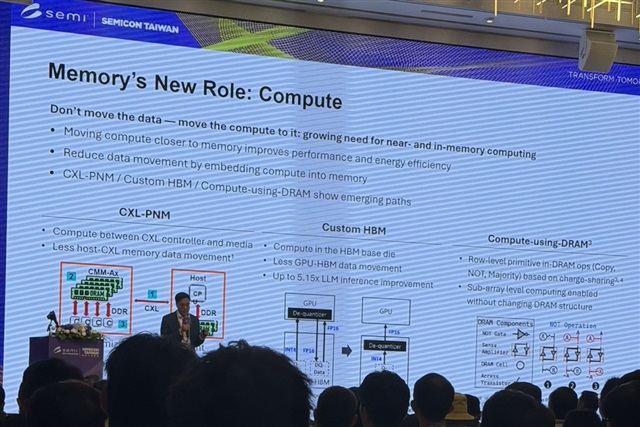
SK Hynix presented a custom HBM concept at SEMICON Taiwan 2026, where compute functions are placed in the base…
The U.S. Department of Defense announced on August 31 that it has deployed ChatGPT Mil, a customized version o…
Nvidia reported earnings that were both remarkable and boring, reflecting its focus on avoiding a consolidated…

Anthropic has agreed to a $35bn cloud-computing contract with Lambda, a Nvidia-backed cloud provider