What happened
Apple has largely sat out the AI infrastructure build-out, partnering with Alphabet to integrate Gemini into devices while Android competitors have already moved ahead. Meta, by contrast, has spent hundreds of billions on AI computing capacity and released a free-to-use AI model, but most financial benefit flows only through its advertising business rather than generating direct AI revenue.
Why it matters
Apple's strategy avoids the massive capital drain Meta faces, but leaves it trailing peers in AI capabilities—a position it has recovered from before with other product categories. Meta's heavy spending has not yet offset its costs; the company is still working toward a personal superintelligence model and potential subscription services like AI glasses. The market reflects this: Meta trades at half Apple's P/E multiple because investors see weak returns from its AI bets, while Apple commands a premium despite minimal AI spending.
What to watch
Apple's success hinges on launching AI products with a subscription service that resonates with users—a path that could unlock billions in new revenue if it works. Meta's upside depends on monetizing its AI investments through subscription-based services or AI glasses; if it achieves a breakthrough, the stock has significant room to rise from current valuations. Both firms face execution risk, though Meta's lower valuation leaves less room for disappointment.
Summaries like this, in your inbox every morning.
Apple and Meta represent two opposing gambles in the artificial intelligence arms race. Apple's decision to sit on the sidelines and partner with Alphabet rather than build its own massive data centers mirrors its historical product strategy: wait for initial phases to complete, then launch a polished offering. This approach has spared Apple the hundreds of billions in capital spending that Meta has incurred, and it has kept Apple's valuation premium intact—the market perceives that Apple is trailing by choice, not accident. However, the body notes that Apple's Android competitors have already established a substantial lead in AI capabilities, and whether Apple can close that gap with a subscription-based model remains uncertain.
Meta's position is nearly opposite. The company has committed hundreds of billions to AI computing capacity and released a free-to-use AI model, yet most of the financial benefit has flowed only through its advertising business. The body identifies the core problem: Meta's investments are "not monetizable," and the company is pursuing a personal superintelligence model and AI glasses that may eventually generate direct revenue. This uncertainty has dragged Meta's valuation down to half Apple's P/E multiple. The article frames Meta as a potential "generational buy" if it achieves a breakthrough in monetization, but also warns that if it fails to convert spending into returns, the stock could decline further. Apple, by contrast, faces pressure to deliver on its premium valuation—if its subscription AI model succeeds, the price could be justified, but if execution falters, upside is capped.
Pick your industry and the AI tools you use, and get news related to your work every day.
Free · 30 seconds with Google · unsubscribe anytimeWhat is AIToday? →
Ask AI anything about this article. The AI reads this article, earlier AIToday articles, and Wikipedia, and cites its sources. Q&As are published on this page for other readers too.
Meta introduced Muse Wonder and Muse Wonder Full, calling them its most capable models for personal and profes…

Intel shared new details on its Intel GPU D-series, code-named Crescent Island, which packs up to 480 GB of LP…

Citi named Constellation Energy the top retail electricity company positioned to handle potential AI-driven di…

Intel debuted its Intel GPU D-Series processors, formerly codenamed Crescent Island, designed for AI inferenci…
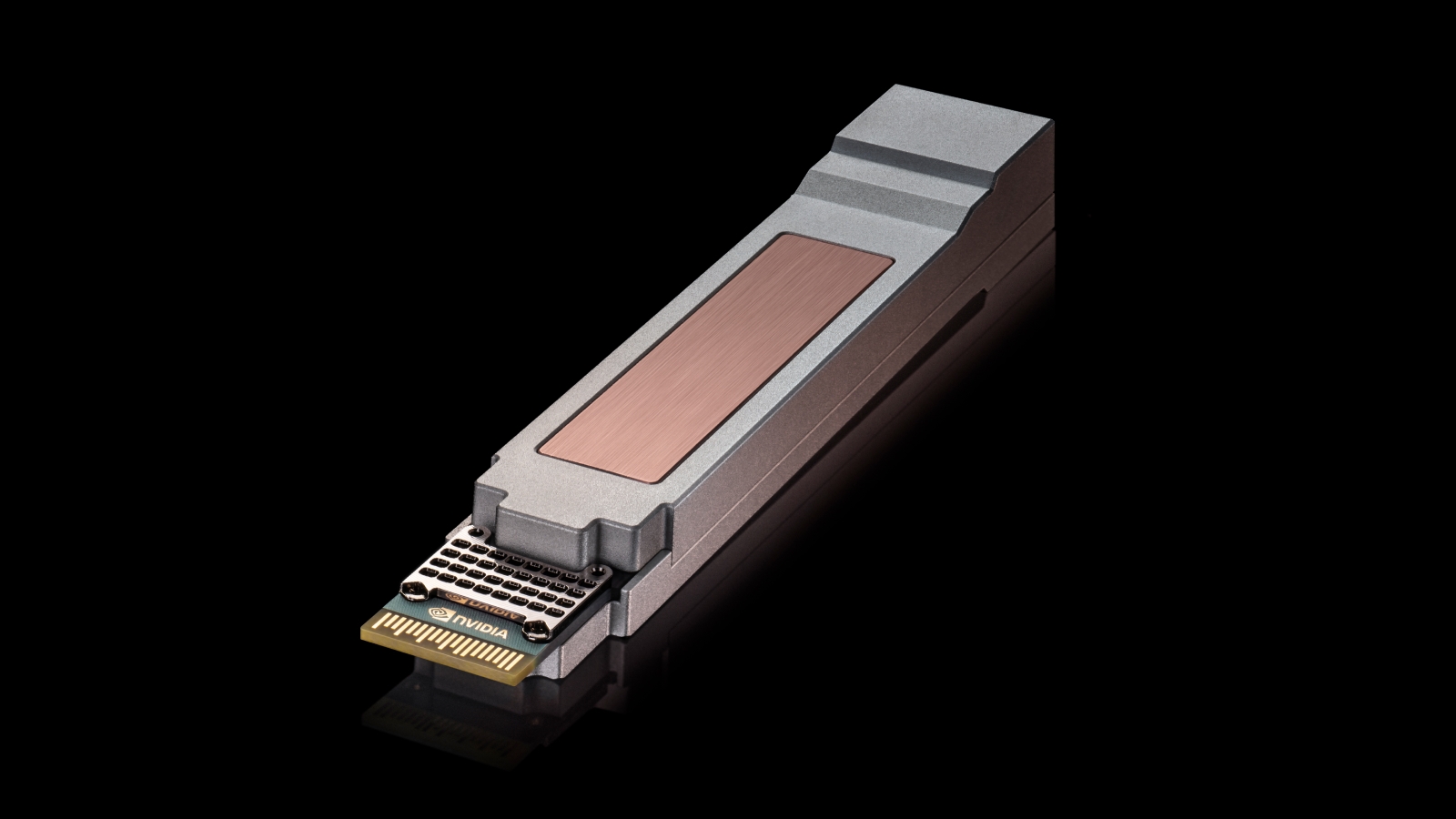
NVIDIA and Cisco announced plans for USFP, a 400Gb/s-per-lane pluggable optical module, with first transceiver…
Stryker plans to invest approximately $400 million in British surgical robotics company CMR Surgical, gaining…