Major enterprises, including Fortune 500 companies, are adopting open-source AI models offered by platforms like Ollama because they provide cost savings, keep proprietary data secure on-premises, and enable localized deployment without reliance on external vendors.
This shift reflects growing corporate demand for AI solutions that balance capability with data privacy and operational cost control.
What happened
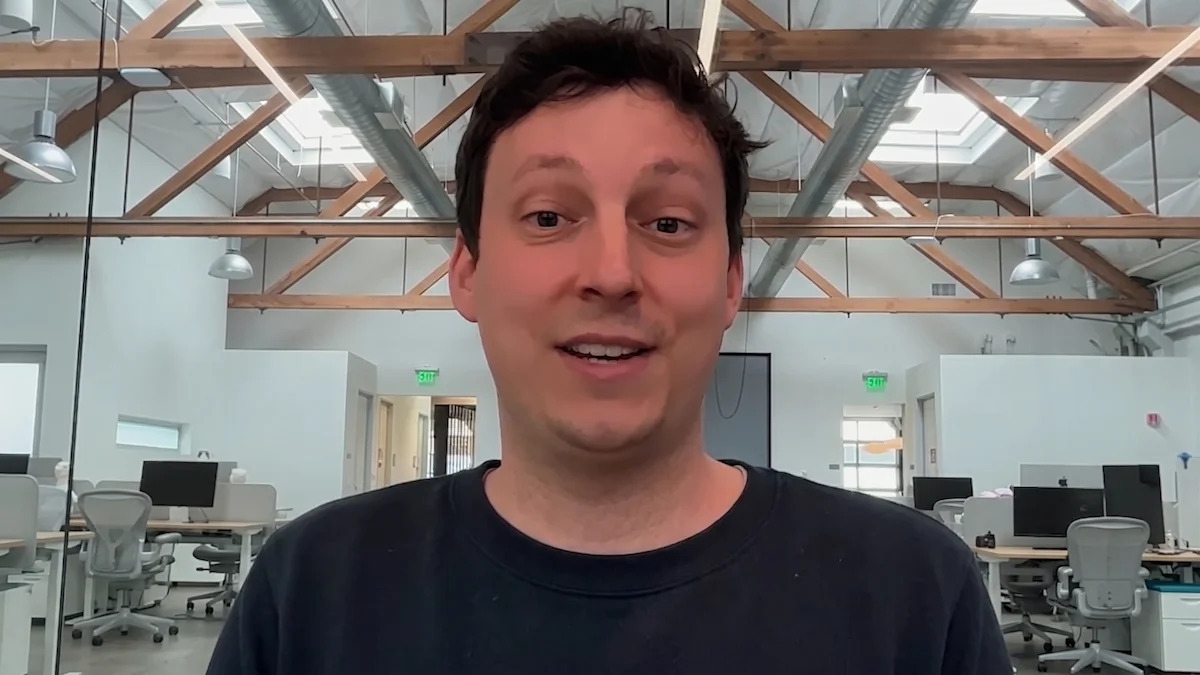
Ollama CEO Jeffrey Morgan explained to Yahoo Finance how open-source AI models are drawing major enterprise clients, including Fortune 500 companies, by offering cost savings, data control, and secure localized deployment capabilities.
Why it matters
Enterprise clients are increasingly attracted to open-source AI because it lets them keep sensitive data in-house rather than sending it to third-party cloud providers, while reducing licensing costs — a significant shift from the vendor-controlled AI model that has dominated recent years.
What to watch
The appeal of localized, secure deployment suggests open-source AI infrastructure may reshape how large corporations manage AI workloads, potentially reducing their dependence on proprietary cloud AI services.
Ask the AI about this article →
Enterprise adoption of open-source AI represents a meaningful divergence from the cloud-dominant AI landscape of the past few years. Rather than outsourcing AI workloads to major cloud providers, large corporations are now evaluating open-source models for on-premises or localized deployment. This shift is driven by two complementary concerns: data governance (keeping proprietary information off third-party infrastructure) and total cost of ownership (avoiding vendor lock-in and licensing fees). Ollama CEO Jeffrey Morgan's visibility in media discussions reflects growing awareness among Fortune 500 decision-makers that open-source alternatives can deliver enterprise-grade capability without the security and cost trade-offs of cloud-hosted proprietary models. The trend suggests that data sovereignty and operational cost control are becoming table-stakes requirements for large-scale AI deployment, not secondary considerations.
For example, today's edition would include:
AI-summarized, only the topics you pick — one digest a day via Email, Slack, or Discord.
Free · takes 30 seconds · unsubscribe anytimeWhat is AIToday? →
Ask AI anything about this article. Q&As are published on this page for other readers too.
Israeli startup DataAgent Ltd
Chinese large-model developer Z.ai says it can now support large-scale inference using roughly 100,000 domesti…

OpenClaw creator Peter Steinberger and co-developers announced OpenClaw 2.0 over the weekend, describing it as…

Broadcom announced VMware AI Factory, a software-defined foundation for VMware Private AI Cloud, at VMware Exp…

AI coding has moved through three stages—prompt engineering, context engineering, and now harness engineering—…

Workday is integrating its AI agents with Google Cloud's Gemini Enterprise, letting employees start tasks like…