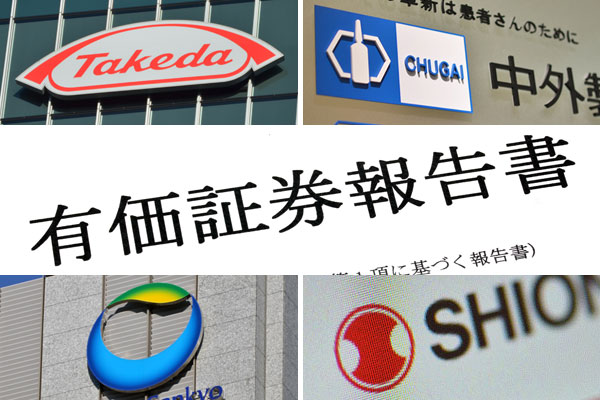
Japan's largest pharmaceutical companies have moved AI from pilot projects to company-wide platforms, with Takeda and Chugai reporting that a majority of staff now use AI daily in routine work. Firms explicitly identify AI as a safeguard against R&D obsolescence and link adoption rates to future competitiveness. The gap between early adopters and slower-moving peers is already substantial, and leadership expects that by 2030, uneven AI investment will translate into measurable differences in growth.
Summaries like this, in your inbox every morning.
Sign up free →What happened
Major domestic pharma firms—Takeda, Chugai, Daiichi Sankyo, Shionogi—have disclosed active AI deployment in 2025 annual filings. Takeda reports 63% of employees actively using generative AI tools as of March 2024, up 16 percentage points year-on-year; Chugai reports active users exceeding 60%. Firms are integrating AI into drug discovery platforms, clinical development, manufacturing forecasting, and inventory optimization.
Why it matters
Takeda, Chugai, and Daiichi Sankyo now treat AI as a competitive moat rather than an IT project—explicitly linking it to maintaining research superiority and avoiding performance decline. Daiichi Sankyo warns in its filing that 'delay in responding to AI technological innovation may result in loss of advantage in R&D and reduced competitiveness.' The gap between leaders (Takeda, Chugai, Bristol Myers Squibb at ~80% adoption) and mid-tier peers (Astellas, Eisai) is wide and widening, suggesting by 2030 the difference may appear as growth disparity.
What to watch
Takeda and Chugai emphasize AI integration across the entire value chain—from target discovery through commercialization—as a transformation tool for decision-making, not just efficiency. Takeda, Otsuka Holdings, and Kyowa Kirin are prioritizing workforce readiness (Otsuka launched a digital academy in July 2024; Kyowa is training digital project planners), signaling that human capability, not AI itself, is now the bottleneck.
No comments yet. Be the first to share your thoughts!
Log in to join the discussion



Get curated AI news from 200+ sources delivered daily to your inbox. Free to use.
Get Started FreeFree · takes 30 seconds · unsubscribe anytime
5 minutes a day. The AI essentials.
200+ sources · Email / LINE / Slack
