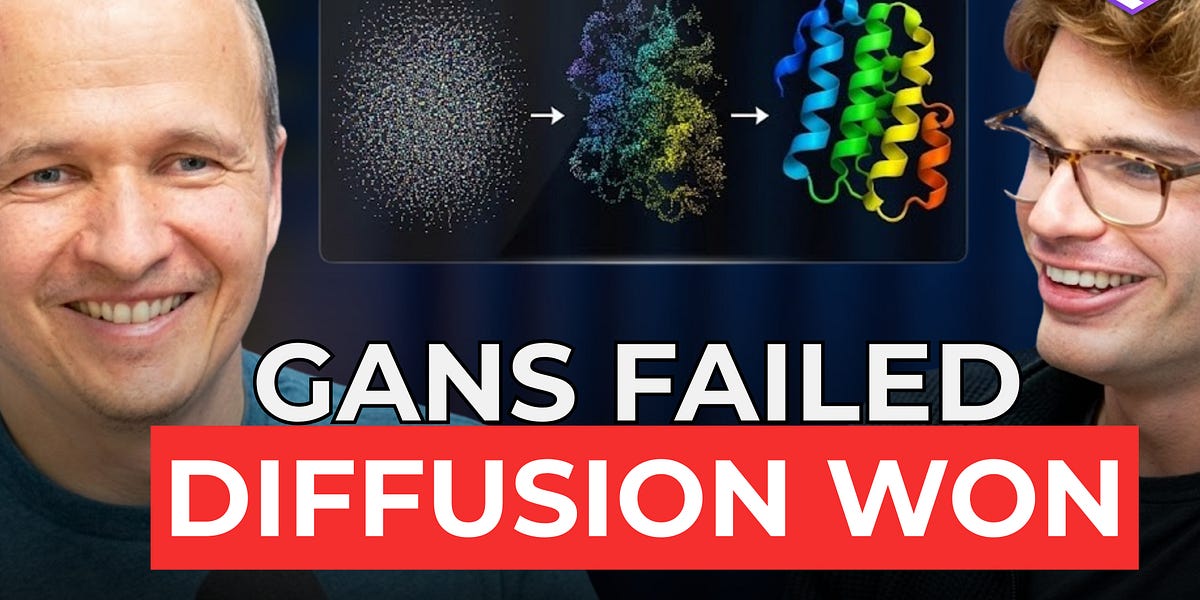
What happened
Genesis Molecular AI's PEARL model demonstrated on the OpenBind benchmark that it can accurately predict how small molecules bind to proteins, including modeling protein flexibility and induced-fit effects without fine-tuning on target-specific data. The model outperformed public competitors across evaluation metrics on 802 never-before-seen molecular complexes.
Why it matters
Small-molecule drug discovery has long struggled because there are 10^60 drug-like molecules to search, and the properties that make a strong binder often conflict with those needed for the drug to reach its target in the body. PEARL's ability to model both ligand placement and protein adjustment together suggests that agentic drug-discovery loops—where AI iterates like a chemist, forming hypotheses and testing candidates—may now be practically feasible, potentially enabling 24/7 automated discovery cycles when paired with lab partners.
What to watch
The field has conventionally benchmarked poses at "2 Angstrom RMSD" accuracy, but Genesis argues that 1 Angstrom RMSD is the real threshold needed to correctly model molecular interactions like hydrogen bonds (which span only 0.6Å). PEARL's recent results suggest the community may be ready to abandon the weaker standard and pursue genuinely harder validation targets.
Summaries like this, in your inbox every morning.
Pick your industry and the AI tools you use, and get news related to your work every day.
Free · 30 seconds with Google · unsubscribe anytimeWhat is AIToday? →
Ask AI anything about this article. The AI reads this article, earlier AIToday articles, and Wikipedia, and cites its sources. Q&As are published on this page for other readers too.
ElevenLabs completed a $300 million employee tender at a $22 billion valuation, and co-founder Mati Staniszews…

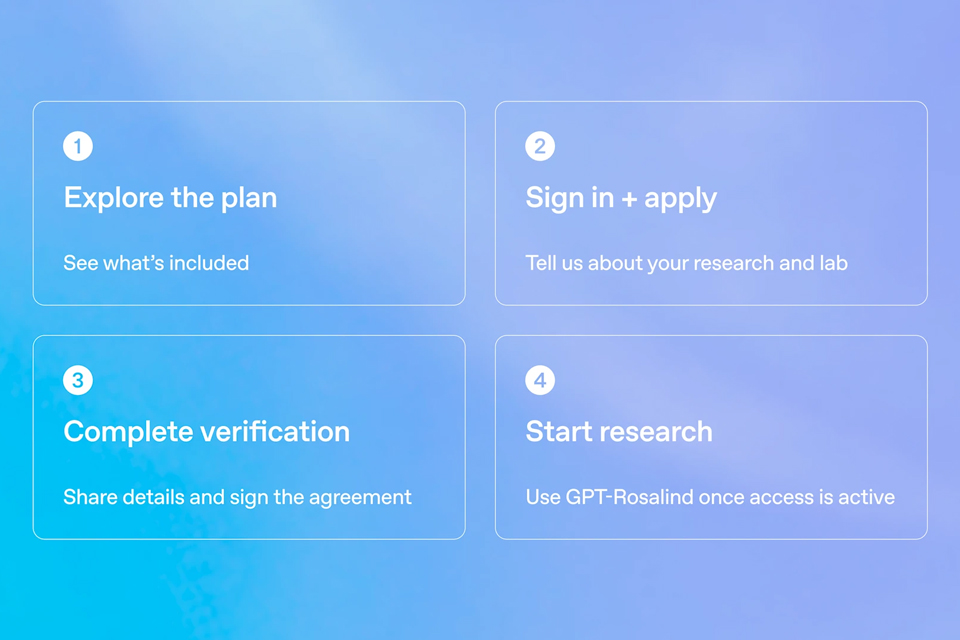
On October 15, OpenAI announced the Rosalind Academic Plan, giving approved US university labs free access to…
A Qiita article compared automated red-teaming methods for LLM apps — GCG, PAIR, and TAP — using mock implemen…

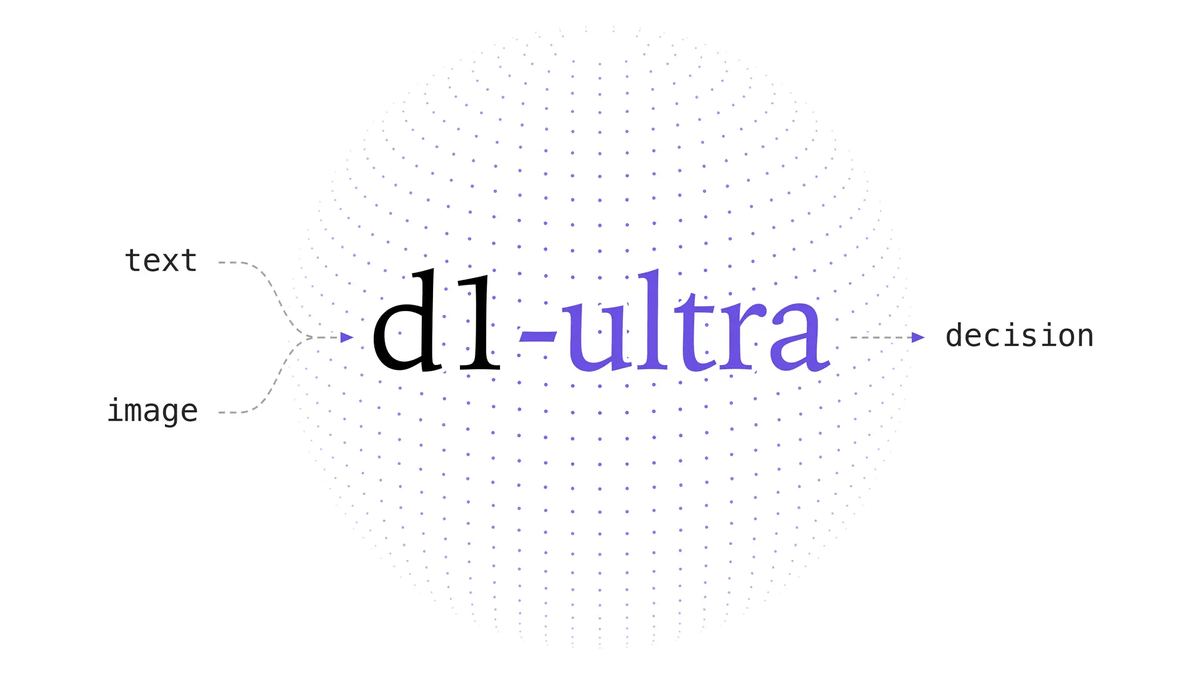
Liquid AI released d1-ultra on October 15, 2026, an upgraded open-weights decision model that averaged 76.7 ac…
Circlia started a proof-of-concept for TASTE SIGNAL: visitors to Holland Village Cafe FUKUOKA taste cookies an…

In a webinar hosted by French Mathematical Society president Isabelle Gallagher, Fields Medal winner Hugo Dumi…

