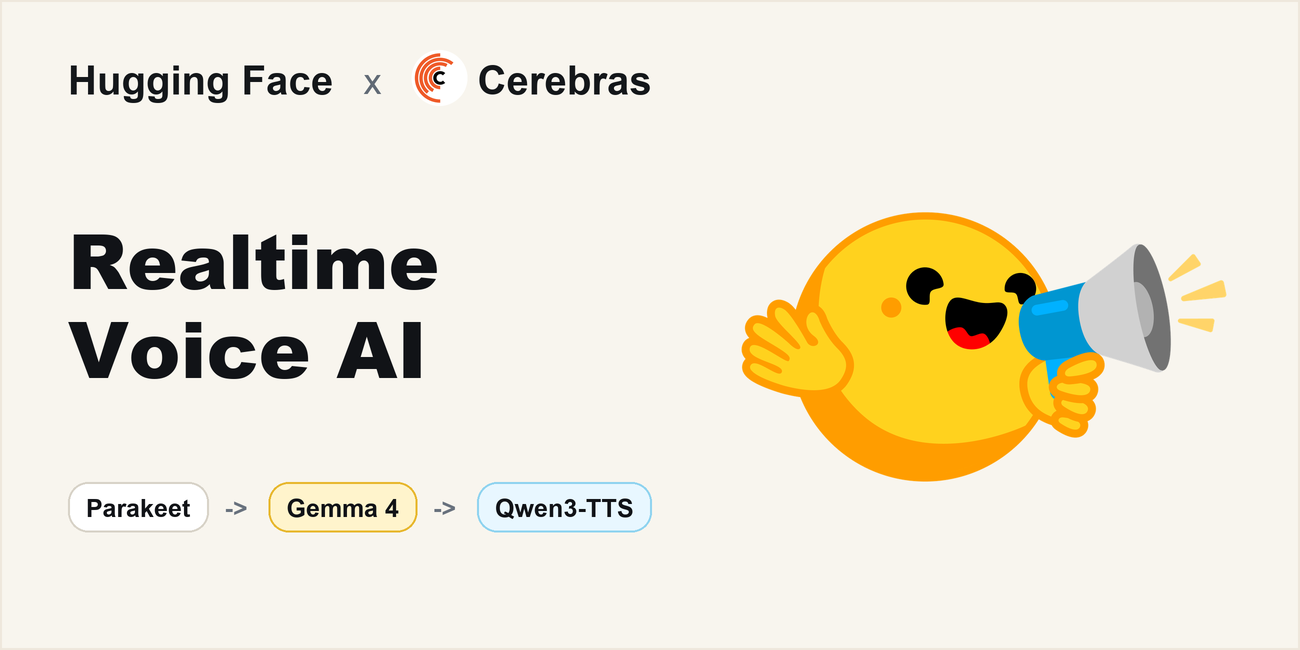
What happened
Hugging Face and Cerebras demonstrated a speech-to-speech AI pipeline that combines open-source models—Nvidia's Parakeet for speech recognition, Google DeepMind's Gemma 4 31B language model running on Cerebras inference, and Alibaba's Qwen3TTS for text-to-speech—to enable natural, fast conversational responses. The modular, open architecture allows developers to inspect, modify, and extend each component.
Why it matters
Latency has been a major bottleneck in voice AI systems; many production systems experience multi-second delays at the P95 (worst-case scenarios), making conversations feel unreliable and unnatural. By making language-model inference dramatically faster and more stable, Cerebras addresses this bottleneck. For robots, voice assistants, and embodied AI, this responsiveness is not a cosmetic improvement—it makes interactions feel alive and natural at scale, which may enable more practical deployment of conversational AI in real-world applications.
What to watch
The pipeline already powers Reachy Mini robots, with more than 9,000 robots in the wild. Developers can explore the demo on Hugging Face Space and the code in the huggingface/speech-to-speech repository.
Summaries like this, in your inbox every morning.
Pick your industry and the AI tools you use, and get news related to your work every day.
Free · 30 seconds with Google · unsubscribe anytimeWhat is AIToday? →
Ask AI anything about this article. The AI reads this article, earlier AIToday articles, and Wikipedia, and cites its sources. Q&As are published on this page for other readers too.
Apple and Meta said they would jointly release a new open-weight AI model designed to run on high-end Macs, ai…

ElevenLabs completed a $300 million employee tender at a $22 billion valuation, and co-founder Mati Staniszews…
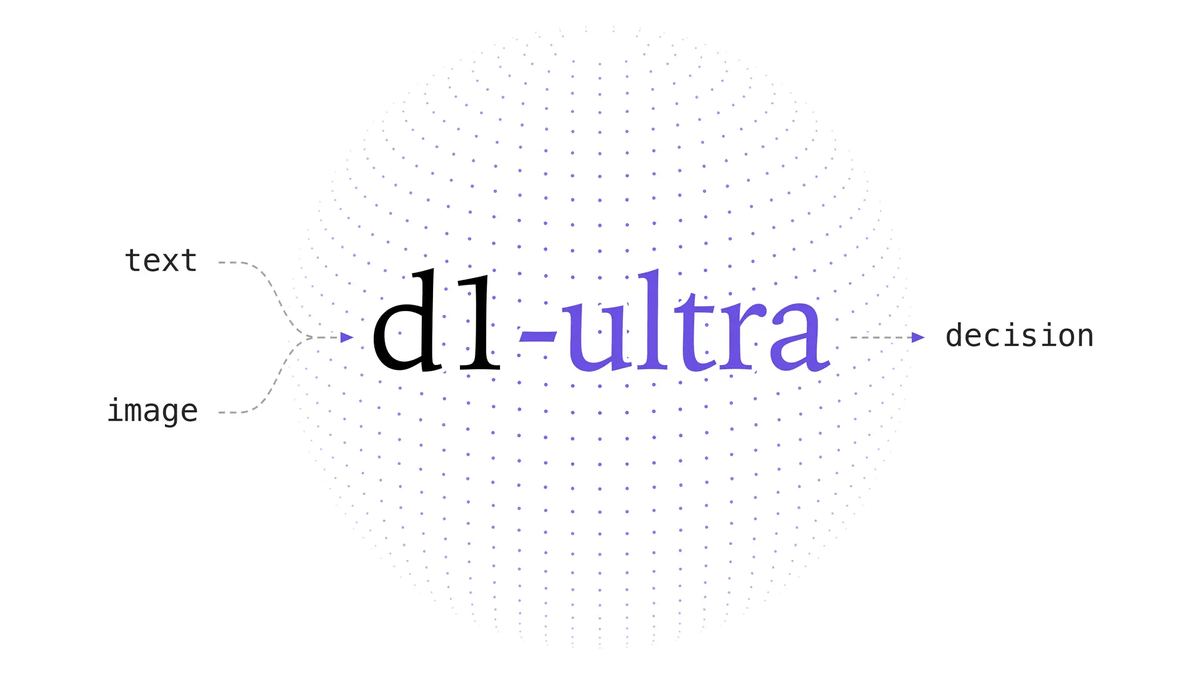
Liquid AI released d1-ultra on October 15, 2026, an upgraded open-weights decision model that averaged 76.7 ac…
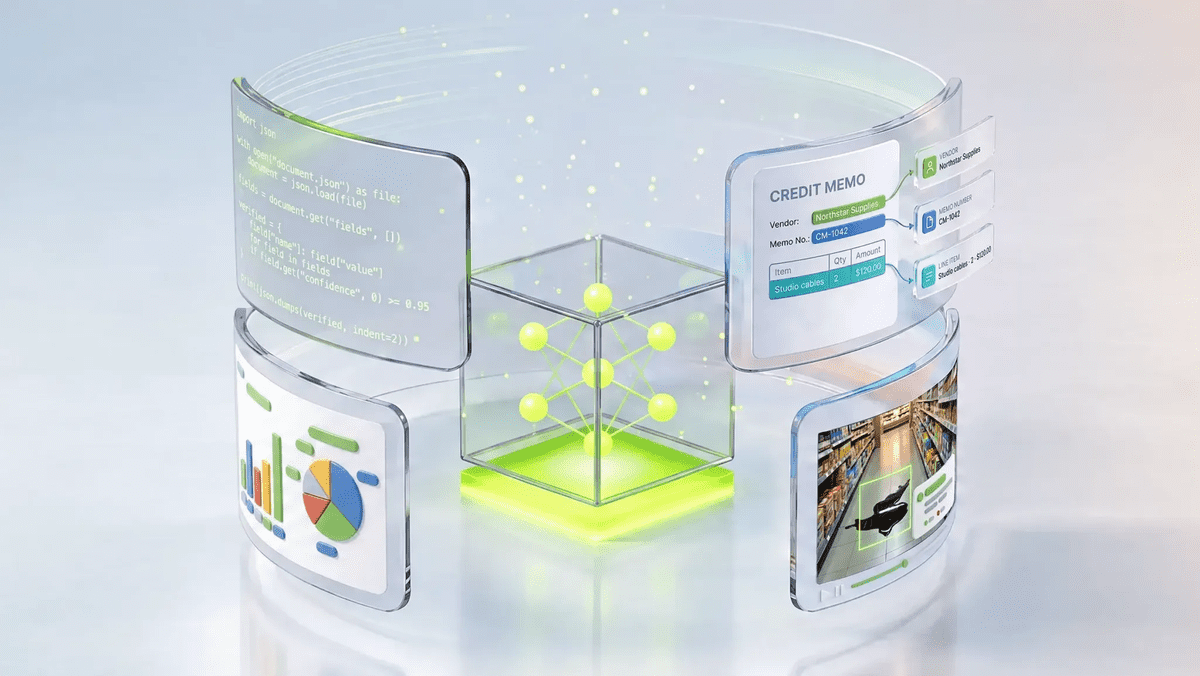
NVIDIA released Nemotron 3.5 Super VL, an open-weight model with 120 billion parameters that handles text, ima…
NVIDIA released Nemotron 3.5 Bolt 74B-A9B 24GB, an AI model for local agents that hits over 80 tokens per seco…
Nichiren announced its generative AI voice usage guideline on October 15, built on three pillars: prior notice…