
What happened
Apple filed a motion asking a US judge for a preliminary injunction to bar OpenAI and two former employees from accessing or using Apple's alleged trade secrets as part of an ongoing lawsuit. Apple simultaneously filed a motion for expedited discovery seeking documents related to the defendants' alleged access to Apple's proprietary information.
Why it matters
Apple's lawsuit alleges that OpenAI misappropriated the company's trade secrets to benefit OpenAI's entry into consumer hardware. An injunction, if granted, would legally prevent OpenAI from using such information while the case proceeds, potentially affecting OpenAI's hardware development plans.
What to watch
OpenAI denied the allegations in a Monday blog post, stating it "do not have, nor want, any of their trade secrets" and calling Apple's request "based on false information and completely unnecessary." The court's decision on the preliminary injunction and expedited discovery will indicate how seriously the judge views Apple's claims at this stage.
Summaries like this, in your inbox every morning.
Apple's move to seek a preliminary injunction and expedited discovery signals an aggressive escalation in its legal dispute with OpenAI. By requesting an injunction now, rather than waiting for the case to proceed through normal discovery, Apple is attempting to obtain immediate court protection against alleged misuse of its proprietary information while the lawsuit advances. Expedited discovery would accelerate the production of documents that could reveal how OpenAI and the two former employees allegedly accessed Apple's trade secrets.
OpenAI's swift public denial suggests the company views Apple's claims as a serious threat to its reputation and business operations, particularly regarding its hardware ambitions. The court's decision on whether to grant the preliminary injunction will be a crucial near-term indicator: judges typically require a showing of likelihood of success on the merits before issuing such orders, so approval would signal the judge finds Apple's allegations plausible.
Pick your industry and the AI tools you use, and get news related to your work every day.
Free · 30 seconds with Google · unsubscribe anytimeWhat is AIToday? →
Ask AI anything about this article. The AI reads this article, earlier AIToday articles, and Wikipedia, and cites its sources. Q&As are published on this page for other readers too.
Supermicro Computer appointed Mark Long as chief financial officer, bringing an experienced technology finance…

Holtek Semiconductor unveiled its 2026 product roadmap on October 15, focusing on four core areas: smart prote…
TSMC reported about NT$763.1b in Q3 net profit and confirmed that demand for advanced processors is running ah…
Nvidia-backed CoreWeave steadied Thursday after a sharp slump, as investors worried about the debt financing b…
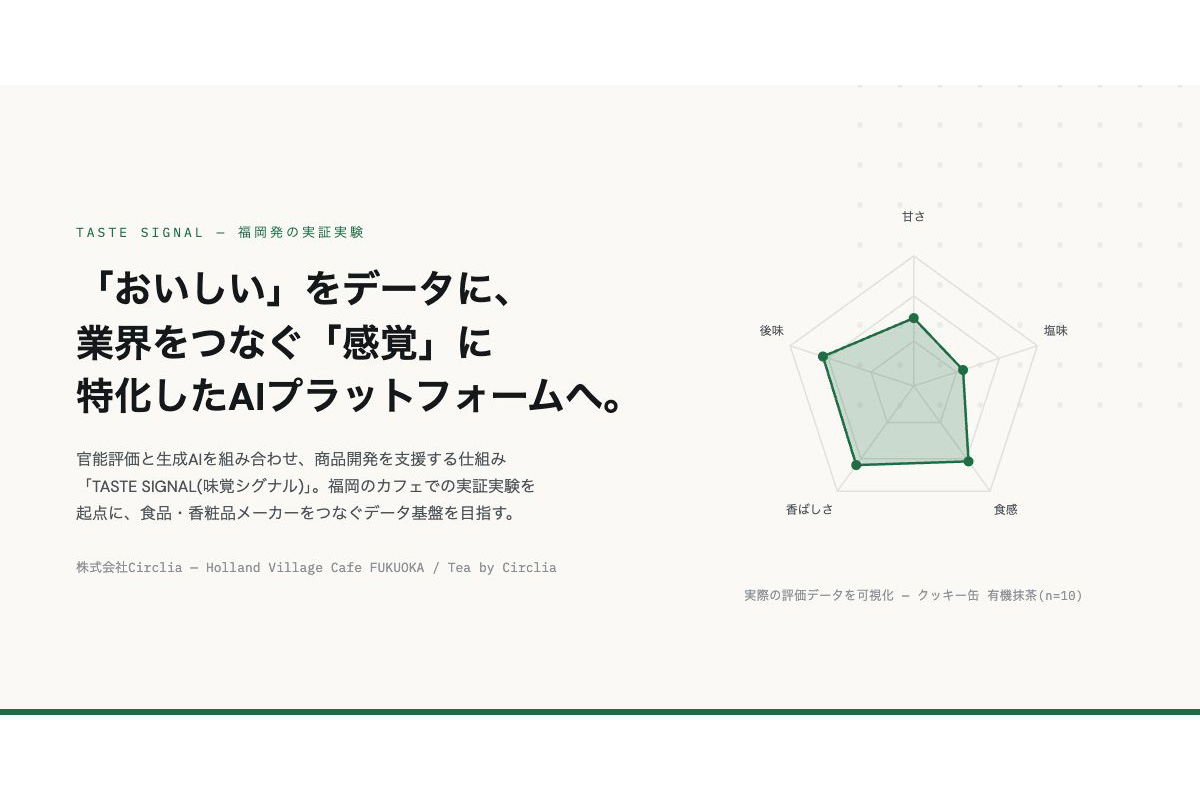
Circlia started a proof-of-concept for TASTE SIGNAL: visitors to Holland Village Cafe FUKUOKA taste cookies an…
Weathernews said on October 15 it implemented its own AI weather-forecasting model, AI-Nowcast, in its Weather…