What happened
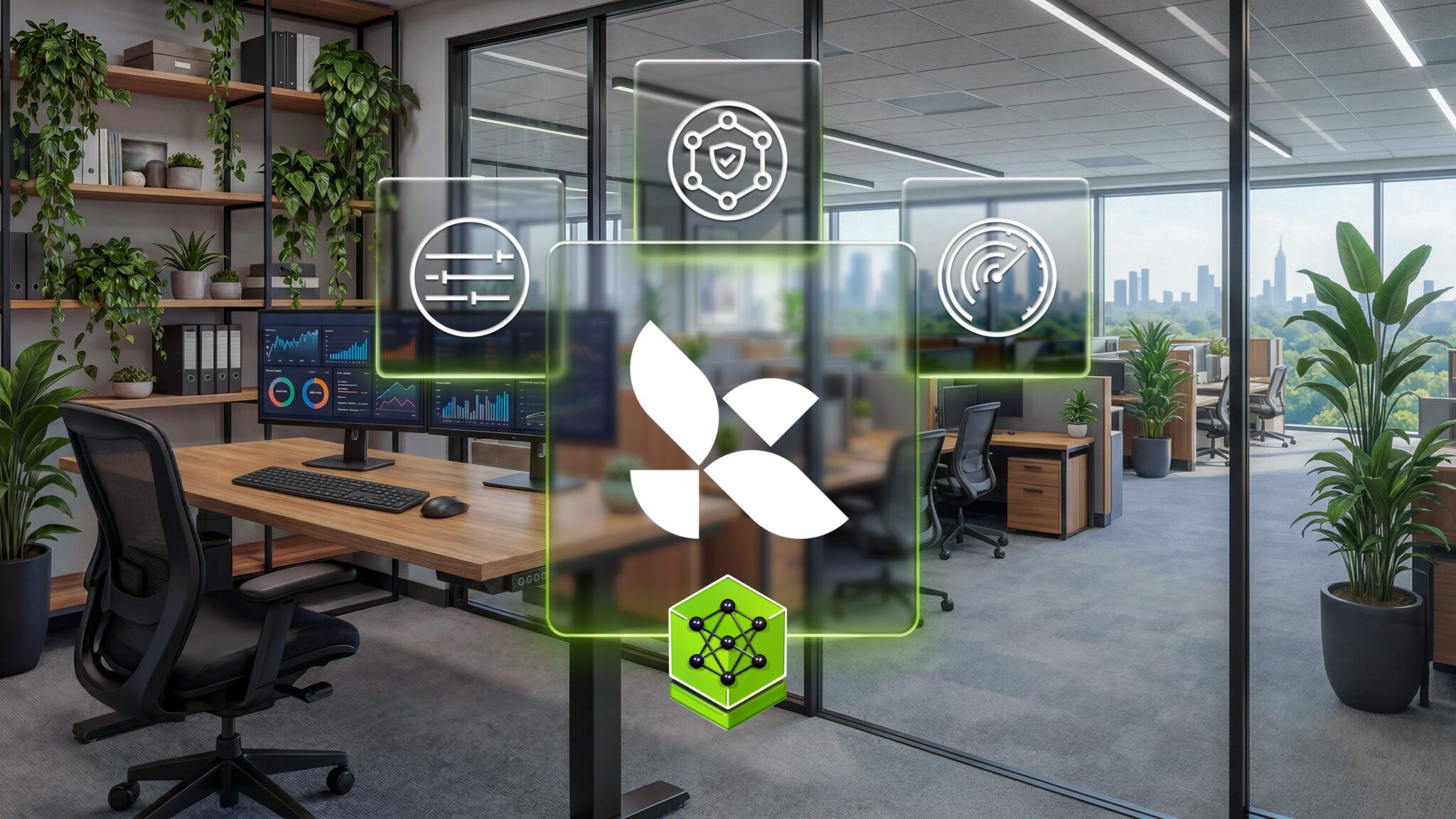
LangChain tuned its Deep Agents orchestration platform for NVIDIA Nemotron 3 Ultra and achieved the highest accuracy among open models on LangChain's Deep Agents benchmark, with business task parity to leading closed models—without retraining the model itself. The gains came from engineering the environment (system prompts, tool descriptions, middleware) around the model.
Why it matters
Enterprises can now run AI agents at a tenth of the cost of leading closed models, enabling teams to run evaluations continuously and experiment faster while maintaining full control over an open stack they can customize, own and run anywhere. Companies like Abridge, Amdocs, Box and EY are already embedding specialized agents into their platforms.
What to watch
The tuned Nemotron 3 Ultra profile is available now directly through LangChain, and developers can access the model on Baseten, Crusoe Cloud, DeepInfra, Fireworks, Nebius and Together AI. The NVIDIA NemoClaw for LangChain Deep Agents blueprint packages this work as an open reference for enterprises building their own specialized AI systems.
Summaries like this, in your inbox every morning.
The news centers on a shift in how enterprises can deploy AI agents cost-effectively. LangChain's Deep Agents platform, which has more than 200 million monthly downloads, analyzed execution traces from Nemotron 3 Ultra to identify performance gaps, then tuned the harness rather than the model weights themselves. This engineering-first approach has resonated with early adopters: system integrator EY is expanding its NVIDIA implementation capabilities around NemoClaw blueprints to help clients customize and govern specialized agents, while platform companies Abridge, Amdocs and Box are embedding these agents directly into their systems.
The competitive dynamic here is meaningful for enterprises weighing closed versus open AI models. By achieving business task parity with leading closed models at a tenth of the inference cost, Nemotron 3 Ultra reduces a key financial barrier to open-model adoption. The emphasis on owning the full stack—open model, open harness, open secure runtime—addresses a real governance concern as agents move from answering questions to taking actions inside core business systems. Enterprises can now customize, improve and audit their AI systems without vendor lock-in, which may shape purchasing decisions for high-stakes workflows.
Pick your industry and the AI tools you use, and get news related to your work every day.
Free · 30 seconds with Google · unsubscribe anytimeWhat is AIToday? →
Ask AI anything about this article. The AI reads this article, earlier AIToday articles, and Wikipedia, and cites its sources. Q&As are published on this page for other readers too.
Chunghwa Telecom president Rong-shy Lin said the shift from conversational AI to autonomous AI agents is resha…
CoreWeave fell 5% in premarket trading Friday and was on track to finish the week down 15%, after rebounding f…
Apple and Meta said they would jointly release a new open-weight AI model designed to run on high-end Macs, ai…
Investors put $38.5 billion into Asian startups in Q3, per Crunchbase data

A writer and entrepreneur opened his daily to-do list and found 156 items, and concluded that an AI assistant…

A longtime Anthropic investor told Fortune he expects shares priced around $1.8 trillion, below the company's…