What happened
Bill Ackman's Pershing Square Capital Management holds a $2.4 billion Microsoft stake representing roughly 15% of the fund's equity portfolio, built starting in February 2026 after the stock sold off. Ackman argues Microsoft's valuation doesn't fully reflect its 27% stake in OpenAI, which he estimates could be worth about $200 billion, or 7% of Microsoft's market cap if valued independently.
Why it matters
Ackman frames this as a decade-long bet on Microsoft's AI strategy and cloud infrastructure—not a short-term earnings trade. He sees the company as a quintessential beneficiary of AI workloads growing across Azure and data center infrastructure. However, the thesis hinges on whether AI demand and pricing meet expectations; if they fall short, Microsoft's roughly $190 billion capital spending commitment over 2026 could weigh on returns.
What to watch
Microsoft's ability to convert heavy capex into margin-accretive AI revenue, and whether competitive pressure in AI infrastructure intensifies. Ackman's 15% concentration is appropriate for a hedge fund but may signal risk for individual investors seeking more diversification.
Summaries like this, in your inbox every morning.
Ackman's decision to dedicate 15% of Pershing Square's portfolio to Microsoft signals conviction in a specific narrative: that the market has mispriced both the company's OpenAI stake and the medium-to-long-term return potential of AI-driven infrastructure spending. By beginning his position in February 2026 after a selloff, Ackman capitalized on a moment when Microsoft traded at around 21 times forward earnings—in line with the broader market and below its historical premium—to lock in an entry point he viewed as attractive for a decade-long thesis.
The weight of the position reinforces the seriousness of this bet. Placing Microsoft alongside Uber Technologies as one of his largest holdings, and trimming other big tech positions to accommodate it, is how a concentrated, high-conviction investor communicates where he believes AI economics will compound most. Ackman's framing of Microsoft as a quintessential beneficiary—emphasizing Azure, data center infrastructure, and developer tooling as capture points for outsize AI workload economics—suggests he believes the market is still underestimating the structural advantages these assets confer.
However, the same capital intensity that attracts Ackman to Microsoft also introduces real execution and demand risk. A $190 billion capex commitment over 2026 is not a minor financial commitment; it presumes that AI demand and pricing will hold up, and that competition in AI infrastructure will not commoditize Microsoft's moat faster than expected. For individual investors, the 15% concentration that makes sense for a volatility-tolerant hedge fund may introduce undue single-stock risk.
Pick your industry and the AI tools you use, and get news related to your work every day.
Free · 30 seconds with Google · unsubscribe anytimeWhat is AIToday? →
Ask AI anything about this article. The AI reads this article, earlier AIToday articles, and Wikipedia, and cites its sources. Q&As are published on this page for other readers too.
Vinci4D provides chip-design simulation software that trains on physics equations instead of customer data, an…
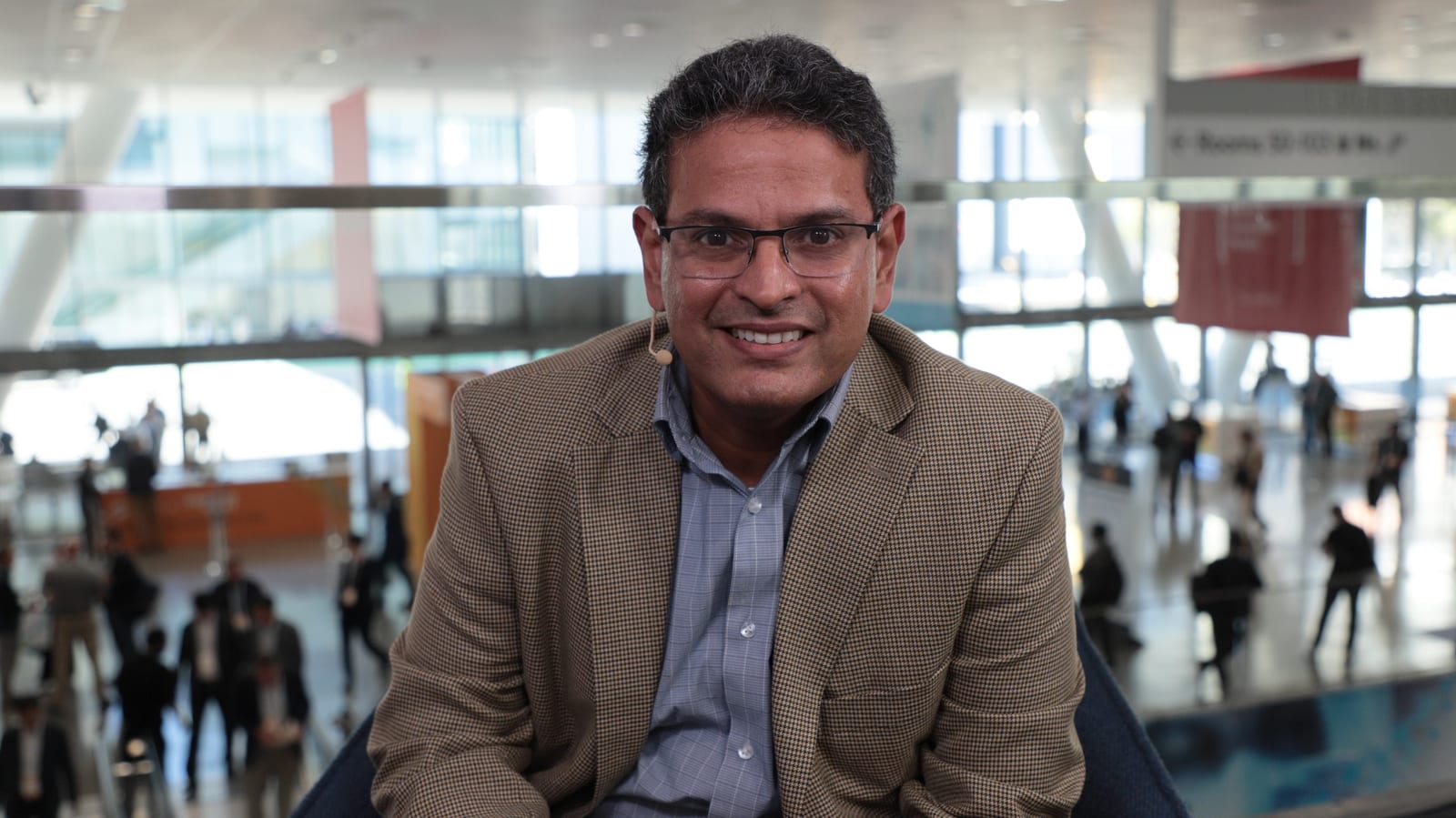
SEMI President and CEO Ajit Manocha told DIGITIMES that the semiconductor industry reached the US$1 trillion r…
CoreWeave fell more than 25% this week, its debt yield briefly rose above 16% on Thursday, and SK Hynix droppe…

Nvidia's AI Enterprise lists at $4,500 per GPU annually, and paid subscriptions add supported software, securi…
Anthropic told investors this week that it is making 85% gross margins, a figure the columnist calls a cash co…
Modal Labs, an AI infrastructure provider, raised $750 million in a Series D led by Accel at a $15.75 billion…