
What happened
Apple researchers, with collaborators from Georgia Institute of Technology and University of Texas at Austin, propose an integrated enlarge-and-prune pipeline for generative language model pretraining. The method combines enlarge model training, pruning, and recovery under a single cosine annealing learning rate schedule, and uses a novel iterative structured pruning method.
Why it matters
The study addresses whether pretraining an enlarged model is worth it even if it's never deployed, and how to optimize the pipeline for better pruned models. Experiments compressing 2.8B models to 1.3B with up to 2T tokens show the approach achieves superior performance of pruned models and provides insights into token efficiency.
What to watch
The paper suggests enlarged model pretraining can be efficiently integrated into pruning, potentially offering a more effective alternative to training target-size models from scratch within limited inference budgets. The full research paper is available at machinelearning.apple.com.
Summaries like this, in your inbox every morning.
This research tackles a fundamental question in LLM development: whether pretraining an oversized model, which is never actually deployed, is a worthwhile investment. The team argues that while structured pruning pipelines have shown promise in token efficiency compared to training target-size models from scratch, previous works often ignored the benefits of incorporating enlarged model pretraining. Their integrated approach treats enlargement, pruning, and recovery as one system under a single learning rate schedule. The iterative structured pruning method gradually removes parameters, which appears to help redistribute model capacity among surviving neurons. This leads to smoother compression and enhanced performance. The findings, based on experiments with up to 2T tokens, suggest that the token efficiency of enlarged model pretraining offers practical benefits even when the larger model is never served to users.
Pick your industry and the AI tools you use, and get news related to your work every day.
Free · 30 seconds with Google · unsubscribe anytimeWhat is AIToday? →
Ask AI anything about this article. The AI reads this article, earlier AIToday articles, and Wikipedia, and cites its sources. Q&As are published on this page for other readers too.
ElevenLabs completed a $300 million employee tender at a $22 billion valuation, and co-founder Mati Staniszews…
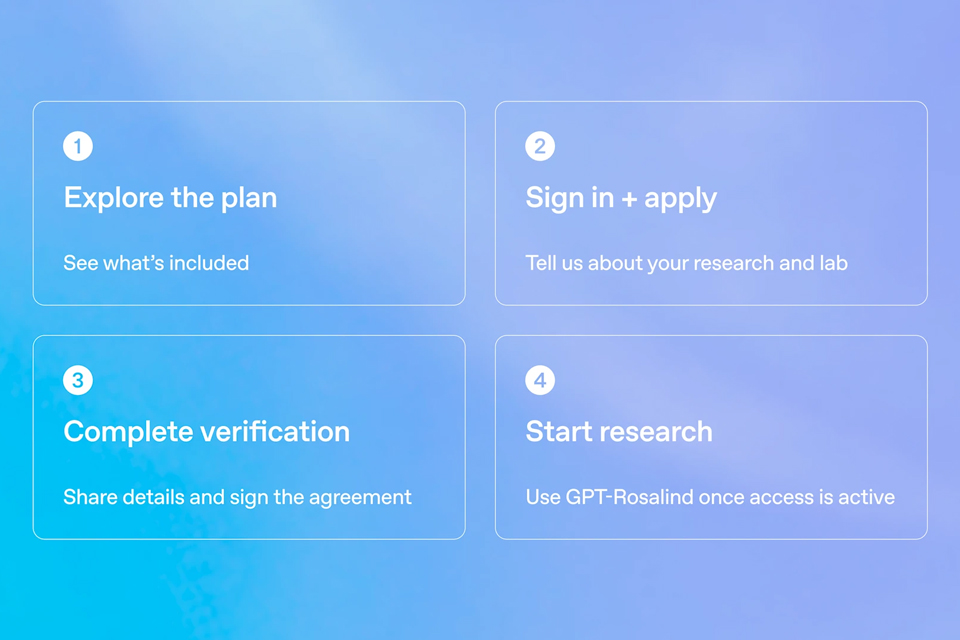
On October 15, OpenAI announced the Rosalind Academic Plan, giving approved US university labs free access to…
A Qiita article compared automated red-teaming methods for LLM apps — GCG, PAIR, and TAP — using mock implemen…
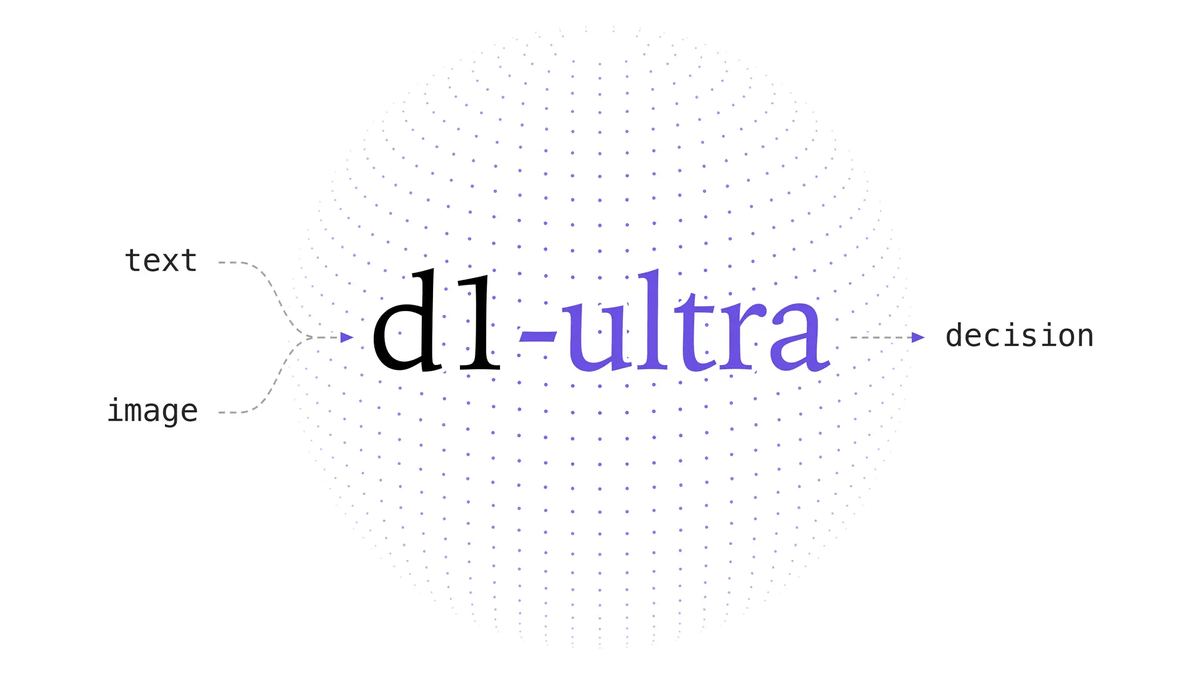
Liquid AI released d1-ultra on October 15, 2026, an upgraded open-weights decision model that averaged 76.7 ac…
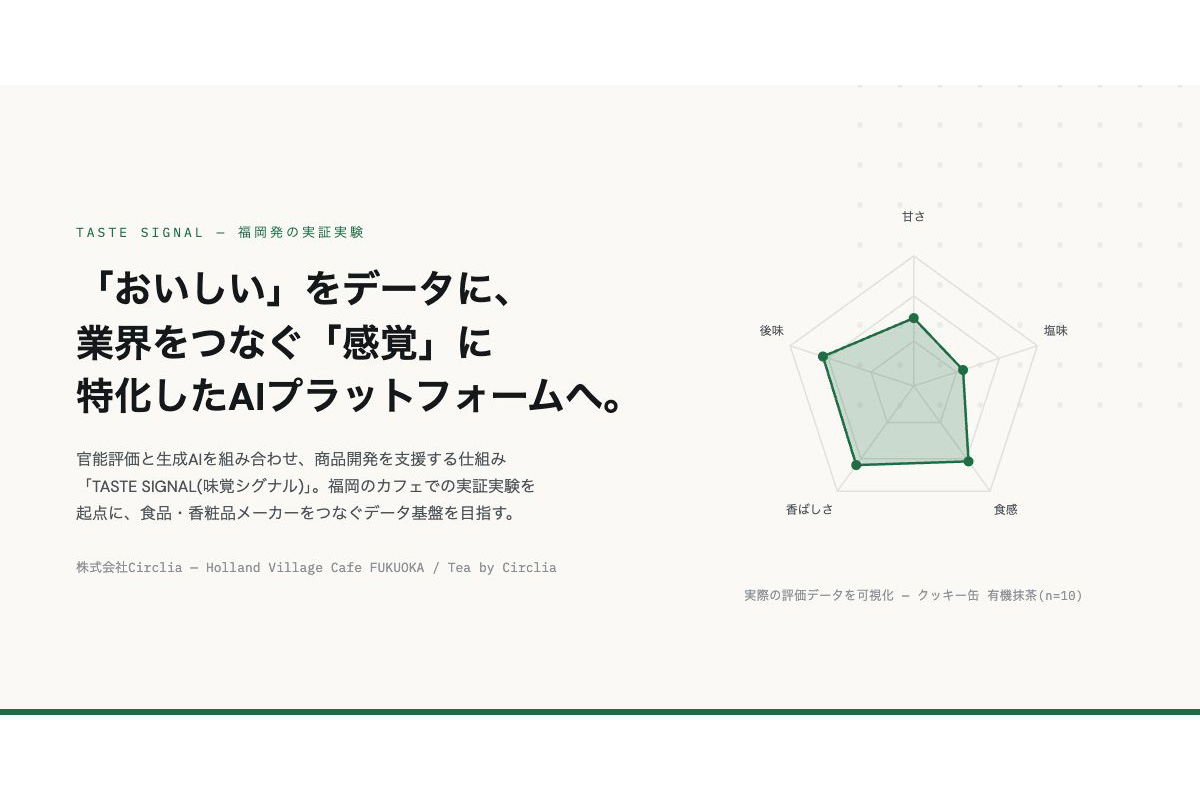
Circlia started a proof-of-concept for TASTE SIGNAL: visitors to Holland Village Cafe FUKUOKA taste cookies an…
In a webinar hosted by French Mathematical Society president Isabelle Gallagher, Fields Medal winner Hugo Dumi…

