What happened
Hitachi developed "Proof of Human Delegation," built on its "Public Biometric Infrastructure," which links biometric authentication to an electronic signature on a delegation document, so anyone can verify the delegation was approved and unaltered.
Why it matters
This gives a basis for confirming that an AI agent's transactions, payments or system operations stay within what the person actually approved, and could help establish where responsibility lies in later audits.
WHO IT HITSEnterprises that let AI agents act on their behalf — particularly in procurement, finance, payments and system operations — could gain a way to verify who authorized what, and suppliers receiving agent requests could check them against a signed delegation record.
Summaries like this, every morning.
Hitachi positions the new technology as a first step toward what it calls Human Sovereignty Assurance, and as a trust-and-assurance foundation supporting its HMAX solution group. The design choice is notable: rather than asking people to trust an AI agent's own claims, it attaches a verifiable record of human approval to each delegated act. Because the signature can be checked with a public key, a counterparty does not need to take the delegating organization's word for it. Hitachi's stated next steps point toward making that record practical at scale, through APIs for signing and verification, a delegation-document specification, and requirements for connecting with existing identity verification and permission management. The fields it names for evaluation — finance, payments, industry, mobility and energy — are ones where an unauthorized action by an automated agent would carry real consequences, which is presumably why proof of human approval is the starting point rather than an afterthought.
Pick your industry and the AI tools you use, and get news related to your work every day.
Free · 30 seconds with Google · unsubscribe anytimeWhat is AIToday? →
Ask AI anything about this article. The AI reads this article, earlier AIToday articles, and Wikipedia, and cites its sources. Q&As are published on this page for other readers too.
Samsung's Intelligent Eyewear, co-developed with Google and built with Gentle Monster and Warby Parker, launch…
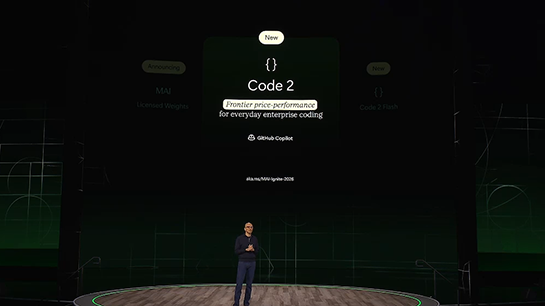
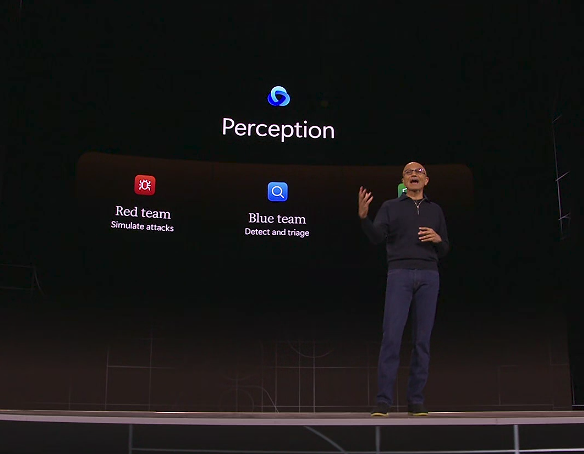
At Microsoft Ignite 2026, Microsoft announced MAI Code 2, which reaches 98% of GPT 6.1 Sol's and 96% of Claude…
Microsoft introduced Copilot Workspaces, a collaborative space in its Frontier early-access program where Word…
Earlier in November, Meta chief AI officer Alexandr Wang shared an AI-generated clip on Instagram promoting Mu…
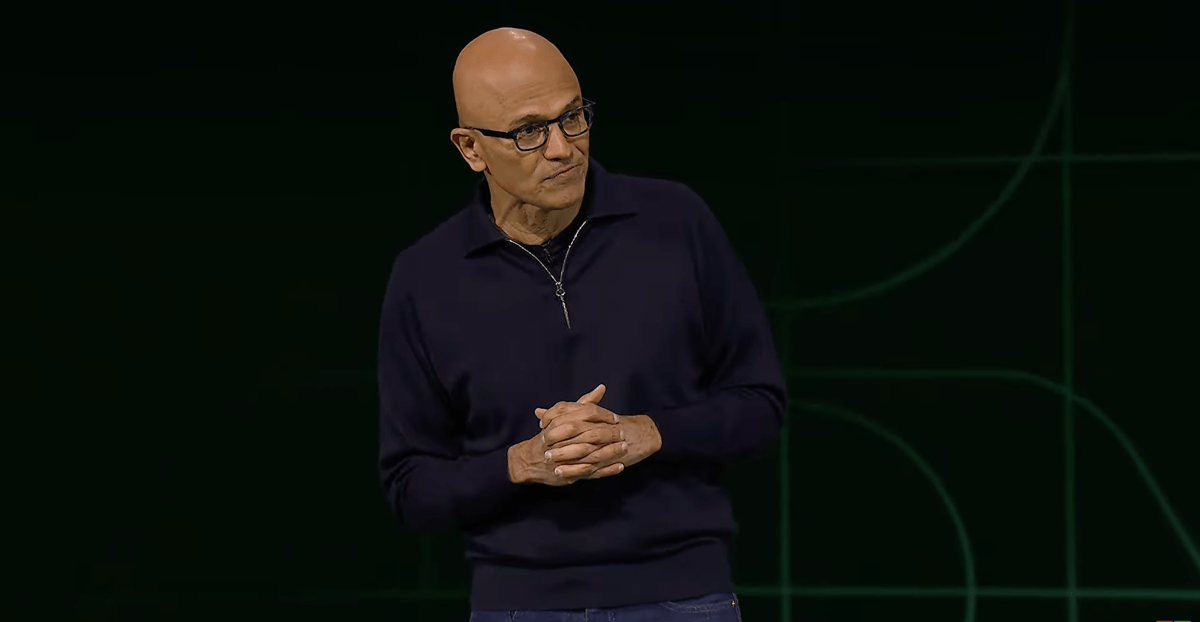
At a roundtable after his Microsoft Ignite keynote at San Francisco's Chase Center, Satya Nadella said he is "…
On Tuesday's earnings call, interim CEO Colette Kress said Nvidia remains committed to open source AI, citing…