What happened
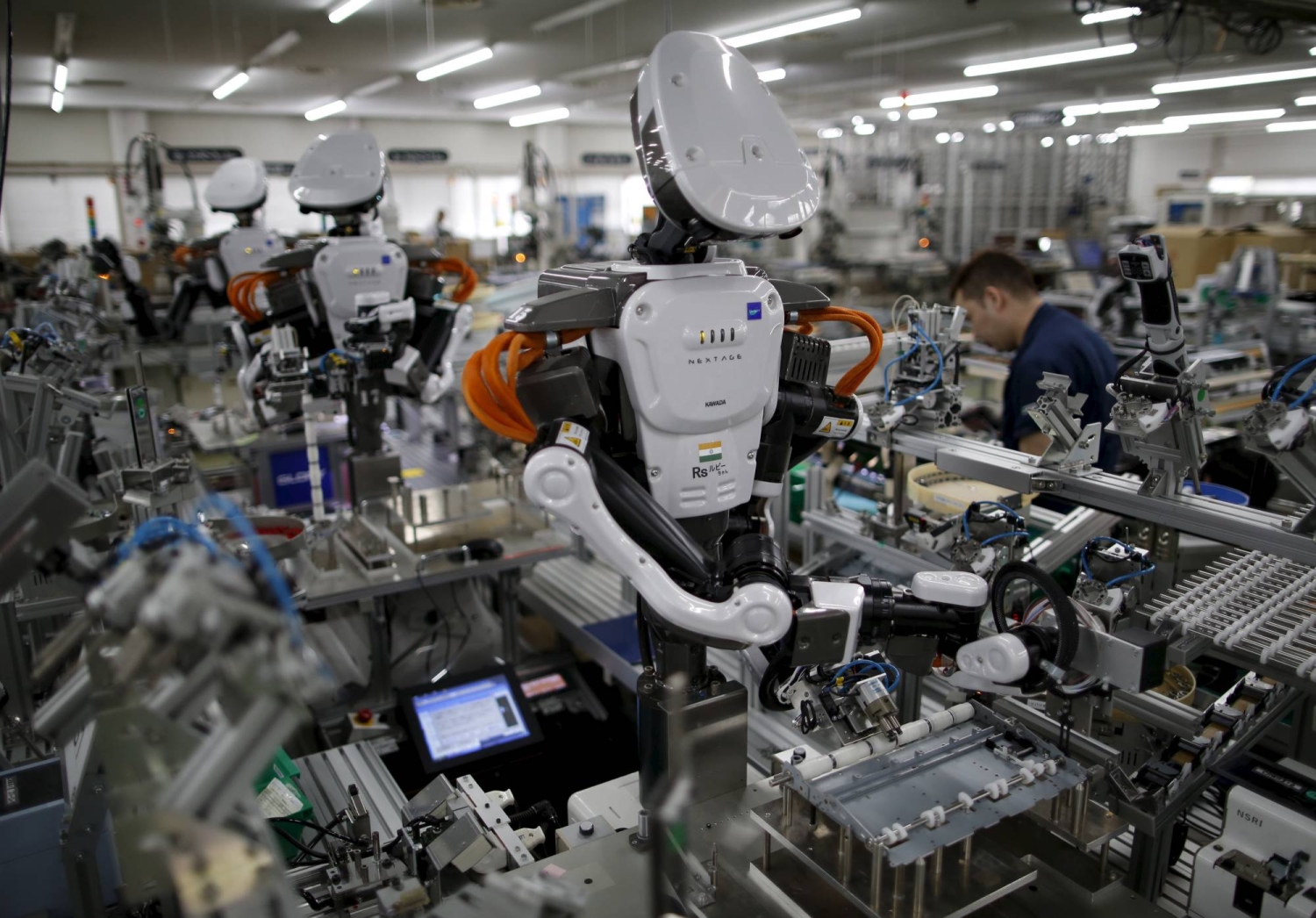
Japan is urged to prioritize AI in factories, using examples like Toyota, FANUC, and Musashi Seimitsu, which run on one or two GPUs, not large data centers.
Why it matters
Japan's competitiveness in AI should be measured by industrial efficiency, not computing power, shifting focus from mega-racks like NVIDIA GB200 NVL72 to edge AI.
What to watch
Success hinges on widespread adoption of factory AI across industries, not just in leading companies like Toyota and FANUC.
WHO IT HITSManufacturing firms and their operational leaders will be most affected, as they need to integrate AI into factory processes to maintain competitiveness.
Summaries like this, in your inbox every morning.
The article argues that Japan's competitive edge lies in industrial AI, not in building massive computing infrastructure. It contrasts the efficiency of factory AI with the high energy demands of data centers, suggesting a strategic pivot. The stakes involve sustaining Japan's manufacturing leadership by integrating AI where it already excels. The success of this approach depends on broader adoption across industries, beyond exemplars like Toyota and FANUC.
Pick your industry and the AI tools you use, and get news related to your work every day.
Free · 30 seconds with Google · unsubscribe anytimeWhat is AIToday? →
Ask AI anything about this article. The AI reads this article, earlier AIToday articles, and Wikipedia, and cites its sources. Q&As are published on this page for other readers too.
Seeking Alpha published a Strong Buy rating on Sandisk, framing it against investor concerns over China and AI…

Merck announced a collaboration with NVIDIA, Microsoft and Dawn Health to build an AI digital companion offeri…

Palantir said it cannot shut off the NATO AI system it supplies, according to Reuters

Oracle stock was caught in the AI debt selloff, according to Barron's, which argues that reaction could be a m…

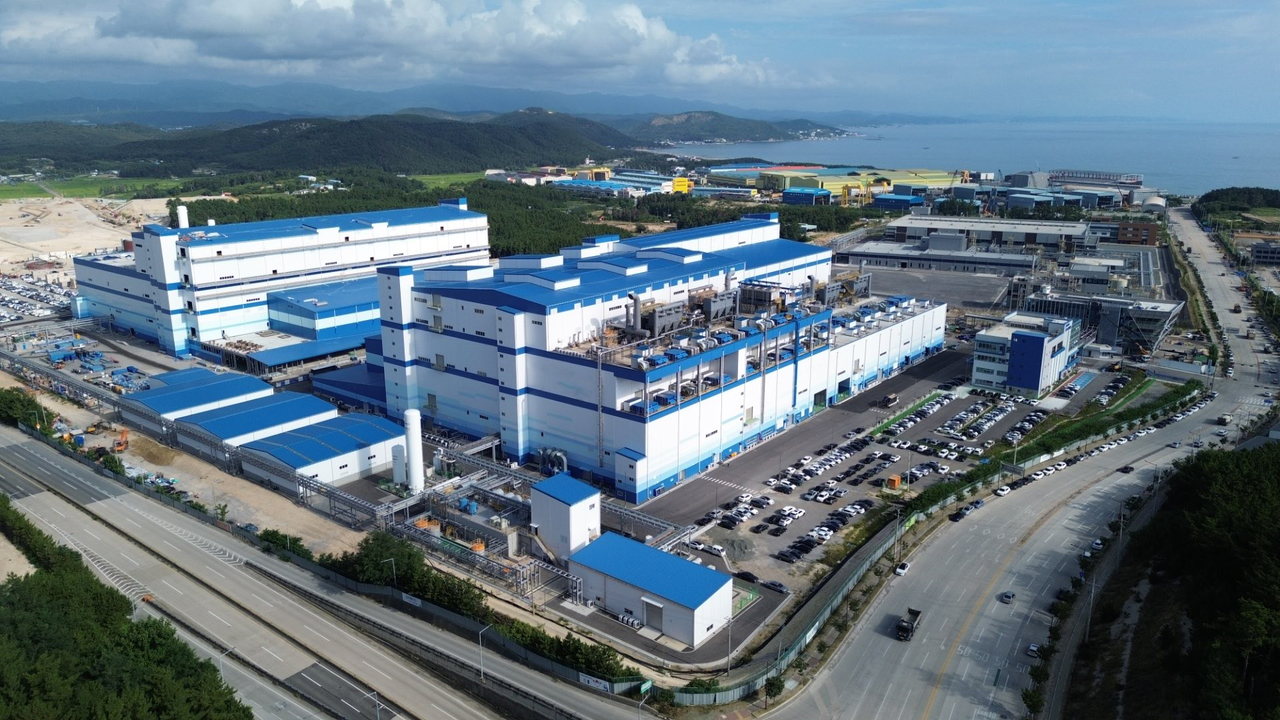
Posco Future M signed an agreement with Palantir to adopt its Foundry data analytics platform and Artificial I…
P&G CFO Andre Schulten said the company is proactively preparing for AI agents that place orders and reshape s…