What happened
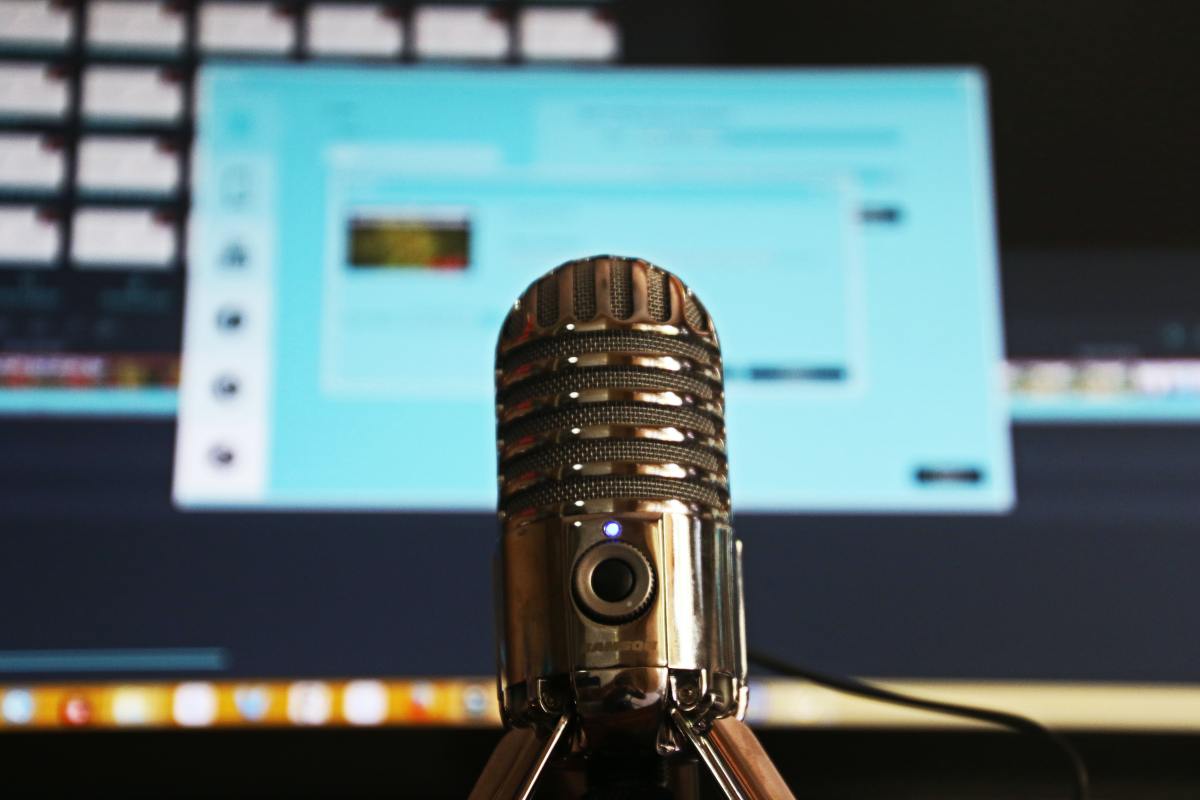
Particle, the AI newsreader startup founded by former Twitter engineers, introduced Radar, a podcast search engine that transcribes and understands audio to pull out key quotes and highlights. It transcribes more than 130,000 podcasts, including all Apple Top 200 podcasts across its 135 verticals, with 20,000 episodes added daily.
Why it matters
The product has attracted interest from hedge funds, which have been the highest-volume customers directly integrating with the API, according to CEO Sara Beykpour. AI agents are generally "blind to audio," so Radar provides a layer that makes spoken content accessible to them programmatically.
What to watch
Radar is priced at $29 a month per seat, with a $399-per-month plan for businesses that includes 20 seats. API users have custom pricing, and the company plans to expand beyond podcasts to support other audio forms such as YouTube videos and news clips.
Summaries like this, in your inbox every morning.
Particle's pivot from a consumer newsreading app to an API-first audio intelligence company reflects a growing market need. The company's original app sourced podcast clips using an API, and the team realized the value of that feature was trapped inside the news reader. With the rise of AI agents, they decided to build a dedicated API for podcast intelligence instead.
The core insight is that AI agents are primarily text-based and cannot process audio unless it has been transcribed. Radar aims to fill this gap by not only transcribing podcasts but also understanding entities and topics, extracting notable clips, and tracking mentions over time. Beyond search and alerts, it offers additional tools like podcast ads search, political bias analysis, chart rankings, audience size estimates, and sponsorship data, indicating multiple monetization avenues.
Radar's early traction with hedge funds suggests a strong demand for proprietary data sources that AI agents cannot access through standard web crawling. As the service expands to other audio forms like YouTube videos, it could become a broader layer of audio intelligence for AI systems and businesses.
Pick your industry and the AI tools you use, and get news related to your work every day.
Free · 30 seconds with Google · unsubscribe anytimeWhat is AIToday? →
Ask AI anything about this article. The AI reads this article, earlier AIToday articles, and Wikipedia, and cites its sources. Q&As are published on this page for other readers too.
In Q2, billionaires or their funds sold six 'Magnificent Seven' AI stocks

Nvidia was rising early Friday, even as the wider chip sector kept falling, Barron's reported

ElevenLabs completed a $300 million employee tender at a $22 billion valuation, and co-founder Mati Staniszews…

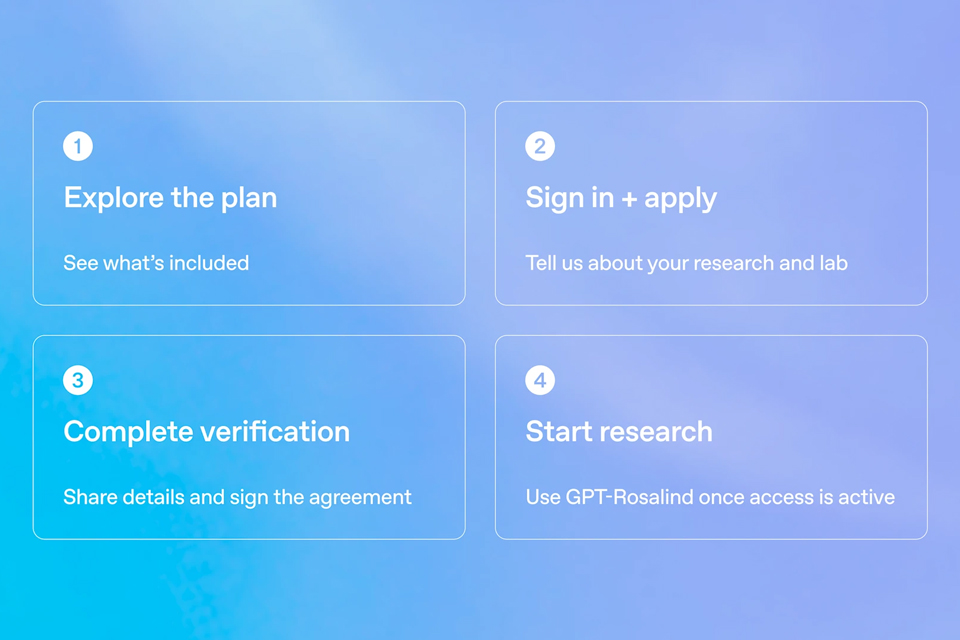
On October 15, OpenAI announced the Rosalind Academic Plan, giving approved US university labs free access to…
Neostellar Capital principal Evan Schlossman said CoreWeave's $103.7 billion in remaining performance obligati…
A Qiita article compared automated red-teaming methods for LLM apps — GCG, PAIR, and TAP — using mock implemen…


