What happened
Jenny Shern, general manager of NexCOBOT, said acquisitions of robotics startups by Big Tech will continue. Recent examples include Mobileye buying Mentee Robotics for $900 million in January, Amazon acquiring Fauna Robotics in March, and Meta picking up Assured Robot Intelligence in May.
Why it matters
Smaller robotics firms bring expertise in areas like robot learning and perception, while large companies offer computing infrastructure and capital. Shern noted that a more selective funding environment may pressure early-stage startups to validate their business models sooner, potentially slowing new entrants but encouraging focused innovation.
What to watch
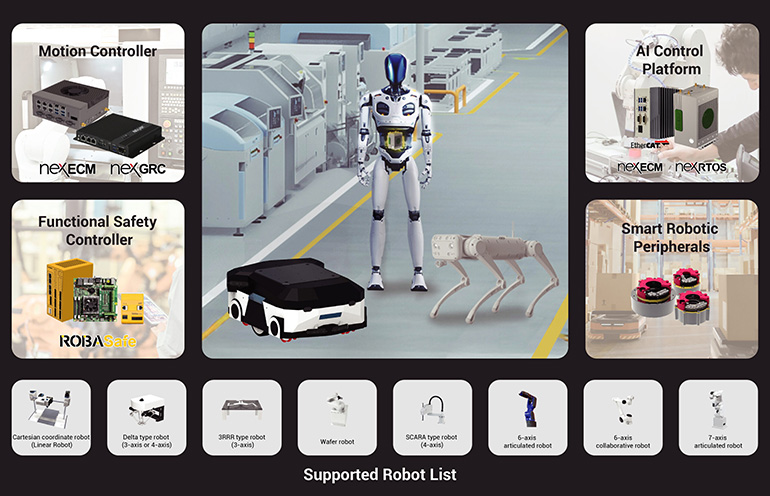
NexCOBOT says it is focusing on scaling its open, functional safety robotic controllers and fulfilling its backlog of global orders as it heads into mass production. The company also highlighted a client case where its certified functional safety controller shortened a development cycle from an estimated three to five years to just two years.
Summaries like this, in your inbox every morning.
The article captures a moment where physical AI—robots that incorporate AI into perception, decision-making, and interaction—is moving from research into commercial reality. Shern highlights that large tech companies are buying startups for faster innovation, citing Mobileye's $900 million acquisition of Mentee Robotics in January, Amazon's purchase of Fauna Robotics in March, and Meta's acquisition of Assured Robot Intelligence in May. This trend, she argues, stems from startups' deep expertise in robot learning and perception pairing with Big Tech's infrastructure and capital.
Shern describes a funding landscape that is becoming more selective. While capital remains available for companies with clear technical differentiation and a path to commercialization, early-stage startups may need to validate their business models sooner. This could slow the number of new entrants but potentially encourage more focused innovation.
For industrial adoption, reliability and safety remain critical. NexCOBOT's example of a client shortening its development cycle from an estimated three to five years to two years using an open functional safety controller illustrates how modular platforms can help bridge the speed gap between software and hardware. Shern expects adoption to advance in stages as AI-native robots prove themselves in real-world environments.
Pick your industry and the AI tools you use, and get news related to your work every day.
Free · 30 seconds with Google · unsubscribe anytimeWhat is AIToday? →
Ask AI anything about this article. The AI reads this article, earlier AIToday articles, and Wikipedia, and cites its sources. Q&As are published on this page for other readers too.
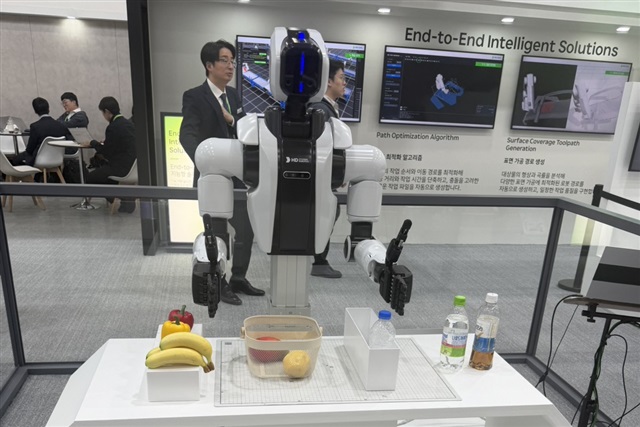
HD Hyundai Robotics unveiled a dual-arm robot under development at FIX 2026 in Daegu, South Korea, on October…
OpenAI's models, including GPT-6 Astra, and its Codex coding agent will be available through Google Cloud's Mo…

Anthropic reportedly plans to spend $750 billion on adding compute capacity in the coming years, including hun…
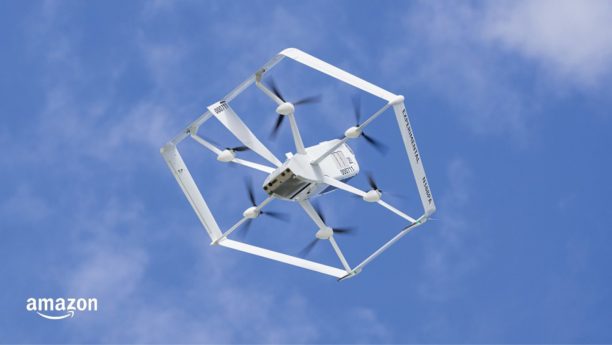
Northglenn, Colorado, advanced a land-use ordinance on October 12 that would confine drone delivery hubs to in…
NVIDIA announced DSX POD, a modular AI factory pairing Vera Rubin systems with power, cooling and networking…
On held-out synthetic data (32 requests, 7 tasks), sending everything to an LLM cost about $0.15, versus $0.01…