What happened
A new report by Alipay+ and S&P Global, based on a survey of 6,000 consumers across nine markets in Asia, Europe, and the US, finds a widening 'commerce digitalisation gap'. While 81.3% of travelers use AI for trip discovery, only 26% trust it for payments or autonomous decisions.
Why it matters
The gap between AI use for planning and for transactions comes down to trust. Privacy concerns affect 43% of consumers, and 43% prefer planning travel themselves. This suggests that for AI-driven commerce to grow, platforms must embed AI within trusted ecosystems, as Ant International's President Douglas Feagin noted.
What to watch
Ant International is responding with new tools for wallet partners, including the Alipay+ Agentic Mobile Protocol (AMP), called the world's first open-source framework for agentic mobile payments. These aim to help partners build integrated, AI-native services that keep user trust and control.
Summaries like this, in your inbox every morning.
The report underscores a pivotal moment in global commerce: while mobile payments have become the norm for in-destination spending, the infrastructure that supports them remains fragmented. With over half of consumers citing concerns about merchant acceptance, exchange rates, and security, the friction is tangible. This is why one in four travelers still carries cash as a fallback, particularly those from markets perceived as less interoperable.
Ant International's response is to position Alipay+ not just as a payment gateway, but as an ecosystem builder. By introducing the Alipay+ Agentic Mobile Protocol (AMP) and other tools, they aim to help wallet partners integrate AI securely. This approach directly addresses the trust gap, which is crucial because while 81.3% of consumers use AI for discovery, confidence drops sharply to 26% for autonomous financial actions.
The data reveals a clear regional split in preferences, which the company acknowledges. Consumers in Asia, like those in China and Malaysia, prefer integrated, QR-based wallets, whereas users in Germany, the US, and the UK lean toward NFC-linked cards. For global commerce to evolve, solutions must accommodate these varied expectations. The report's emphasis on interoperability and user trust appears to be a strategic guide for Ant International's roadmap, as it seeks to make AI a trusted partner in the entire travel journey, not just the inspiration phase.
Pick your industry and the AI tools you use, and get news related to your work every day.
Free · 30 seconds with Google · unsubscribe anytimeWhat is AIToday? →
Ask AI anything about this article. The AI reads this article, earlier AIToday articles, and Wikipedia, and cites its sources. Q&As are published on this page for other readers too.
Dell CFO David Kennedy told theCUBE that CFOs are adding a dedicated line item for token spend and tracking it…

Otter.ai raised $320 million entirely from General Catalyst's Customer Value Fund, which takes a share of reve…

OpenAI Group PBC acquired drug development software startup Orchestra Bio Inc., whose AI agents monitor studie…
Inception AI released Mercury 3, a diffusion model it says beat GPT-6 Luna and Claude Haiku 5.5 on eight of 12…

DeepSeek released DeepInfer on GitHub under the Apache 2.0 license; it supports only DeepSeek-V4.1-Flash and r…
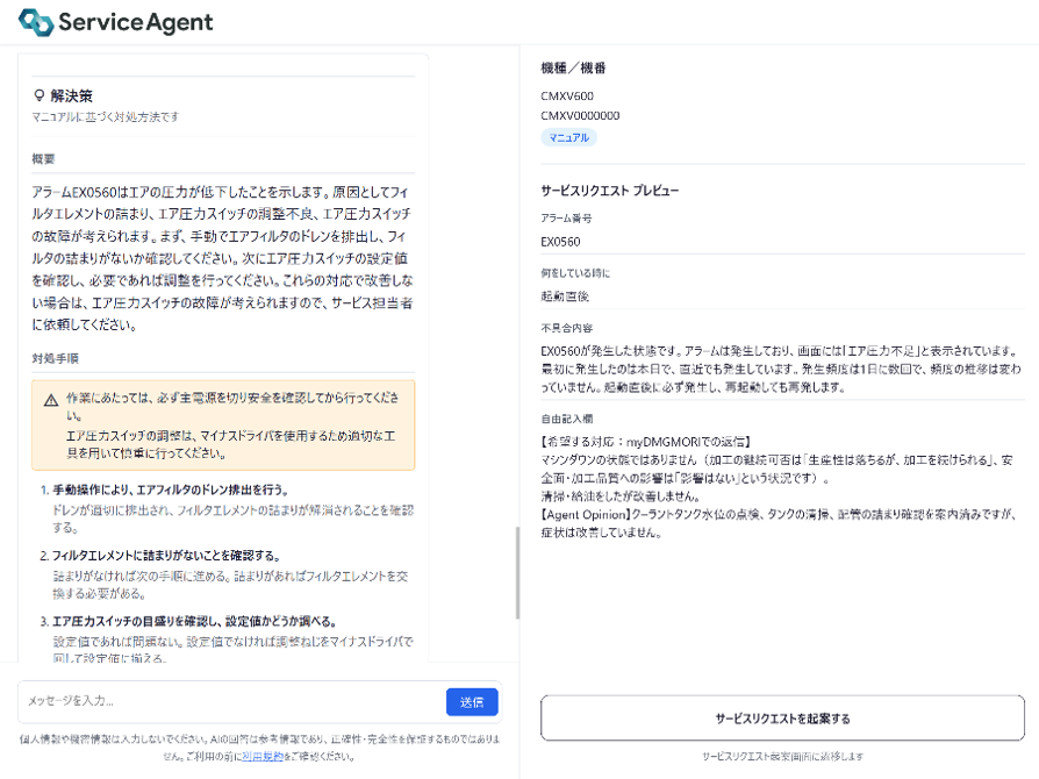
On October 19, 2026, DMG MORI began offering Service Agent on the my DMG MORI customer portal, where generativ…