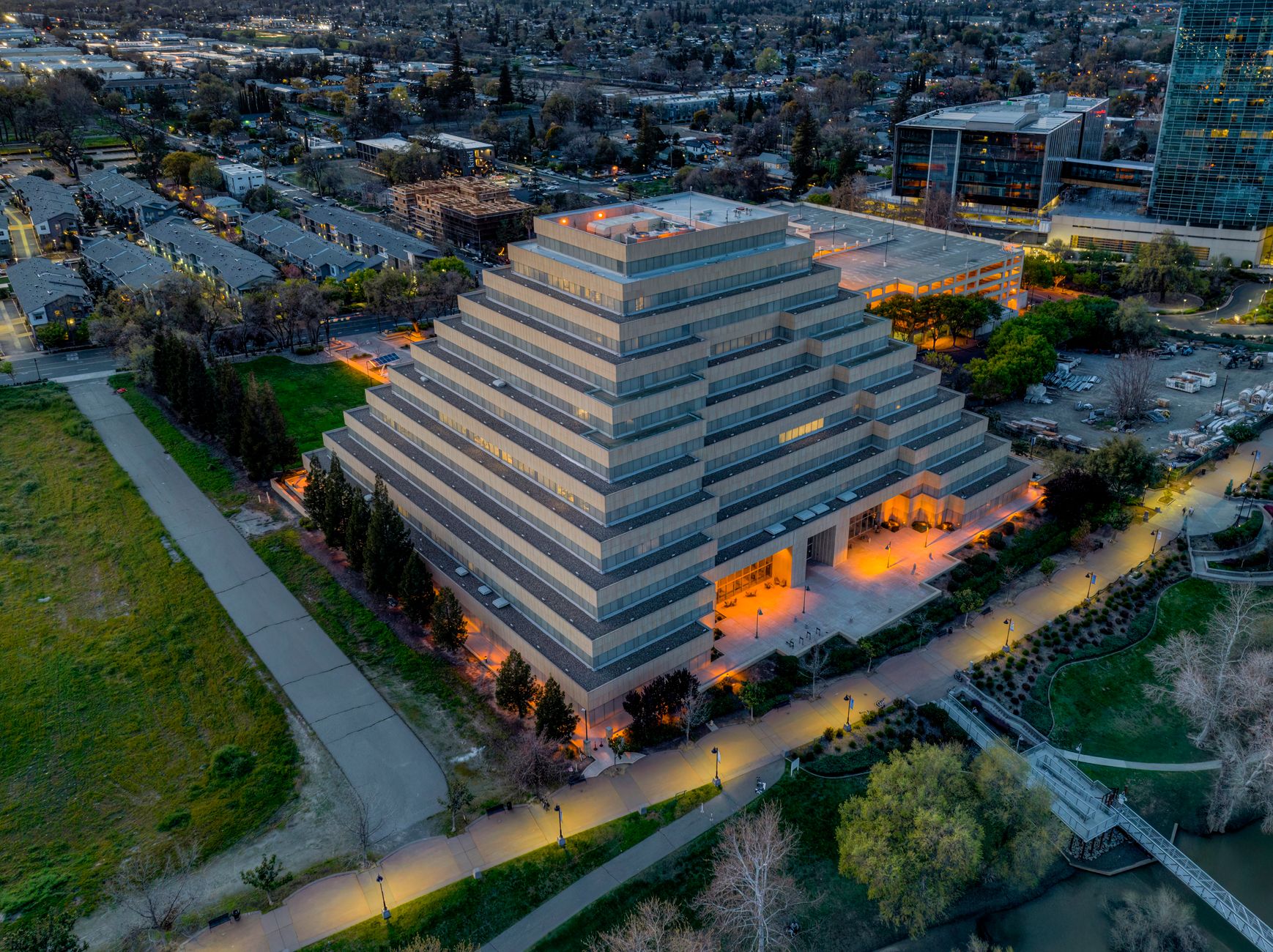
Wells Fargo has identified commercial real estate as positioned to benefit from sustained demand for AI infrastructure and services.
The bank's outlook suggests that AI investment and expansion by companies will drive demand for physical space, supporting the CRE sector.
What happened
Wells Fargo identified commercial real estate (CRE) as a beneficiary of what it calls "unrelenting demand for all things AI," signaling the bank's view that AI investment will drive demand for physical infrastructure.
Why it matters
Commercial real estate depends on occupancy and tenant strength; if AI-driven business expansion fuels demand for office, data center, and logistics space, it could strengthen fundamentals for property owners and lenders like Wells Fargo.
What to watch
How AI infrastructure buildout translates into actual leasing activity and valuations in CRE markets, particularly in data center and tech-hub regions.
Wells Fargo has identified commercial real estate as a sector poised to benefit from sustained and intense demand for artificial intelligence infrastructure and services. The bank characterized this demand as "unrelenting," suggesting confidence that AI-driven expansion by companies will translate into increased demand for physical real estate assets. This outlook reflects a growing recognition among financial institutions that AI capital expenditure is not a short-term phenomenon but a structural shift that will require substantial physical infrastructure—including data centers, office space for technology talent, and logistics facilities for hardware and supply chains. Wells Fargo's positioning of CRE as a beneficiary of this trend indicates the bank sees opportunity in financing and investing in properties that serve the AI economy.
Wells Fargo's observation reflects a broader market dynamic: as companies accelerate AI spending and buildout, they require physical infrastructure—data centers, offices, and logistics facilities—to support those operations. The bank's framing of this demand as "unrelenting" underscores its confidence in the persistence and scale of AI-related capital expenditure. For the commercial real estate sector, which has faced headwinds from remote work and changing tenant preferences, AI-driven infrastructure demand offers a potential growth vector, particularly in tech hubs and logistics nodes.
AI-summarized, only the topics you pick — one digest a day via Email, Slack, or Discord.
Free · takes 30 seconds · unsubscribe anytime
Ask AI anything about this article. Q&As are published on this page for other readers too.
Marvell Technology's stock rose around 5 percent, driven by social media discussion of its optical networking…

Three semiconductor equipment suppliers—Onto Innovation (US$1.1b revenue, US$15.7b market value), KLA (US$13.6…

IBM and OpenAI announced a strategic partnership on August 13, 2026, embedding OpenAI frontier models like GPT…

Micron's third-quarter fiscal 2026 revenues jumped 346% year over year to $41.46 billion, driven by strong dat…

GE Vernova (NYSE:GEV), a power infrastructure company spun off from General Electric, is being highlighted as…

ExxonMobil deployed artificial intelligence, machine learning, high-performance computing, and seismic techniq…
The AI news that matters, in one minute each morning.
Sign up free