What happened
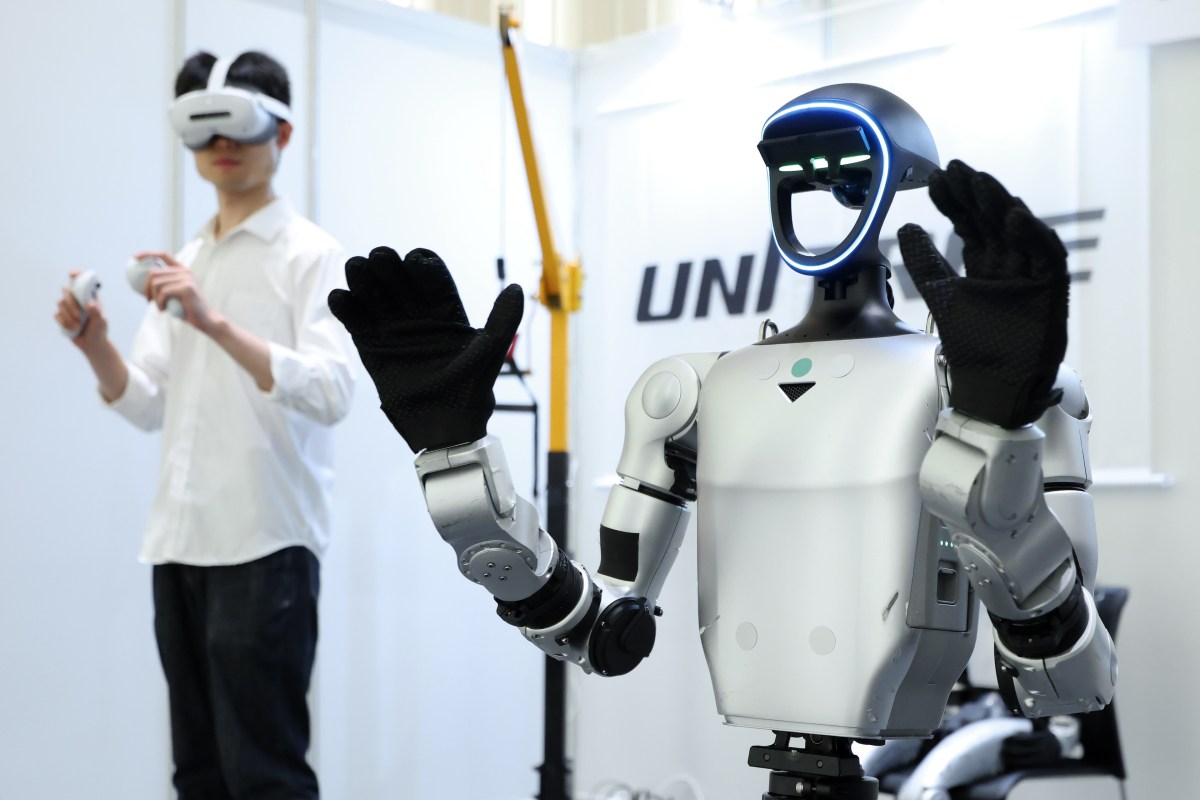
Unitree, China's leading robot maker, saw its value drop by nearly half this week after a $66 billion valuation at its IPO. Analysts cite the robots' lack of know-how to do value-creating work.
Why it matters
Physical AI, which applies LLM tools to robotics, is a hot venture sector, but the shortage of high-quality training data and the immaturity of general-purpose robots limit real-world value. Developers aim to mimic frontier AI labs by improving data diversity and training methods.
What to watch
The debate over whether to focus on specific tasks, as Gritt (solar farms), Agility (industrial), and Bedrock (excavators) do, or pursue general-purpose humanoids. Also, Tesla, Wayve, and Uber have launched robotics labs, signaling auto companies' interest.
Summaries like this, in your inbox every morning.
The physical AI sector is at a critical juncture. The recent IPO of Unitree and its subsequent value drop highlight the gap between hardware progress and software intelligence. While the event at Actuate showed signs of growth, the crisis of data quality remains a bottleneck. Developers are exploring various approaches, from task-specific robots that generate real-world data to general models that aim for versatility but face reliability issues. The entry of auto companies like Tesla, Wayve, and Uber into humanoid robotics suggests a convergence of expertise in ML tooling and vehicle data, which could accelerate progress. However, the debate over whether to focus on verticals or go general is unresolved, with leaders like Gervet cautioning that narrow solutions may be crushed by more advanced models. The future 'ChatGPT moment' for physical AI might not come from a single breakthrough, but rather from a gradual improvement in reliability and distribution, as Foxglove's CEO suggests. Ultimately, the sector is waiting for a product that excites consumers and proves value beyond investor enthusiasm.
Pick your industry and the AI tools you use, and get news related to your work every day.
Free · 30 seconds with Google · unsubscribe anytimeWhat is AIToday? →
Ask AI anything about this article. The AI reads this article, earlier AIToday articles, and Wikipedia, and cites its sources. Q&As are published on this page for other readers too.
Chunghwa Telecom president Rong-shy Lin said the shift from conversational AI to autonomous AI agents is resha…
CoreWeave fell 5% in premarket trading Friday and was on track to finish the week down 15%, after rebounding f…
Apple and Meta said they would jointly release a new open-weight AI model designed to run on high-end Macs, ai…

Investors put $38.5 billion into Asian startups in Q3, per Crunchbase data

A writer and entrepreneur opened his daily to-do list and found 156 items, and concluded that an AI assistant…

A longtime Anthropic investor told Fortune he expects shares priced around $1.8 trillion, below the company's…