Researchers from Forethought, Columbia University, and the University of Virginia developed a framework showing that 13% automation across all sectors is sufficient to push the economy into explosive growth regime, with hardware research identified as dominant lever—automating one task in chip design moves the economy as much as five tasks in software or ten times those in aggregate TFP.
Meta and KAIST published a conceptual paper on Neural Computers—unified systems where a single learned runtime state acts as the computer itself, unifying computation, memory, and I/O rather than engineered as separate modules—with early prototypes using generative video models to create neural computers based on command-line interface (CLI) and graphical user-interface (GUI), both demonstrating elementary runtime primitives like I/O alignment and short-horizon control.
The economic model suggests that under a baseline stylized simulation, full automation of software R&D plus just 5% automation across the rest of the economy could cause the 'singularity' to arrive in roughly six years, with the paper recommending that monitoring automation levels in AI R&D activities may be as important as tracking traditional macroeconomic indicators.
Ask the AI about this article →
For example, today's edition would include:
AI-summarized, only the topics you pick — one digest a day via Email, Slack, or Discord.
Free · takes 30 seconds · unsubscribe anytimeWhat is AIToday? →
Ask AI anything about this article. Q&As are published on this page for other readers too.
The Consumer Affairs Agency said Tuesday it will use generative AI to analyze about 900,000 annual consultatio…
The Supreme Court of Japan has included about ¥60 million in its fiscal 2027 budget request for AI-related exp…

OpenAI announced its support for California Senate Bill 1119, which aims to establish strong, age-appropriate…

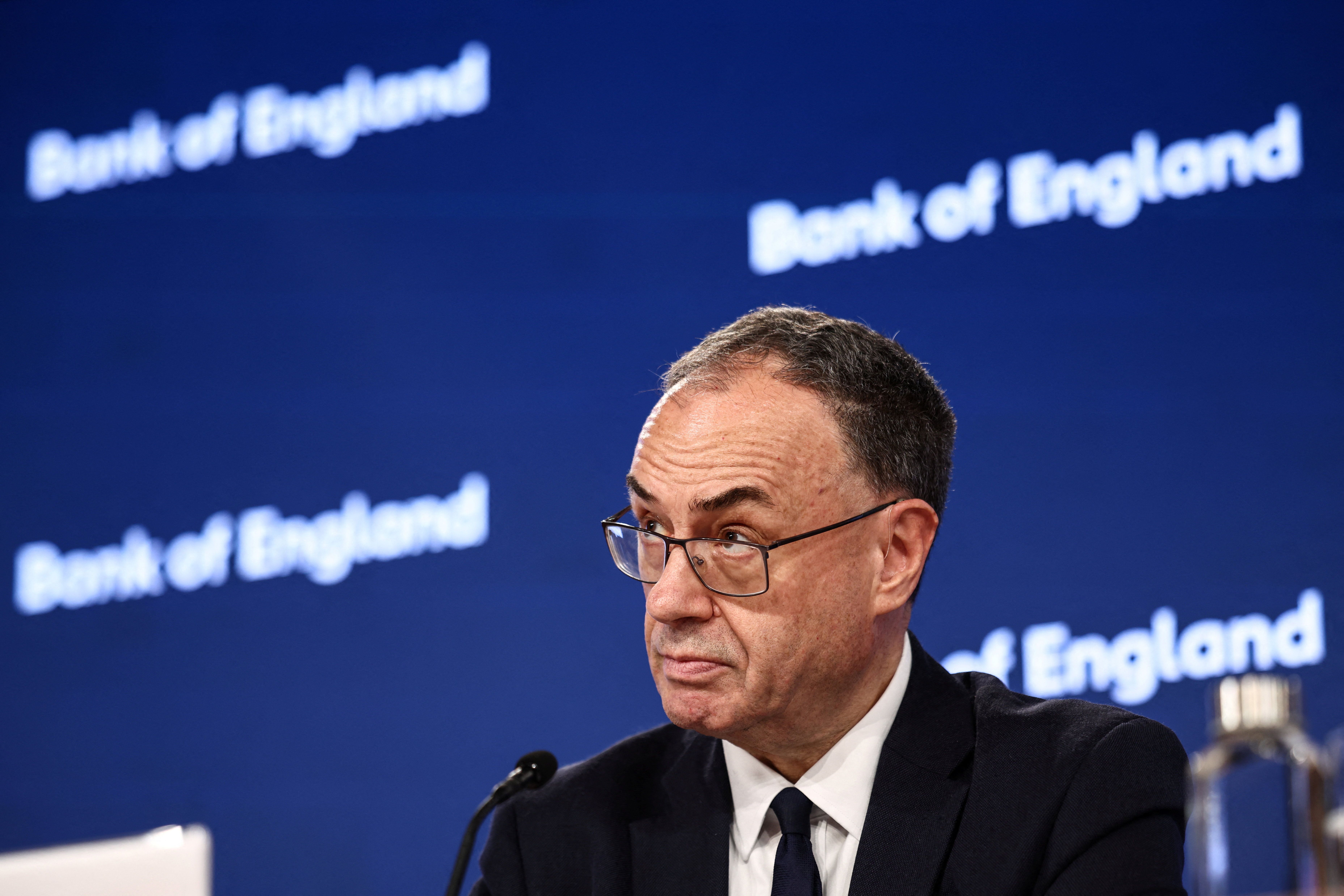
Bank of England governor Andrew Bailey warned that advanced AI poses risks to financial infrastructure in a le…

Andrew Bailey, head of the world's financial stability watchdog, warned in a letter to G20 finance ministers a…
The European Union is expanding regulation of ChatGPT and will mandate protections for minors