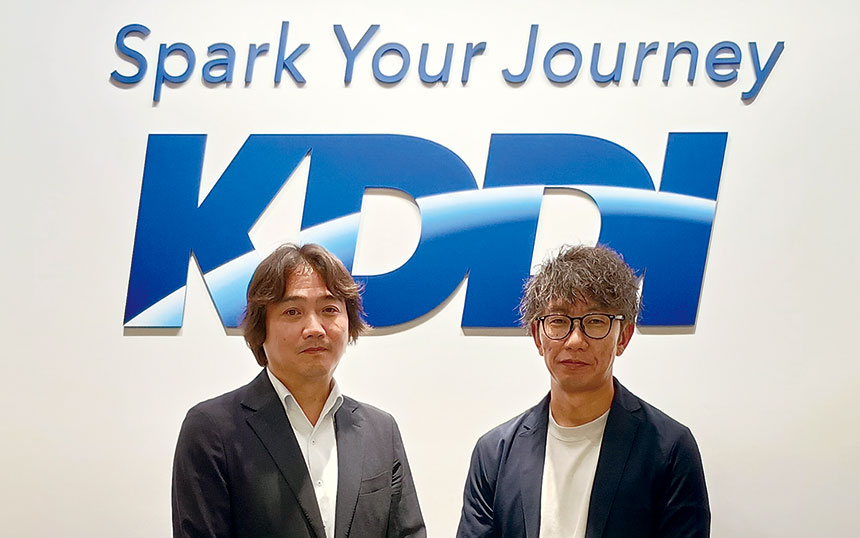
KDDI has started using an AI agent to help identify network fault causes. It launched commercially in February 2026 for cloud-based services.
The agent analyzes service correlations and alarms to speed up recovery.
KDDI plans a maintenance AI agent for fiscal year 2026.
What happened
KDDI began commercial operation of its '復旧支援AIエージェント' (fault-recovery support AI agent) in February 2026. The agent analyzes service-system correlations, equipment alarms, and maintenance work to help identify the cause of failures in cloud-based services like voice calls, data communications, and au PAY.
Why it matters
This deployment builds on KDDI's response to a major network outage in 2022 and its 'スマートオペレーション' initiative running since 2021, which centralizes operational data. The goal is not just efficiency but redefining telecom operations ahead of the 6G era, as virtualized networks make fault isolation harder.
What to watch
KDDI is planning to commercialize a '保全AIエージェント' (maintenance AI agent) within fiscal year 2026 to assist with equipment maintenance tasks after fault identification, aiming to reduce the burden on operators.
Ask the AI about this article →
KDDI's move to deploy an AI agent for fault recovery is part of a broader strategy to transform network operations, not just automate tasks. The company has been focusing on rapid recovery since a major outage in 2022, and the growing virtualization of core services like voice, data, and payments has expanded the potential impact of failures, making fault isolation a key challenge. The '復旧支援AIエージェント' relies on a 'digital twin for operations' that consolidates data from design, construction, development, and operations, allowing the agent to reference correlations and alarms during incidents. KDDI executives report that while no large-scale multi-system outage has occurred, single-system faults are now easier to diagnose, reducing the time needed for cause identification and speeding up initial response. This progress builds on 'スマートオペレーション,' a DX initiative running since 2021 that aggregates fault, performance, and quality data for zero-touch or one-touch response. Looking ahead, KDDI is developing a '保全AIエージェント' to handle maintenance tasks after fault identification, aiming to relieve operators from high-pressure routine work. This suggests a gradual shift toward AI-assisted operations that could redefine telecom service management as 6G approaches.
For example, today's edition would include:
AI-summarized, only the topics you pick — one digest a day via Email, Slack, or Discord.
Free · takes 30 seconds · unsubscribe anytimeWhat is AIToday? →
Ask AI anything about this article. Q&As are published on this page for other readers too.
Interactive Brokers has begun connecting its platform with AI tools including ChatGPT, Claude, and Grok, and o…

A new report by Alipay+ and S&P Global, based on a survey of 6,000 consumers across nine markets in Asia, Euro…

Palo Alto Networks reported a quarterly profit jump, driven by demand for AI security

MBody AI Ltd. (NASDAQ: MBAI) announced that its MBody AI Orchestrator platform has been shortlisted for AI Dep…

CrowdStrike Holdings Inc
Palo Alto Networks beat fiscal fourth-quarter estimates on Tuesday and issued a strong outlook for its new fis…