Summaries like this, in your inbox every morning.
Sign up free →Researchers at arXiv published eSEC-LAM, a neuro-symbolic framework that combines traditional task descriptions (Semantic Event Chains) with AI perception to help robots understand manipulation sequences — which action is happening now, and what comes next. The system adds confidence scores and object-role awareness to make reasoning more reliable.
Unlike previous systems that only describe what happened, eSEC-LAM uses a foundation model (large pre-trained AI) on the front end to extract facts about the scene, then layers symbolic reasoning on top — meaning the robot can explain *why* it thinks a task step is next, not just predict it as a black box. This makes it easier to debug when robots make mistakes.
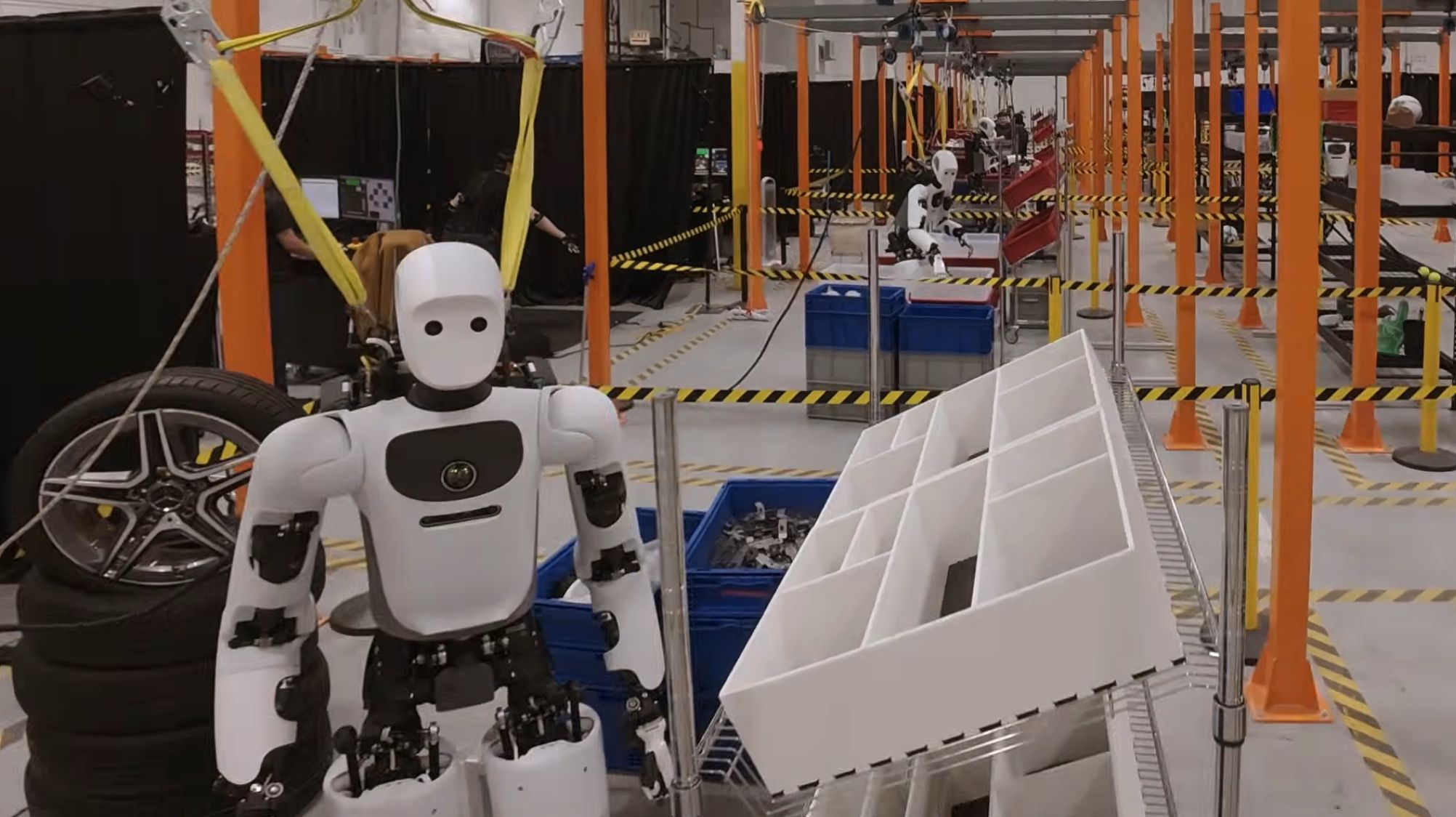
Roboticists building assembly-line robots or home-service robots can now deploy systems that reason about tasks more like humans do: tracking what's happening, understanding object roles (is this the part being gripped?), and planning next steps with built-in uncertainty. This reduces the trial-and-error needed to train robots for new manipulation tasks in warehouses or factories.
No comments yet. Be the first to share your thoughts!
Log in to join the discussion

Get curated AI news from 200+ sources delivered daily to your inbox. Free to use.
Get Started FreeFree · takes 30 seconds · unsubscribe anytime
1 minute a day. The AI essentials.
200+ sources · Email / LINE / Slack
