What happened
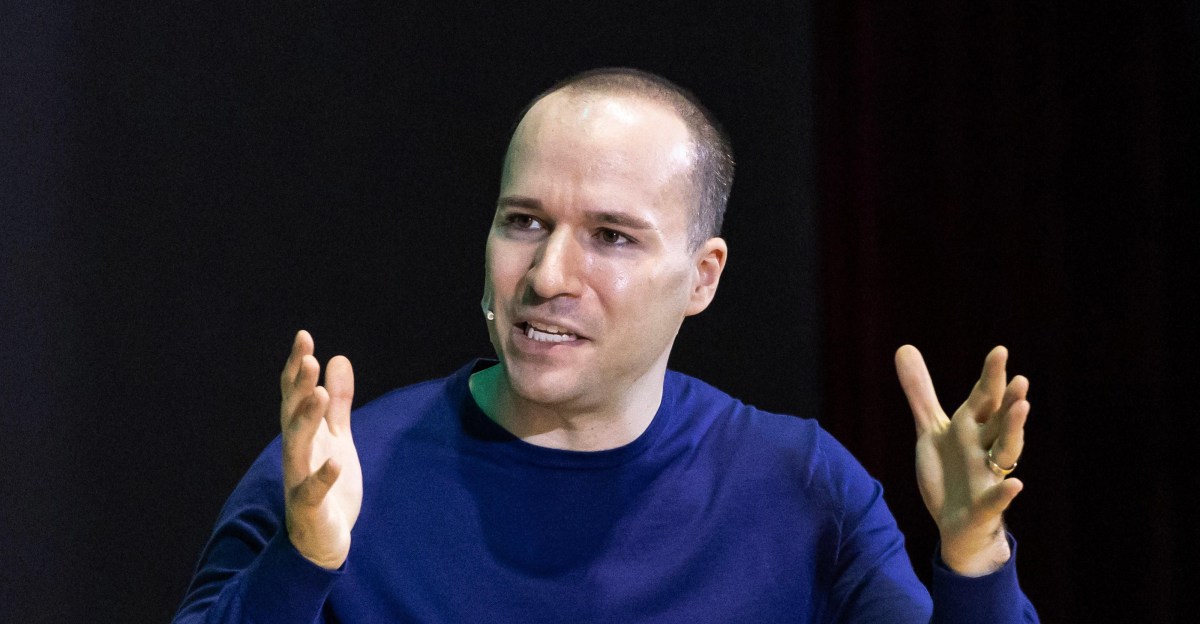
OpenAI president Greg Brockman told YouTube creator Joanna Stern in an interview that the company is developing a "family of devices" for interacting with its AI models, though he declined to confirm specific reports about a smart speaker or wearable and gave no release date beyond saying "you can expect them soon."
Why it matters
Brockman signaled OpenAI sees voice interaction as the future, saying he expects people to shift to talking with computers rather than typing for the "vast majority of what we do." This suggests the company is betting hardware—not just software—is central to how people will use AI going forward.
What to watch
Brockman also addressed privacy concerns about ChatGPT's "temporary chat" mode, stating OpenAI is working on technological solutions to offer "verifiable, auditable guarantees" that only the AI can review users' private data.
Summaries like this, in your inbox every morning.
OpenAI's move into hardware marks a strategic expansion beyond its core software offerings. The company's devices are being developed with former Apple designer Jony Ive, signaling a focus on design quality and user experience. When asked about potential conflicts with Apple's lawsuit against OpenAI, Brockman deflected by emphasizing the company's independent innovation track record: "We have no interest in other companies' trade secrets. We are plenty innovative." This positioning suggests OpenAI sees its hardware initiatives as distinct from any competitive pressures with Apple, and rooted instead in its own research direction.
Brockman's comments on voice interaction reflect a broader industry shift toward conversational interfaces as the dominant user paradigm. His acknowledgment of real-world challenges—such as open-office environments where multiple people speaking to devices simultaneously would create noise—hints at the practical obstacles OpenAI anticipates. His reference to "beak" masks (soundproof voice shields that have emerged in the market) as an example of product-market fit, even if not ideal, underscores that the market is already experimenting with solutions to this friction. OpenAI appears to view voice not as a near-term novelty but as the foundation of future computing interaction.
Pick your industry and the AI tools you use, and get news related to your work every day.
Free · 30 seconds with Google · unsubscribe anytimeWhat is AIToday? →
Ask AI anything about this article. The AI reads this article, earlier AIToday articles, and Wikipedia, and cites its sources. Q&As are published on this page for other readers too.
The Motley Fool argues Amazon is the AI company of the two, since AWS was just 21% of first-half 2026 revenue…

Hewlett Packard Enterprise stock is down 5% at $55.87

Vercel data published Thursday shows TypeSafe AI's Jev, a lightweight decision model for choosing among predet…
Chunghwa Telecom president Rong-shy Lin said the shift from conversational AI to autonomous AI agents is resha…
CoreWeave fell 5% in premarket trading Friday and was on track to finish the week down 15%, after rebounding f…
Apple and Meta said they would jointly release a new open-weight AI model designed to run on high-end Macs, ai…